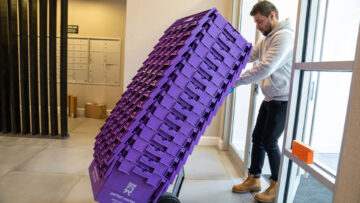

Did you know the average one-bedroom apartment move weighs between 2,000 and 3,000 pounds? That includes furniture, kitchenware, clothing, and boxes. Underestimating weight can lead to hiring movers with too small a truck or too few crew members, slowing everything down. Professional movers use weight estimates to plan the right team, truck, and equipment, ensuring everything is transported safely and efficiently.
Don’t underestimate your move. Get a free quote from Perfect Moving & Storage and let us plan every detail with precision.
How Much Does the Average One-Bedroom Move Weigh in NYC?
When planning a move, most people focus on boxes, packing supplies, or scheduling. What often gets overlooked is the weight of the move. This single factor plays a huge role in determining the size of the truck, the number of movers, and the overall cost.
Here’s a surprising fact: the average one-bedroom apartment move weighs between 2,000 and 3,000 pounds. That includes furniture, kitchenware, clothing, books, electronics, and all the other essentials that fill a typical New York City apartment.
Underestimating this weight can cause big problems. Too small a truck, too few movers, or not enough equipment can slow down the entire process. Professional movers use weight estimates to plan everything in advance, ensuring that your move is perfectly organized from start to finish.
What Contributes to 2,000–3,000 Pounds of Belongings?
It may sound surprising that a one-bedroom apartment adds up to over a ton, but the numbers add up quickly.
Furniture
- A sofa can weigh 200–300 pounds.
- A queen-size bed with frame and mattress averages 150–200 pounds.
- Dining tables and chairs combined can add another 200 pounds or more.
Kitchenware
- Pots, pans, dishes, and appliances often total 200–300 pounds.
- A microwave alone can weigh up to 50 pounds.
Clothing and Linens
- Boxes of clothes, shoes, and bedding can easily add 150–200 pounds.
Books and Media
- Books are deceptively heavy. A small box can weigh 40–50 pounds, and a few shelves’ worth quickly adds up to 200 pounds or more.
Miscellaneous Boxes
- Seasonal items, electronics, and decorations fill in the rest, often totaling hundreds of pounds.
Add it all together, and a modest one-bedroom apartment easily falls into the 2,000–3,000-pound range.
Why Weight Matters in Moving
The total weight of your belongings affects several key aspects of the move:
- Truck size – Movers need to send the right vehicle. Too small a truck means multiple trips or delays.
- Crew size – Heavier moves require more movers to handle items safely and efficiently.
- Equipment needed – Dollies, straps, and lift gates are chosen based on weight estimates.
- Cost – Many moving quotes factor in weight, so an accurate estimate ensures fair pricing.
By calculating weight in advance, professional movers can deliver a perfectly smooth relocation without surprises.
How Professionals Estimate Moving Weight
Movers use years of experience and industry guidelines to create accurate weight estimates. They often consider:
- Apartment size – A one-bedroom averages 2,000–3,000 pounds, while larger apartments weigh more.
- Furniture count – The number and type of large items like beds, sofas, and tables.
- Box count – Each full box averages 30–50 pounds, depending on contents.
- Specialty items – Pianos, safes, or large electronics can add hundreds of pounds.
With this information, movers plan the truck, crew, and equipment needed for a perfectly efficient move.
The Risks of Underestimating Weight
If you underestimate how much your belongings weigh, you may run into:
- Truck too small – Forcing multiple trips or wasted time.
- Too few movers – Slowing down the process and increasing physical strain.
- Safety risks – Heavy items without proper equipment can lead to damage or injury.
- Unexpected costs – Incorrect estimates can change your budget at the last minute.
Professional movers eliminate these risks by creating accurate estimates before moving day.
Tips to Help Movers Estimate More Accurately
You can help ensure your estimate matches reality by:
- Decluttering before the estimate – Don’t pay to move what you no longer need.
- Being specific – Tell movers about all large or heavy items.
- Counting boxes carefully – Don’t underestimate how many bins or boxes you’ll have.
- Sharing special concerns – If you have delicate or oversized items, let the movers know in advance.
The more information you provide, the more precise the estimate will be.
Perfect Moving & Storage: Precision in Every Move
At Perfect Moving & Storage, we believe that planning is the key to a successful move. Our team uses accurate weight estimates to prepare the right truck, the right crew, and the right equipment for every job.
Here’s how we make the process perfectly efficient:
- Detailed estimates – We calculate the true weight of your move to avoid surprises.
- Custom planning – Every move is tailored based on your apartment size and belongings.
- Professional crews – Trained movers handle heavy items safely and quickly.
- Modern equipment – Trucks with lift gates, dollies, and padding protect your belongings.
- Full-service options – From packing to storage, we cover every detail.
No matter the weight of your belongings, our mission is to deliver a perfectly managed move from start to finish.
Final Thoughts
The average one-bedroom move may weigh 2,000–3,000 pounds, but underestimating that number can create unnecessary challenges. Professional movers use weight estimates to plan precisely, ensuring you have the right team, truck, and tools for a safe and efficient relocation.
Don’t underestimate your move. Get a free quote from Perfect Moving & Storage and let us plan every detail with precision.

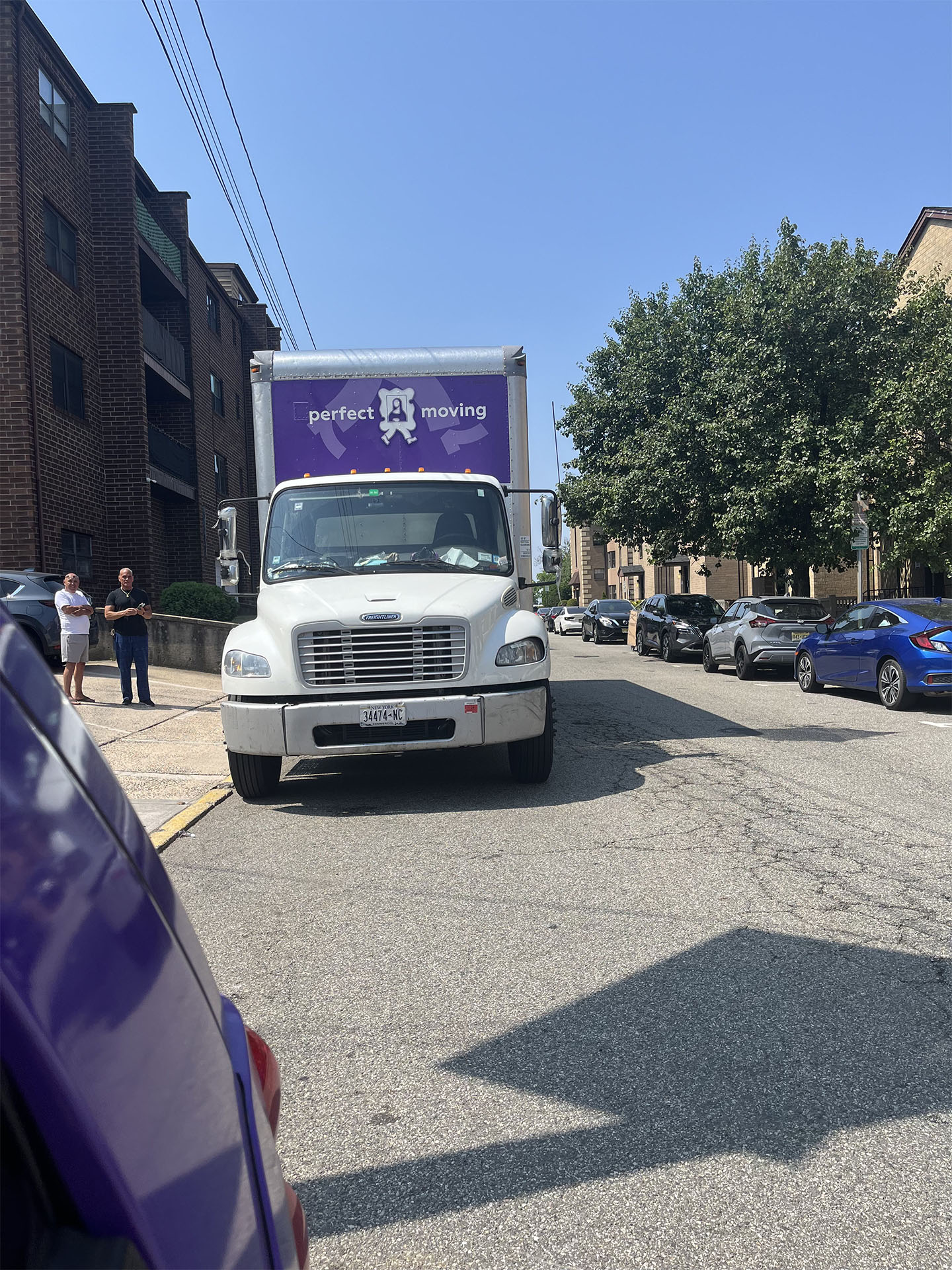

The average one-bedroom apartment move weighs between 2,000 and 3,000 pounds. This includes furniture, kitchenware, clothing, books, and miscellaneous household items. Although that might sound like a lot, the weight adds up quickly once you include a sofa, bed, dining set, and a few dozen boxes.
Professional movers use these averages to plan the right truck, number of movers, and equipment for each job. This careful preparation ensures that your move is efficient, safe, and free from unnecessary delays.
Weight plays a major role in nearly every aspect of the moving process. It determines the truck size, the number of movers needed, and the type of equipment required. For example, heavier moves may need a lift gate, additional straps, or specialized dollies.
Accurate weight estimates also help ensure fair pricing. When movers know the true scope of your move, they can provide transparent quotes and avoid last-minute changes that could affect your budget or timeline.
Furniture and books are often the heaviest contributors. A sofa alone can weigh up to 300 pounds, and a queen-size bed with a frame can reach 200 pounds. Books, meanwhile, are deceptively heavy — a single small box can weigh 40 to 50 pounds.
Kitchen items, clothing, and electronics also add considerable weight. Even seemingly light items, such as bedding or décor, can accumulate hundreds of pounds when packed into boxes. These combined categories easily bring the total weight of a one-bedroom move into the 2,000–3,000-pound range.
Underestimating the weight of your belongings can cause major setbacks. If the truck is too small, movers might have to make multiple trips or delay the schedule. Too few movers can also slow down the process and increase the risk of injury or damage to furniture.
Unexpected weight can also affect your budget if additional resources are needed. By working with professionals who accurately calculate the total weight, you avoid costly surprises and ensure your move goes smoothly from start to finish.
Experienced movers rely on a combination of industry standards and careful evaluation. They assess apartment size, number of boxes, and large items such as beds, sofas, and appliances. Specialty items like pianos or safes are also factored in separately.
This method allows movers to provide detailed estimates that match your specific needs. With accurate data, they can plan the most efficient truck loading strategy, select the right team size, and make sure all equipment is ready for the job.
The best way to ensure your movers have an accurate estimate is to be transparent and organized. Declutter before your move so you only pay to transport what you truly need. Be specific about large or heavy items, and make an accurate count of your boxes and bins.
If you have delicate or oversized belongings, mention them early. The more details you provide, the better your movers can plan — saving you time, stress, and potential costs on moving day.
Perfect Moving & Storage uses precision planning to ensure every move is handled efficiently. Their experts calculate the total weight of your belongings to assign the right crew, truck, and tools. This preparation helps prevent delays and protects your items throughout the move.
The company also offers full-service options, including packing, storage, and climate-controlled solutions. With professional crews and modern equipment, Perfect Moving & Storage ensures that your move — regardless of its weight — is smooth, safe, and perfectly organized.