How to Move a Piano Safely in a Walk-Up Apartment
Moving a piano is already a complex process, but moving one in a New York City walk-up takes the challenge to an entirely different level. Tight corners, steep stairs, low ceilings, and significant weight all combine to create one of the most demanding moves imaginable.
Whether you own an upright or a grand piano, moving it safely in a walk-up requires far more than strength. It requires precision, teamwork, planning, and specialized tools. In this detailed guide, you’ll learn how professionals handle piano moving in NYC walk-ups, why it’s so difficult, and what you can do to help ensure your move is flawless from start to finish.
Why Walk-Up Piano Moves Are So Challenging
Walk-ups are some of the oldest and most character-filled buildings in New York, but they’re also the least forgiving when it comes to moving large, delicate objects. Unlike modern apartments with freight elevators or loading docks, most walk-ups were constructed before elevators became standard, leaving narrow staircases and tight hallways as the only possible route for entry or exit.
The Main Difficulties
- Narrow spaces: Many staircases are less than three feet wide, leaving almost no room for maneuvering.
- Sharp turns and low ceilings: Movers must tilt and pivot carefully to avoid walls, ceilings, and railings.
- Multiple flights of stairs: Carrying a 400- to 1,000-pound piano up several floors increases fatigue and risk.
- Fragile interiors: Stair rails, plaster walls, and flooring can be damaged if the piano brushes against them.
- No elevators or lifts: Every inch of the move depends entirely on human strength and coordination.
Each of these challenges compounds the others, which is why only trained movers should attempt this type of job.
How Professionals Move Pianos in Walk-Up Apartments
Before any lifting happens, professional movers plan each move with extreme care. They evaluate the environment, measure every tight area, and determine the safest, most efficient strategy for navigating stairs and landings. Below are the core steps most professionals follow during a walk-up piano move.
Detailed Site Assessment
Before anything is touched, movers perform a thorough inspection of the building. They measure stair width, ceiling height, turn angles, and landing size. They check for loose steps, fragile handrails, low lighting, and any structural concerns.
This assessment helps determine whether the piano can be moved entirely by hand or if a hoist, crane, or alternative method must be used for safety and efficiency.
Protection and Setup
Before the move begins, professionals protect the building and create a safe pathway. Thick blankets, foam guards, and rubber mats are placed along the stairway and hallways to prevent scratches and scuffs. This not only shields the building but also improves traction and footing for movers.
Proper setup dramatically reduces risk to both the property and the piano.
Equipment Preparation
Each piano is unique, so professionals choose equipment that matches the piano’s weight, size, and condition.
Common tools include:
- Piano dollies for flat surfaces
- Skid boards to stabilize the piano on stairs
- Straps and harnesses that evenly distribute weight
- Corner guards to protect both piano and walls
- Ramps and planks for awkward transitions
With the right tools, movers control every inch of the piano’s movement, reducing strain and preventing sudden shifts in weight.
Coordinated Lifting
On stairs, lifting a piano requires precise communication. One mover leads from above, directing the movement, while others lift from below. Every step is controlled, slow, and intentional. Constant verbal cues ensure the team moves in complete synchronization.
This is a choreographed routine, not a brute-force effort.
Strategic Resting Points
For multi-floor walk-ups, movers use landings as rest points. These breaks reduce fatigue, allow grip adjustments, and help guide the piano safely around corners.
Professional piano movers treat this as a carefully timed operation, designed to maximize safety at all times.
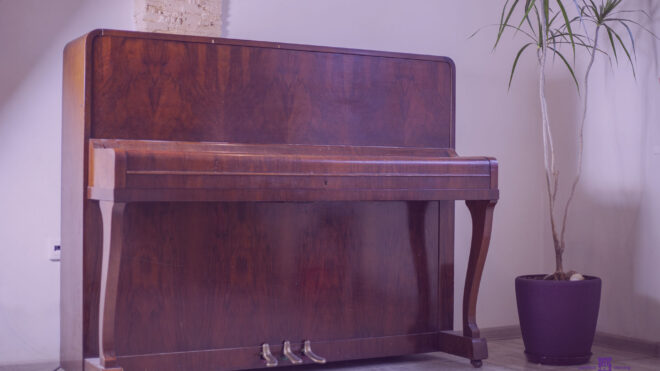
Moving Upright Pianos in Walk-Ups
Upright pianos are more compact than grands but still present significant challenges. Their tall vertical construction makes them top-heavy, and even a slight imbalance can cause tipping.
The Process for Uprights
- Preparation: The keyboard lid is locked, pedals secured, and decorative items removed.
- Wrapping: Movers use thick blankets and shrink wrap to protect surfaces.
- Positioning: The piano is gently tilted onto a dolly or skid, depending on available space.
- Stair Navigation: Dollies are typically removed before stairs; movers use straps to control each step.
- Loading: Once outside, the piano is guided into the truck using ramps or a liftgate and secured with straps.
Safety Focus
The biggest challenge with uprights is preventing tipping or sliding during stair movement. Movers adjust angles as needed and pause at each landing to avoid fatigue.
Teams like Perfect Moving & Storage rely on training, balance awareness, and proper weight distribution to keep the piano stable.
Pro Tips for Upright Owners
- Measure staircases ahead of time and share details with movers.
- Remove artwork, railings, or hanging lights along the stair path if possible.
- Do not substitute household blankets—professional padding is engineered for impact protection.
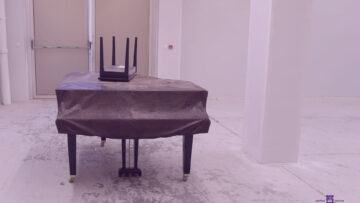
Moving Grand Pianos in Walk-Ups
Grand pianos are larger, heavier, and significantly more delicate to move. Their long horizontal bodies and fragile legs make it impossible to carry them intact through tight staircases.
How Professionals Handle Grand Pianos
- Disassembly: Movers remove the legs, pedals, and lyre assembly. Each piece is wrapped and labeled.
- Wrapping the Body: The main body is padded thoroughly, including lid, edges, and underside.
- Mounting on a Piano Skid: The piano is tilted onto a padded skid board and tightly strapped.
- Stair Carrying: Multiple movers coordinate each lift and step, with spotters above and below.
- Optional Hoisting: If stairs are too narrow, movers may use cranes or window hoists to lift the piano externally.
Why Grand Piano Moves Require More Expertise
Most of a grand piano’s weight sits on one side, making it extremely sensitive to improper angling. Mishandling can bend the frame or disrupt internal components. This is why at least four trained movers are required for a safe grand piano walk-up move.
Pro Tips for Grand Owners
- Ensure window access is available if hoisting is required.
- Avoid scheduling the move during rain or icy conditions.
- Allow professionals to handle full reassembly for best stability and sound quality.
Safety Measures Movers Follow on Stairs
Piano moving on stairs is both physically demanding and potentially dangerous. Professional teams follow strict protocols designed to prevent injuries and protect property.
Common Safety Practices
- Wearing gloves and footwear with non-slip grip
- Securing all straps and harnesses before lifting
- Communicating every movement aloud
- Taking rest breaks during long stair climbs
- Inspecting each surface before stepping or lifting
- Maintaining balanced weight distribution throughout
These techniques require skill and experience—far beyond what a DIY crew can safely accomplish.
Why Walk-Up Piano Moves Should Never Be DIY
It’s easy to underestimate the risks until a piano starts sliding or tipping on a staircase. Even a short flight of stairs can lead to severe damage or injury.
The Risks of DIY Piano Moving
- Injury: Back strain, crushed fingers, and muscle tears
- Property damage: Dented floors, cracked plaster, broken rails
- Instrument damage: Soundboard cracks, string shifts, finish scratches
- No insurance: DIY moves are not protected, leaving owners fully liable
Hiring professional movers may cost more upfront, but the long-term protection, safety, and peace of mind are priceless.
Preparing for a Walk-Up Piano Move
Even when professionals handle the heavy lifting, your preparation greatly impacts the efficiency and safety of the move.
Preparation Checklist
- Remove clutter and furniture near the piano’s path
- Clear staircases and hallways completely
- Cover banisters and walls with soft padding
- Reserve your building’s moving hours with management
- Notify neighbors if a crane or hoist will be used
- Confirm truck parking or loading zone access
Sharing photos or measurements with your moving team ahead of time helps them visualize the layout and bring the proper equipment.
After the Move: Letting Your Piano Settle
When the piano reaches its new home, it needs time to adjust. Temperature and humidity shifts can temporarily affect its tone, tuning stability, and resonance.
Post-Move Care Tips
- Allow the piano to rest for 48 hours before tuning
- Keep humidity around 40–50 percent
- Keep it away from heat sources and direct sunlight
- Schedule a professional tuning about one week after the move
A short acclimation period ensures your instrument adjusts naturally and stays in peak condition.
Why Experience Matters More Than Anything
Walk-up piano moves demand experience, precision, and calm coordination. It’s not about force—it’s about technique, timing, balance, and knowledge of piano construction.
Perfect Moving & Storage excels in these complex moves. Their team is trained specifically for piano transport in NYC’s toughest buildings—from narrow staircases to fifth-floor walk-ups. Every move is fully insured, meticulously planned, and performed with specialized piano-moving equipment only.
With a perfect 5.0-star rating and thousands of happy clients, they are NYC’s most trusted name in piano moving. Their mission is simple: treat every piano like a priceless instrument and every client like family.
Ready to Move Your Piano Safely?
Moving a piano in a walk-up apartment doesn’t have to be stressful or risky. With the right professionals, every step is managed carefully, every challenge anticipated, and every detail handled with precision.
If you’re planning a piano move in NYC, contact Perfect Moving & Storage today for a detailed quote and expert consultation. From upright to grand, their team provides the safest, most reliable piano moving service in the city.
Your piano deserves expertise, protection, and care that live up to its name—Perfect.