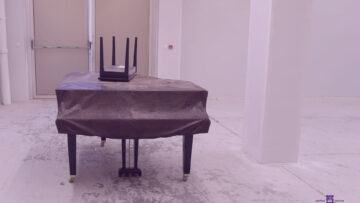

What Happens After the Move: Piano Tuning and Care
Your piano has finally arrived safely in its new home, carefully transported, unwrapped, and placed exactly where you want it. It looks flawless — the polished finish gleams, the keys are spotless, and the legs stand perfectly level. But when you press a few notes, something sounds off. The pitch isn’t quite right. The harmonies don’t blend as smoothly as before.
That’s completely normal.
Even the most professional, careful piano move affects how your instrument sounds. The process of moving a piano isn’t just a relocation — it’s a complete environmental transition. And once it’s complete, your piano needs time, attention, and professional tuning to sound exactly as it did before.
In this guide, you’ll learn why every piano goes out of tune after moving, when to tune it, what happens during tuning, and how to care for your instrument in NYC’s unique climate so it stays beautiful, stable, and ready to play.
Why Pianos Go Out of Tune After Moving
A piano is a living, breathing instrument made primarily of wood and metal — two materials that constantly respond to their environment. Each piano contains over 200 strings held under 18 to 20 tons of tension, all anchored into a wooden soundboard and metal plate. Any change in temperature, humidity, or vibration alters the delicate balance that keeps it in tune.
Temperature and Humidity Fluctuations
Wood naturally expands and contracts as humidity changes. When humidity rises, the soundboard absorbs moisture and swells, increasing tension on the strings and raising the pitch. When humidity drops, the soundboard contracts, loosening the tension and lowering the pitch.
In New York City, where weather swings from humid summers to dry, heated winters, these fluctuations can happen quickly. Moving a piano from a climate-controlled truck to a street-level loading area and then into an air-conditioned or heated apartment is enough to trigger noticeable changes in pitch.
Even if the move is local, the difference between the old and new environments — sunlight, airflow, insulation, or proximity to exterior walls — can cause the instrument to “breathe” and shift. The strings respond to these tiny changes, and what you hear is the result: a piano that suddenly sounds slightly sharp, flat, or uneven.
Vibrations During Transit
Even with professional handling, transportation involves constant vibration and motion. Every bump, turn, stop, or elevator ride adds small shocks that travel through the piano’s frame.
The piano is designed to be incredibly strong, but not completely rigid. As the instrument vibrates, some tuning pins can shift by microscopic amounts. Those tiny movements are enough to alter the pitch of individual strings or entire sections.
Professional movers use padded skids, heavy blankets, and careful strapping to minimize these vibrations. But any time a piano is moved — even just across a room — it’s normal for the tuning to shift slightly.
Pinblock and String Adjustment
The pinblock is the thick wooden block that grips the tuning pins and holds the strings at tension. Because it’s made of layered hardwood, it also responds to humidity and temperature.
When the pinblock swells, it may tighten around the pins; when it dries out, it can release slightly. Both effects change the way the strings are held. As a result, your piano might sound “wobbly,” with some notes sharp, some flat, and others closer to pitch.
This is why a move might make the piano feel uneven across the keyboard. Nothing is “broken” — the relationship between the strings, pins, and wood just needs to be reset through tuning and, if needed, a second follow-up tuning once things fully stabilize.
Acoustic Environment Changes
Your piano doesn’t just interact with its internal components — it interacts with the room around it. Carpeting, curtains, hardwood floors, wall materials, and ceiling height all affect how the sound waves reflect and resonate.
A piano that sounded warm and full in one space might sound brighter, louder, or thinner in another. Sometimes what feels like a tuning problem is actually an acoustic change.
Professional movers like Perfect Moving & Storage can help position your piano so it sounds its best in the new room, but a tuner can also make minor voicing adjustments later to match the instrument to its environment.
Even when the move is handled with climate-controlled trucks, protective padding, and careful handling, a post-move tuning is always part of the process. It’s the final step that brings your piano fully “home.”
When and How to Tune a Piano After Moving
Tuning too early is one of the biggest mistakes piano owners make after a move. Your piano needs a short settling period before it can be accurately tuned.
Allow Acclimation
Give your piano 5 to 14 days to adjust to its new environment before tuning. During this time, the wood stabilizes, strings adjust to new tension levels, and the soundboard equalizes with the room’s humidity.
If the weather changed dramatically between the old and new locations — for example, moving from a humid summer to a dry, heated winter — lean closer to two weeks. This gives your piano time to experience those conditions and “find its new normal.”
During acclimation, aim to:
- Keep temperature between 68°F and 72°F.
- Maintain humidity between 40% and 50%.
- Avoid direct sunlight, vents, or radiators.
- Keep windows closed to prevent sudden humidity spikes.
A small digital hygrometer is a smart, inexpensive investment. It lets you monitor humidity precisely, which is especially helpful in New York’s variable climate and in older buildings where insulation may be inconsistent.
Schedule Professional Tuning
Once the piano has settled, book a professional Registered Piano Technician (RPT) through the Piano Technicians Guild or a trusted local expert. A qualified technician combines technical skill, specialized tools, and trained ears to restore your piano’s true voice.
During a typical tuning session, the technician will:
- Perform a pitch raise (if needed): If the piano has drifted significantly from standard pitch (A440), they’ll bring all strings into the correct range.
- Fine tune each string: They’ll adjust individual strings so chords and octaves sound clean and stable.
- Check voicing: If certain notes sound too bright, harsh, or dull, they may adjust hammer felt to even out tone.
- Inspect the instrument: They’ll look for pin stability, soundboard condition, bridge integrity, and any visible issues with strings, keys, or action parts.
In NYC, a tuning typically takes 1.5 to 2 hours and often costs between $150 and $250, depending on piano type, condition, and how far out of tune it has drifted. If your piano was already overdue for tuning before the move, your technician may recommend a second tuning within one to two months to “lock in” stability.
Document Piano Condition
The first tuning after a move is an excellent time to formally check the piano’s condition. Ask your technician to note any findings and keep a simple record for your own files.
They can identify issues such as:
- Loose or marginal tuning pins
- Early signs of soundboard or bridge cracks
- Uneven hammer wear or felt compression
- Pedal misalignment or sluggish response
- String rust or corrosion
Catching these problems early makes them easier — and less expensive — to correct. It also gives you a clear snapshot of your piano’s health in its new environment.
Understanding the Art and Science of Piano Tuning
Tuning a piano is both technical and artistic. It’s not just a matter of “making notes higher or lower” — it’s a complex process of balancing physics, harmony, and the natural behavior of wood and metal.
Harmonic Balance
When a technician tunes, they listen for “beats,” the subtle pulsations that occur when two strings are nearly, but not perfectly, in tune with each other. By adjusting tension until those beats slow and disappear, the tuner creates smooth, stable intervals.
This process repeats across the entire instrument. Each note influences the next, and the technician must constantly check octaves, fifths, and thirds to ensure the entire system is in harmony, not just individual notes.
Equal Temperament
Modern pianos are tuned to a system called equal temperament, which divides the octave into 12 equal steps. This allows the piano to play in all keys without any one key sounding wildly out of tune.
Equal temperament is a compromise between mathematical perfection and musical practicality. A skilled technician knows how to distribute tiny tuning “imperfections” across the scale so that the piano sounds natural, flexible, and pleasing in every key.
The Role of the Soundboard
The soundboard is the heart of the piano’s voice. Made from spruce, a highly resonant wood, it amplifies vibrations from the strings and shapes the overall tone.
Humidity changes cause the soundboard to curve more (increasing crown) or flatten slightly. When the crown increases, string tension effectively rises and pitch tends to move up. When it relaxes, pitch moves down.
Technicians tune with an awareness of how the soundboard is behaving in that moment — and how it typically behaves in that climate and building type. This understanding helps them create tunings that last longer and stay more stable between visits.
Skill and Experience
Every piano has its own character, history, and quirks. A great technician recognizes patterns: how a certain brand reacts to dry heat, how old pinblocks behave, which sections drift most often, and what voicing adjustments will suit a player’s taste.
That combination of ear training, muscle memory, and experience in NYC’s specific climate is what turns a basic tuning into a transformed playing experience.
Post-Move Piano Care: Keeping It Tuned and Healthy
Tuning is the first step in post-move piano care, but long-term stability and performance depend on the habits you develop afterward.
Control the Environment
Humidity is the single biggest threat to your piano’s stability. Excess moisture or dryness causes wood to expand, contract, and eventually fatigue.
Consider:
- Using a room humidifier in winter and a dehumidifier or air conditioner in summer.
- Installing a dedicated piano humidity control system (such as a Piano Life Saver) if your space is difficult to regulate.
Ideal conditions are:
- Temperature: 68–72°F
- Humidity: 42–48%
Avoid placing your piano:
- Near windows or exterior doors
- Next to radiators, heaters, or fireplaces
- Directly under HVAC vents or ceiling fans
The more consistent the environment, the more consistent the tuning and tone.
Regular Cleaning
Dust and dirt can work their way into keys, action parts, and the finish. A simple cleaning routine helps your piano look and feel its best.
- Use a soft, dry microfiber cloth to wipe the keys and case gently.
- For stubborn marks, use a cloth lightly dampened with distilled water (never spray directly).
- Wipe keys front to back to avoid pushing dust between them.
- Only use piano-safe polish on high-gloss finishes.
- Avoid harsh chemicals and furniture polish.
Inspect and Regulate
Over time, action parts can compress, wear, or shift. Regulation restores even key movement and responsiveness.
Every few years, ask your technician to:
- Check key height and dip
- Adjust hammer travel and let-off
- Ensure pedals engage smoothly
Schedule Ongoing Tuning
After a move, most technicians recommend:
- Two tunings the first year
- Tuning every six months afterward
If your piano is in a room with wide humidity swings, quarterly tuning may be best. Regular tuning keeps tension consistent and prolongs stability.
Acoustic Optimization for NYC Apartments
Hard surfaces in NYC apartments — hardwood floors, plaster walls, minimal fabric — can make a piano sound overly bright or loud.
You can improve sound by:
- Adding a rug under or near the piano
- Hanging curtains or fabric wall art
- Positioning the piano so sound projects into the room, not directly into a bare wall
- Leaving a small gap behind an upright so sound can develop naturally
Common Owner Mistakes After a Piano Move
Even with professional moving and tuning, some everyday habits can unintentionally cause problems. Avoid:
- Placing plants, drinks, or candles on the piano
- Ignoring small tonal changes
- Skipping annual or semi-annual servicing
- Allowing direct heat to blow onto the piano
- Leaving windows open on very humid days
How Professional Moving Supports Post-Move Tuning
The quality of the move directly affects how much adjustment your piano will need afterward. A carefully controlled move means less stress on the instrument and a smoother tuning process.
Perfect Moving & Storage supports tuning stability by:
- Using climate-conscious trucks that minimize temperature and humidity changes
- Wrapping pianos in layers of padding to absorb shock and vibration
- Securing instruments with professional-grade straps
- Reassembling legs, pedals, and lyres with precise alignment
Long-Term Piano Maintenance in NYC’s Climate
New York’s seasonal extremes can challenge even the best-maintained pianos. Dry winter heat contracts wood; summer humidity expands it. Without consistent care, tuning will drift.
Seasonal Tips for NYC Owners
- In winter, use a room humidifier to counteract dry heat
- In summer, use a dehumidifier or air conditioner
- Schedule tunings in spring and fall
- Close windows during storms or high humidity
Partner With a Technician
Working with the same technician over time helps maintain tuning consistency. They learn how your piano reacts in your specific building and can make proactive adjustments.
Why Perfect Moving & Storage Remains NYC’s Piano Expert
Perfect Moving & Storage combines professional moving logistics with a deep respect for music. Their 5.0-star reputation and thousands of successful NYC piano moves show their commitment to precision, safety, and customer satisfaction.
They don’t just move pianos — they help preserve them. Their teams:
- Use specialized piano-moving equipment
- Coordinate with buildings and technicians
- Provide placement and post-move care guidance
- Treat every piano as an irreplaceable instrument
The Perfect Encore: Tuning, Care, and Confidence
A piano move doesn’t truly end when it’s delivered. It ends when the instrument sounds like itself again — clear, resonant, and perfectly in tune. Tuning restores its voice; ongoing care protects its future.
By trusting professionals like Perfect Moving & Storage, you’re not just relocating an object. You’re safeguarding a musical partner, a family heirloom, and a source of inspiration.
From the moment your piano is lifted to the moment the last chord rings out in its new home, every detail can be handled with precision, respect, and care.
Request a quote today and discover how effortless your piano’s post-move journey can be when guided by true professionals.
Your piano deserves nothing less than perfect handling, perfect care, and a perfect sound.
Yes. Post-move tuning must be done by a Registered Piano Technician (RPT) or qualified expert. They will:
- Perform a pitch raise if the piano has drifted significantly
- Fine-tune every string
- Check voicing (tone quality)
- Inspect internal components for issues like loose pins, soundboard shifts, or string wear
A standard tuning takes about 1.5–2 hours and typically costs $150–$250 in NYC.
Several factors affect tuning:
- Humidity changes — Wood swells or contracts, altering string tension
- Temperature shifts — Affect metal and wood differently
- Vibrations — Moving trucks, elevators, and carrying the piano can cause microscopic pin shifts
- New room acoustics — Different materials and layouts can change how sound is perceived
None of this indicates damage — it’s simply how pianos respond to their environment.
Keep the piano in a stable environment:
- Temperature: 68–72°F
- Humidity: 40–50%
- Avoid direct sunlight, radiators, vents, and exterior doors
Use a hygrometer to monitor humidity. NYC apartments can fluctuate greatly due to heating, AC, and older insulation.
A technician will:
- Adjust pitch levels (A440 standard)
- Fine-tune strings for clean intervals and octaves
- Evaluate the soundboard and bridges
- Inspect the pinblock and tuning pins
- Check pedal alignment
- Assess hammer wear and make minor voicing adjustments
This process blends physics, ear training, and detailed craftsmanship.
Consistency is key.
- Maintain stable humidity (42–48% preferred)
- Keep the piano away from heat sources and drafts
- Avoid placing it near windows or exterior walls
- Schedule tunings every 6 months (or every 3–4 months for heavy use)
- Consider a humidity control system if your building has seasonal extremes
- Gently dust with a soft microfiber cloth
- Clean keys with a lightly dampened cloth (front-to-back motion only)
- Avoid chemicals, sprays, or furniture polish
- Check pedals and key movement for smooth response
- Ask your technician about regulation if keys feel uneven
Keeping the piano clean prevents dust from entering the action mechanism.
Avoid:
- Leaving the piano near radiators or vents
- Placing drinks, plants, or décor on top
- Delaying tuning for too long
- Ignoring small tonal changes (often humidity-related)
- Storing the piano in basements or unregulated rooms
These mistakes can cause costly long-term damage.