Mistakes People Make Choosing Storage Units
Why Picking the Right Storage Matters in NYC
In New York City, renting a storage unit is practically a survival tactic. With compact apartments, frequent moves, seasonal gear, and limited closet space, most New Yorkers eventually turn to storage as an extension of their home. But choosing the wrong storage option can cost hundreds — even thousands — in damage, wasted time, and avoidable stress.
Common errors include underestimating the size you need, skipping climate control, relying on poor insurance, or choosing a facility based solely on price. Others assume access will be simple, only to discover long trips, limited hours, and hidden fees.
Storage should reduce stress, not create more. Below are the most common mistakes NYC renters make — and how to avoid them.
The Most Common Storage Mistakes in NYC
Before exploring each mistake, it’s important to know that most issues stem from one thing: lack of information. Storage seems simple, but NYC adds logistical challenges — from weather to access to building restrictions. Understanding these mistakes helps you choose smarter, avoid damage, and get the most value from storage.
Underestimating the Size You Need
One of the most frequent — and costly — mistakes is choosing a storage unit that’s too small. It’s easy to misjudge how much space furniture, boxes, and seasonal items actually require.
- A 5×5 unit holds only a few boxes or small pieces — roughly one closet.
- A 5×10 unit fits the belongings of a studio or small one-bedroom.
- A 10×10 unit typically handles a full one-bedroom’s contents.
- Larger sizes are required for families or multi-room apartments.
Most New Yorkers forget to factor in bulky items like mattresses, lamps, patio furniture, bicycles, or seasonal décor. Overstuffing a storage unit causes crushed boxes, damaged furniture, and a dangerous maze of items.
How to avoid it:
- Make a complete inventory list.
- Use online unit size calculators.
- When unsure, size up — it’s cheaper than renting a second unit.
- Ask full-service providers for a customized recommendation after a site visit.
Forgetting About Climate Control
Skipping climate control might save you money upfront, but in NYC’s extreme climate, it’s one of the quickest ways to ruin your belongings.
- Humid summers: 70% humidity encourages mold and mildew.
- Dry winters: Leather cracks, wood dries out, and plastics become brittle.
- Rapid shifts: Materials expand and contract daily, damaging furniture and electronics.
Without climate control, your items face mold, warping, rust, fading, and musty odors.
How to avoid it:
- Always choose climate-controlled storage for anything valuable.
- Ask about humidity levels as well as temperature.
- Treat long-term storage as non-negotiable for climate protection.
Ignoring Insurance Coverage
Many renters are shocked to discover their stored items aren’t automatically insured. Self-storage facilities often require renters to purchase separate coverage — yet these policies are usually limited.
- Low coverage limits (like $2,000 total).
- Exclusions for mold, pests, water leaks, or temperature damage.
- Difficult claims processes without proper documentation.
How to avoid it:
- Read insurance terms carefully.
- Confirm whether replacement value or depreciated value is covered.
- Photograph items before storage.
- Choose full-service providers that include insurance automatically.
Not Considering Access Needs
Self-storage assumes you won’t need your items often — but that’s rarely true in NYC. Many renters regularly rotate items seasonally: winter coats, summer gear, holiday decorations, or business supplies.
- Limited operating hours.
- Extra fees for 24/7 entry.
- Facilities often far from Manhattan, requiring car rentals or long trips.
How to avoid it:
- Think about how often you’ll need access.
- If you’ll retrieve items frequently, consider full-service storage with delivery.
- Look for providers offering digital inventory so you can request individual items anytime.
Overlooking Security Features
Not all storage facilities are equal when it comes to safety. Budget options often save money by cutting security features.
- 24/7 surveillance cameras.
- Individual access codes.
- On-site staff or monitoring.
- Fire detection and suppression systems.
How to avoid it:
- Ask detailed questions about security protocols.
- Understand who can enter the facility and how access is tracked.
- Choose full-service providers with stricter and more reliable security measures.
Forgetting the Cost of Time and Effort
Self-storage looks cheap — until you factor in the hours spent hauling items back and forth.
- Van rental/pickup/return: 2–4 hours.
- Driving through NYC traffic: 1–2 hours.
- Loading/unloading boxes: 2–3 hours.
Total time per visit: 6–8 hours — the equivalent of $240–$320 in lost time for the average NYC professional.
How to avoid it:
- Consider not just dollars but hours when choosing storage.
- Use full-service storage to eliminate physical labor and wasted weekends.
Not Planning for the Future
Most renters choose a storage unit based solely on their current needs — but storage needs evolve over time.
- Seasonal rotation adds more items.
- Families grow.
- Businesses accumulate inventory.
How to avoid it:
- Choose a slightly larger unit than you currently need.
- Select a provider that allows easy upgrades.
- Consider whether you’ll need periodic deliveries or rotations.
Storing Without Proper Preparation
Even in secure, climate-controlled units, improper packing leads to damage.
- Unwrapped furniture scratching or denting.
- Clothes stored in plastic bags trapping moisture.
- Glass stored flat cracking under pressure.
- Items stored dirty attracting odor and pests.
How to avoid it:
- Clean and fully dry items before storage.
- Use blankets, breathable covers, and durable boxes.
- Label boxes clearly for easy retrieval.
- Leave fragile items to professional packers.
Choosing Solely on Price
It’s tempting to pick the cheapest unit, especially in an expensive city — but the lowest price often hides the highest risks.
- Poor security.
- No climate control.
- Hidden fees (admin fees, lock purchases, access charges).
- Weak customer support.
How to avoid it:
- Compare based on value, not just cost.
- Prioritize features that protect your belongings long-term.
Ignoring Reviews and Reputation
With hundreds of storage options in NYC, quality varies dramatically, and reviews reveal patterns that marketing never will.
How to avoid it:
- Read reviews on Google, Yelp, and Consumer Affairs.
- Look for recurring complaints about pests, leaks, billing issues, or poor access.
- Prioritize companies with strong reputations and guarantees.
Real-Life Story: Two Renters, Two Outcomes
Case 1: A Midtown renter chose the cheapest storage unit available. Six months later, mold destroyed his winter wardrobe, and he spent $1,200 replacing everything.
Case 2: Another renter chose full-service climate-controlled storage. She paid slightly more but received pristine items back and avoided wasting weekends hauling boxes.
Full-Service Storage: The Mistake-Proof Solution
Nearly all storage mistakes result from one thing: doing everything yourself. When renters have to choose the size, transport items, pack everything, secure insurance, and maintain access — errors happen.
- Professional packing and pickup.
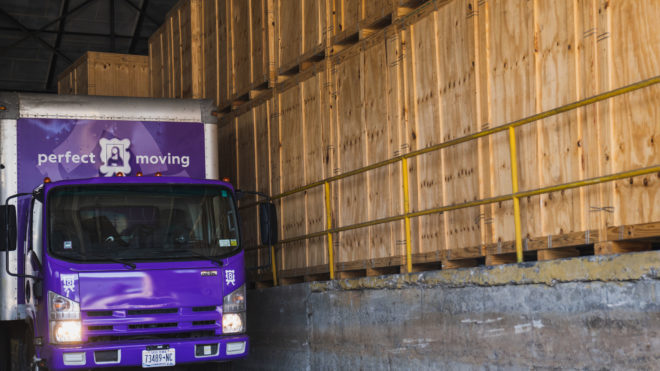
- Climate-controlled, secure storage.
- Built-in insurance.
- On-demand item delivery.
- Transparent pricing with no hidden fees.
It’s the most reliable way to store belongings safely and stress-free in NYC.
Choose Smarter, Store Smarter
Picking the wrong storage unit can lead to damage, frustration, and unnecessary expenses. Avoiding the most common mistakes is the first step toward smarter, safer storage.
With Perfect Moving & Storage, you never have to worry about choosing the wrong unit, dealing with climate issues, or navigating hidden fees. You get expert guidance, secure climate-controlled facilities, included insurance, pickup and delivery across NYC, and a 100% satisfaction guarantee.
Request your free quote today and experience smarter, safer storage in NYC.