
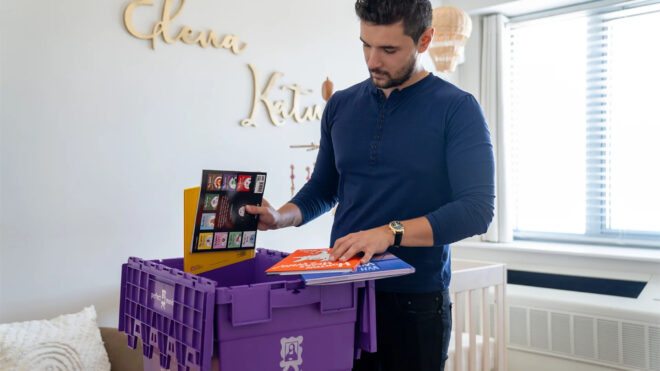
Packing Tips for Storing Dorm Room Belongings
When the semester ends, NYC students face one big challenge: how to pack and store everything without losing their sanity. Between exams, travel, and deadlines, packing can feel impossible. The secret is organization and preparation. With the right supplies, strategy, and support, you can pack efficiently and protect your belongings until next semester.
Whether you are heading home, studying abroad, or switching dorms, this complete guide to packing student storage walks you through every step of the process.
Start Early and Create a Packing Plan
The earlier you start, the easier everything becomes. Waiting until the night before your move-out will only add stress and mistakes.
How to Plan Your Packing
- Begin sorting two weeks before finals week.
- Separate items into keep, donate, and discard piles.
- Prioritize non-essential items first such as decorations and extra bedding.
- Pack small sections of your room each day to avoid burnout.
Why Early Planning Saves Money
Early planning allows you to take advantage of student promotions and book storage ahead of time. It also ensures you have enough supplies and can avoid last-minute rush fees or broken items.
Example:
A Columbia student who packed one section of her dorm every evening during finals avoided the chaos of move-out day and secured a discounted early booking rate for her storage.
Useful Tip:
Use a calendar or app to track your progress and schedule daily packing reminders.
Use High-Quality Packing Supplies
Your boxes and materials are your first line of defense. Investing in sturdy, professional-grade supplies prevents damage and helps you pack more efficiently.
Recommended Supplies
- Thick cardboard boxes or reusable plastic storage crates
- Strong packing tape and a dispenser
- Bubble wrap, foam, or packing paper
- Labels, markers, and color-coded stickers
- Zip-top bags for cables, screws, and accessories
Eco-Friendly Option
Perfect Moving & Storage provides reusable Perfect Crates, which are stronger than cardboard, stack easily, and eliminate waste.
Example:
A Fordham student used Perfect Crates for her summer storage and saved time since they required no tape or assembly.
Useful Tip:
Buy a few extra boxes. You will almost always need more space than expected once you begin packing.
Protect Fragile and Valuable Items
Electronics, glass, and artwork require extra care when being packed for storage.
How to Pack Fragile Items Safely
- Wrap each item individually with bubble wrap or soft fabric.
- Fill empty spaces inside boxes with towels, socks, or blankets.
- Avoid stacking heavy boxes on top of fragile ones.
- Clearly mark each box as “Fragile” on multiple sides.
Special Care for Electronics
- Use original packaging if available.
- Bundle chargers and cords with twist ties.
- Store devices in a dry, climate-controlled environment.
Example:
A Parsons student used foam sheets to protect her camera lenses and packed them in a separate padded box. When she returned months later, everything was in perfect condition.
Useful Tip:
Never pack fragile items near liquids or cleaning supplies that could spill.
Maximize Space When Packing Boxes
Packing efficiently saves time, money, and frustration. Well-packed boxes are easier to transport and take up less space in storage.
Space-Saving Techniques
- Roll clothing to save space and reduce wrinkles.
- Pack heavier items at the bottom and lighter ones on top.
- Fill gaps in boxes to prevent items from shifting.
- Avoid overfilling boxes to prevent breakage.
Stacking Strategy
- Use boxes of similar size for stability.
- Label both the top and sides for visibility.
- Place heavier boxes at the bottom of stacks.
Example:
An NYU student used vacuum-sealed bags for her bedding and coats, cutting down her packing space by more than half.
Useful Tip:
Keep one “Open First” box with essentials like sheets, towels, and chargers. You’ll thank yourself when you unpack.
Label and Inventory Every Box
Clear labeling prevents chaos later. It is one of the simplest ways to make unpacking easy and stress-free.
Labeling Tips
- Write your name, phone number, and box contents on every box.
- Use color-coded stickers for quick identification.
- Add arrows or “This Side Up” notes where needed.
- Number boxes and create a corresponding digital inventory.
Why Inventories Help
Taking photos or notes of each box’s contents helps track what you’ve packed and makes it easier to locate items when you need them.
Example:
A Pratt student created a spreadsheet listing each box’s contents and labeled them with color-coded stickers. When storage delivery arrived, she knew exactly where everything was.
Useful Tip:
Store your inventory in Google Drive or email it to yourself so you can access it anytime.
Care for Clothing and Fabrics
Clothes, linens, and soft furnishings need extra attention to prevent damage or odors.
How to Pack Clothes for Storage
- Wash and dry everything before packing.
- Use vacuum bags for bulky clothing like coats or bedding.
- Store delicate garments in breathable fabric bags.
- Hang formal wear in wardrobe boxes to avoid wrinkles.
Preventing Odors and Mildew
- Avoid plastic garbage bags that trap moisture.
- Use cedar blocks or fabric sachets to keep items smelling fresh.
- Store fabrics in a cool, dry environment.
Example:
A FIT student placed cedar balls and silica packets inside her clothing boxes. When she returned three months later, everything was fresh and ready to wear.
Useful Tip:
Label clothing boxes by season, so you can access only what you need upon return.
Prepare Furniture and Large Items Properly
Larger dorm items like chairs, shelves, or mini-fridges require special handling.
Packing Furniture and Appliances
- Disassemble furniture when possible to save space.
- Wrap each part in protective blankets or stretch wrap.
- Tape screws and hardware in labeled bags attached to each item.
- Clean and dry mini-fridges before storing, and keep doors slightly open.
Avoiding Damage
- Wrap corners and edges to prevent scratches.
- Store furniture vertically to save floor space.
- Avoid stacking heavy boxes directly on top of furniture.
Example:
A NYU student wrapped her mini-fridge in plastic wrap and taped a small bag of baking soda inside to keep it fresh.
Useful Tip:
If you do not have furniture blankets, use sheets or comforters as padding.
Keep Frequently Used Items Accessible
Not all stored items will stay in storage for months. Plan ahead for quick access to essentials.
What to Keep Handy
- Seasonal clothes for the next semester.
- School supplies or textbooks you’ll reuse.
- Basic toiletries and kitchenware.
- Personal items or sentimental keepsakes.
Organizing for Easy Retrieval
- Pack essentials in a single “Open First” box.
- Keep that box near the front or top of your storage stack.
- Label it clearly and in bright colors.
Example:
A Columbia student labeled a single container “Fall Semester” and requested it to be delivered separately before classes started.
Useful Tip:
If you use full-service storage, let your provider know which box you might need sooner.
Avoid the Most Common Packing Mistakes
Small mistakes can lead to big frustrations later. Learn from what other students have experienced.
Common Mistakes
- Overpacking boxes until they cannot close.
- Using weak or recycled boxes that collapse.
- Forgetting to label fragile items.
- Storing liquids or food that can leak or attract pests.
How to Prevent Them
- Use small boxes for heavy items like books.
- Never store perishable goods.
- Tape boxes securely across all seams.
- Double-check each box before sealing it.
Example:
A student once packed books and kitchenware together in one large box, which broke during transport. Separating by weight and category fixed the issue.
Useful Tip:
Keep boxes under 40 pounds to make lifting and stacking easier for both you and your movers.
Choose the Right Storage Partner
Even the best packing plan can fail if your storage company is unreliable. Choose one that specializes in student storage and provides clear, honest pricing.
Qualities of a Good Storage Provider
- Transparent, all-inclusive rates with no surprise fees.
- Climate-controlled, clean, and secure facilities.
- Professional movers who know campus buildings.
- Special student discounts or promotions.
Why Perfect Moving & Storage Is Trusted by Students
- Free pickup for up to three items.
- One free month of storage for three-month reservations.
- Long-term discounts for semester or yearly plans.
- Eco-friendly crates that replace disposable boxes.
- Reliable delivery service across all NYC boroughs.
Example:
A student who used Perfect Moving & Storage for both storage and moving had all boxes safely delivered to her new dorm exactly on time.
Useful Tip:
Book early and ask about upcoming student promotions. Combining deals with smart packing can save you hundreds.
Final Thoughts: Pack Smart, Store Smarter
Packing is more than just putting items in boxes. It is about protecting your belongings, reducing stress, and saving time later.
Key Takeaways
- Start packing early to stay organized.
- Use durable, high-quality boxes or reusable crates.
- Label and inventory every box for easy tracking.
- Protect fragile and valuable items carefully.
- Work with a reputable company like Perfect Moving & Storage for a seamless experience.
Ready to make your move-out easier and more efficient?
Contact Perfect Moving & Storage today to book your student storage service in NYC. Enjoy free pickup, secure facilities, and professional help for a smooth transition between semesters.
You should start packing at least one to two weeks before your scheduled pickup.
Starting early allows you to pack gradually instead of rushing during finals or the night before move-out. This reduces stress and lowers the risk of forgetting items or packing them improperly.
Early packing also gives you time to declutter and decide what truly needs to be stored. Storing fewer items can reduce your storage costs and make unpacking easier later.
Students who plan ahead are more likely to secure preferred pickup times and avoid last-minute fees.
Durable boxes or reusable plastic crates provide the best protection for stored items.
High-quality cardboard boxes are suitable for most belongings, but reusable crates offer added durability, stackability, and protection against moisture. Strong packing tape, labels, and padding materials are also essential.
Using proper supplies prevents boxes from collapsing during transport or long-term storage. It also helps movers stack items safely in the storage facility.
Eco-friendly crates are especially popular with students because they eliminate waste and save time during packing.
Fragile items should be wrapped individually and packed with extra cushioning.
Electronics, glassware, and artwork should be protected with bubble wrap, towels, or clothing to absorb impact. Empty spaces inside boxes should be filled to prevent shifting.
Fragile boxes should always be labeled clearly on multiple sides. This alerts movers to handle them with extra care and prevents heavy items from being stacked on top.
For especially valuable items, climate-controlled storage and insurance coverage provide additional peace of mind.
Efficient packing helps reduce the number of boxes and lowers storage costs.
Rolling clothing instead of folding saves space and reduces wrinkles. Bulky items like bedding can be compressed using vacuum bags to minimize volume.
Heavier items should go at the bottom of boxes, with lighter items placed on top. Avoid overpacking, as boxes that are too heavy can break or become unsafe to lift.
Well-packed boxes are easier to transport, stack, and retrieve later.
Clear labeling prevents confusion and makes unpacking faster.
Each box should include your name, contact information, and a brief description of contents. Color-coded labels help organize boxes by category or room.
Creating a simple digital inventory or taking photos of packed boxes allows you to track what you stored and locate items easily when you return.
Students who label thoroughly avoid mix-ups and save time during delivery and unpacking.

