
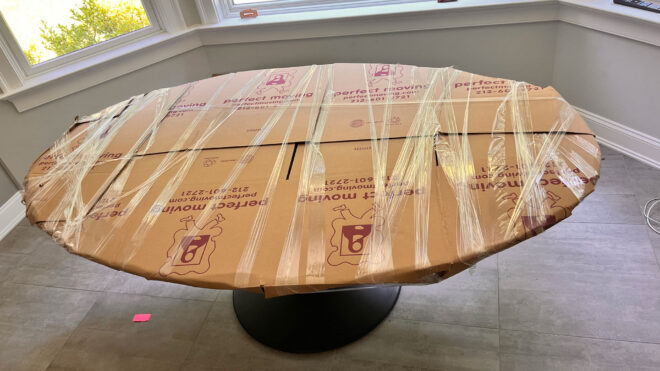
Protecting Furniture in Storage: Tips to Avoid Damage
Furniture Is an Investment Worth Protecting
Whether you spent months saving for the perfect sofa, inherited a priceless antique table, or furnished your office with high-quality pieces, your furniture represents both financial and emotional value. Yet most people underestimate how quickly furniture can deteriorate when stored improperly. In NYC — where storage is frequently used during moves, renovations, sublets, or life transitions — furniture faces uniquely harsh conditions. A couch stored in a non-climate-controlled unit through a single humid summer can develop mold. A leather recliner kept in a damp basement may crack irreparably. Even dust buildup can dull finishes or stain fabrics over time. Protecting your furniture requires a strategic approach: proper preparation, the right packing materials, and above all, a safe, climate-controlled facility. The following guide breaks down exactly how to keep your furniture in pristine condition while in storage.
Why Furniture Is at Risk in Storage
Furniture may seem sturdy, but its materials are surprisingly vulnerable to environmental stress. Each component — wood, fabric, leather, metal, or particle board — reacts differently to changes in temperature and humidity.
- Humidity and moisture: Wood swells, fabrics mildew, and metal rusts. NYC’s summer humidity regularly hits 65–70% — high enough to trigger mold within days.
- Extreme temperatures: Heat softens adhesives, while winter cold dries and cracks leather.
- Dust and dirt: Can scratch polished surfaces, stain fabrics, and clog crevices.
- Pests: Mice chew upholstery; insects nest in wood or cushions.
- Improper stacking: Heavy items crush or warp delicate frames.
- Time: Damage compounds the longer furniture sits unprotected.
Think of furniture as “living material.” It responds to its environment. Without proper protection, storage becomes an incubator for slow, expensive deterioration.
How to Prepare Furniture for Safe Storage
Before diving into the actual steps, it’s important to understand that preparation is everything. Proper cleaning, disassembly, wrapping, and placement can be the difference between furniture that lasts decades and furniture that returns with stains, cracks, or mold. The steps below outline a professional-grade process for maximum protection.
Clean and Prepare Before Storage
Never place furniture in storage without a proper cleaning routine. Dust, oils, and moisture left on furniture today can turn into stains, mold, or permanent damage in a few months.
- Wood furniture: Wipe with a damp cloth and apply a protective polish or wax to shield it from ambient moisture.
- Upholstery: Vacuum thoroughly — especially seams and under cushions. Steam-clean stains if necessary.
- Leather: Wipe clean and apply a conditioner to maintain flexibility and prevent cracking.
- Metal: Wash with mild soap and water; apply a thin coat of oil to protect against rust.
Extra tip: Photograph everything before storage for insurance documentation and to track item condition.
Disassemble Where Possible
Large furniture becomes safer and easier to store when broken down. Proper disassembly reduces stress on joints and prevents warping.
- Remove legs from tables, desks, and sofas.
- Take shelves out of bookcases.
- Remove headboards and side rails from beds.
- Pack screws, bolts, and small parts into labeled bags and tape them securely to the furniture.
- Bundle cushions separately to prevent compression marks.
Use High-Quality Packing Materials
Cheap or improvised packing materials offer little long-term protection. High-quality materials ensure your furniture survives months (or years) in storage.
- Moving blankets: Thick padding ideal for sofas, tables, and dressers.
- Furniture pads: Protect edges and corners from bumps and scrapes.
- Bubble wrap: Essential for glass, mirrors, and fragile surfaces — but always pair it with blankets to avoid condensation.
- Stretch wrap: Great for holding blankets in place, but never wrap directly onto wood or leather.
- Breathable covers: Cotton or fabric covers allow airflow and prevent trapped moisture.
Master Packing Techniques
Even with the right materials, technique matters. Poor wrapping can trap moisture or leave gaps that expose furniture to dust or pests.
- Wrap completely: Cover every surface with blankets or pads before plastic wrapping.
- Glass & mirrors: Wrap thoroughly, store vertically, and mark as fragile.
- Cushions & fabrics: Use breathable bags — plastic traps condensation.
- Lamps: Remove bulbs and shades; wrap the base separately.
- Bookshelves & cabinets: Store upright with shelves removed.
Pro tip: Wrap with slight looseness when using plastic; overly tight sealing can trap moisture and encourage mold.
Arrange Furniture Safely in Storage
How you position furniture inside the unit is just as important as how you pack it.
- Elevate items: Use pallets or risers to avoid the risk of water damage.
- Leave airflow: Keep some distance between items — crowded units promote mildew.
- Smart stacking: Place heavier, sturdier pieces at the bottom. Never stack heavy items on delicate upholstery.
- Create aisles: Maintain accessibility and avoid crushing items when retrieving anything.
Climate Control Is Essential in NYC
NYC’s temperature and humidity fluctuations are furniture’s worst enemy. Unsurprisingly, most damage happens in non-climate-controlled units.
- Wood: Expands in summer humidity, contracts in winter cold — causing cracks.
- Leather: Dries out in winter, splits in low humidity.
- Fabric: Mildews when moisture gets trapped.
- Metal: Rusts with high humidity and fluctuating conditions.
Climate-controlled storage maintains stable temperature (55–80°F) and humidity (around 50%) — the safest environment for long-term storage.
Protect Against Pests
Pests can cause devastating damage to stored furniture unless preventative steps are taken.
- Never store food, scented items, or loose grains near furniture.
- Use cedar blocks or mothballs inside drawers and cushions.
- Select facilities with strong pest-control procedures.
Full-service providers like Perfect Moving & Storage guarantee pest-free storage environments — a major advantage self-storage units often lack.
Real-Life Example: Couch Catastrophe vs. Proper Storage
One NYC renter placed a leather sectional in a low-cost storage unit without wrapping it. After six humid months, mold spots, scratches, and cracked leather made the couch nearly unusable. Cleaning cost $600 — and the damage was still visible. Another client chose Perfect Moving & Storage. Movers wrapped the same type of couch in blankets, added breathable covers, and stored it in climate control. After nearly a year, it was delivered back in flawless condition. The difference? Proper preparation and a proper facility.
Common Mistakes to Avoid
Furniture damage is almost always preventable. Avoid these common errors:
- Wrapping wood directly in plastic
- Using flimsy plastic bags instead of breathable covers
- Placing furniture directly on concrete floors
- Stacking heavy boxes on upholstered furniture
- Forgetting to insure valuable items
The Hidden Costs of Poor Storage
Cutting corners often results in bigger bills later. Common repair costs include:
- Sofa cleaning: $300–$500
- Leather couch repair: $800–$1,200
- Dining table refinishing: $1,000+
- Full replacements: often thousands
All of these costs can be avoided with climate control, proper wrapping, and professional packing — usually for just a few dollars more per month.
Extra Tips for Long-Term Furniture Storage
For storage lasting more than six months, enhance your care routine:
- Polish wood twice yearly
- Recondition leather to maintain softness
- Rotate cushions to prevent permanent indentations
- Inspect periodically — many full-service providers do this for you
Think of long-term storage as ongoing maintenance, not one-time prep.
Protect Your Furniture the Right Way
Your furniture deserves more than a dusty corner in an unregulated storage unit. With proper preparation and professional handling, you can preserve your investment for decades.
With Perfect Moving & Storage furniture storage in NYC, you get professional packing and pickup, climate-controlled, pest-free facilities, secure, organized storage, on-demand delivery, and a 100% satisfaction guarantee.
Don’t risk your sofa, dining table, or heirlooms. Request your free quote today and discover how easy it is to protect your furniture with full-service storage in NYC.