
Why You Shouldn’t Overpack Storage Boxes
Why Box Packing Matters More Than You Think
Packing a box seems deceptively simple: fill it, tape it, stack it, done. But in NYC — where movers navigate tight hallways, narrow staircases, cramped elevators, and sidewalks packed with pedestrians — the way you pack each box can determine whether your move runs efficiently or becomes a stressful, expensive ordeal.
It’s tempting to overpack. Fewer boxes appears to mean fewer trips, faster progress, and less clutter. But overstuffed boxes are one of the biggest causes of damaged belongings, moving delays, and even injuries. Heavy, bulging boxes become unstable and unsafe to carry; they collapse during stacking, tear open mid-move, and add unnecessary strain for anyone lifting them.
This guide explains why overpacking is a serious mistake, what risks it creates, and the smarter packing strategies that ensure safe, efficient moving and storage in NYC.
The Hidden Dangers of Overpacking Boxes
Overpacked boxes may look “efficient,” but they come with major downsides:
- Crushed belongings: Fragile items like dishes, glasses, electronics, and keepsakes are the first to suffer when stacked under excessive pressure.
- Box collapse: Cardboard has weight limits; push past those limits and seams split, bottoms fall through, and contents spill everywhere.
- Injury risk: A 70+ lb box isn’t just heavy — it’s dangerous. Overpacking is one of the leading causes of back injuries and dropping accidents during moves.
- Handling difficulties: Overweight boxes are awkward in walk-up buildings, tight hallways, or small elevators, slowing your entire move.
- Poor storage stacking: Bulging or deformed boxes don’t stack evenly, causing wasted space, unstable piles, and risk of toppling.
A box is meant to be manageable — not a weightlifting challenge.
How Heavy Is Too Heavy?
Weight is often overlooked when packing, but it’s the single most important factor for safety.
- Small boxes: Perfect for books, records, canned goods. Max 40 lbs.
- Medium boxes: Suitable for kitchenware, clothing, small decor. Max 50 lbs.
- Large boxes: For light, bulky items like pillows or linens. Max 30–40 lbs.
Rule of thumb: If you can’t lift it comfortably, it’s too heavy.
Professional movers swear by the rule: “Small box = heavy stuff. Large box = light stuff.” Follow this guideline and you’ll avoid 90% of overpacking problems.
The NYC Factor: Why Overpacking Is Especially Risky Here
Overpacking is problematic anywhere — but in NYC, it creates even bigger issues:
- Walk-ups: Movers often climb 4–6 flights with no elevator. Heavy boxes slow them down and increase injury risk.
- Tiny elevators: Oversized or bulging boxes may not fit, forcing movers to take the stairs.
- Strict parking limits: Movers often have limited time before risking parking tickets. Wrestling with heavy boxes wastes that time.
- Small, pricey storage units: Overstuffed boxes collapse or warp, wasting valuable square footage in high-cost storage spaces.
In NYC, thoughtful packing isn’t just smart — it’s essential for a safe, efficient move.
Smart Packing Strategies to Avoid Overstuffing
Packing efficiently means protecting your belongings and maximizing your space — not filling every inch of every box.
- Use the right box size: Small = heavy items, Medium = mixed items, Large = light, bulky items.
- Balance weight: Heavy items on the bottom, lighter on top, gaps filled with packing paper.
- Stick to safe limits: Keep boxes under 40–50 lbs and repack anything awkward to lift.
- Reinforce weak points: Use high-quality tape and double-tape the bottom for heavy loads.
- Label clearly: Include item types, weight levels, and mark fragile items visibly.
Packing Tips for Different Categories
Different items need different packing strategies:
- Books/documents: Always use small boxes; line the bottom with paper.
- Clothing: Use medium or wardrobe boxes; don’t stuff them too tightly.
- Electronics: Use original packaging when possible; otherwise, cushion generously.
- Kitchenware/dishes: Use dish packs with dividers; wrap each piece individually.
- Linens/pillows: Great for large boxes — but avoid overfilling to prevent bulging.
Real-Life NYC Example: Two Different Approaches
Renter A: Packed books, dishes, and electronics into one giant, overstuffed box. Movers struggled to carry it down four flights, the box tore open, and two electronics were damaged. Total loss: $600.
Renter B: Used several smaller boxes, kept each under 40 lbs, and labeled everything clearly. Movers stacked the boxes neatly, finished early, and nothing was damaged.
How Overpacking Wastes Storage Space
Ironically, overstuffing boxes often leads to less usable storage space:
- Deformed boxes create awkward gaps.
- Collapsed boxes create unstable piles.
- Overly heavy stacks make retrieving items unsafe.
- Bulging boxes prevent neat, space-saving stacking.
Consistent, evenly packed boxes make better use of every inch of your storage unit.
Movers’ Professional Approach
Professional movers pack and move thousands of boxes every year. Their proven rules:
- Never exceed 50 lbs per box.
- Use uniform box sizes for stable stacking.
- Protect fragile items using multiple cushioning layers.
- Keep boxes square, sealed, and balanced.
- Prioritize safety and organization over quantity.
Common Mistakes to Avoid
Avoid these common packing errors:
- Using oversized boxes for heavy items.
- Filling every inch simply because “there’s space.”
- Leaving empty spaces that allow shifting.
- Skipping labels.
- Stacking fragile items under heavy ones.
Why Full-Service Storage Solves the Problem
Full-service storage eliminates the risks of overpacking because professionals handle everything:
- Sturdy, high-quality boxes and packing materials.
- Balanced packing that prevents collapse.
- Organized labeling and digital inventory.
- Safe stacking in climate-controlled facilities.
Pack Smarter, Store Safer
Overpacking may feel efficient, but it leads to broken belongings, wasted space, and unsafe moves. Smart packing means choosing the right box sizes, keeping weights reasonable, and protecting your items properly.
With Perfect Moving & Storage packing and storage services in NYC, you get professional supplies and techniques, movers trained to balance and protect every box, climate-controlled secure storage, and organized systems that maximize safety and space — all backed by a 100% satisfaction guarantee.
Request your free quote today and discover the smarter, safer way to pack and store in NYC.
- Books/documents: Use small boxes only
- Clothing: Use medium or wardrobe boxes
- Electronics: Use original packaging or heavy cushioning
- Kitchenware/dishes: Wrap individually and use dividers
- Linens/pillows: Use large boxes but avoid bulging
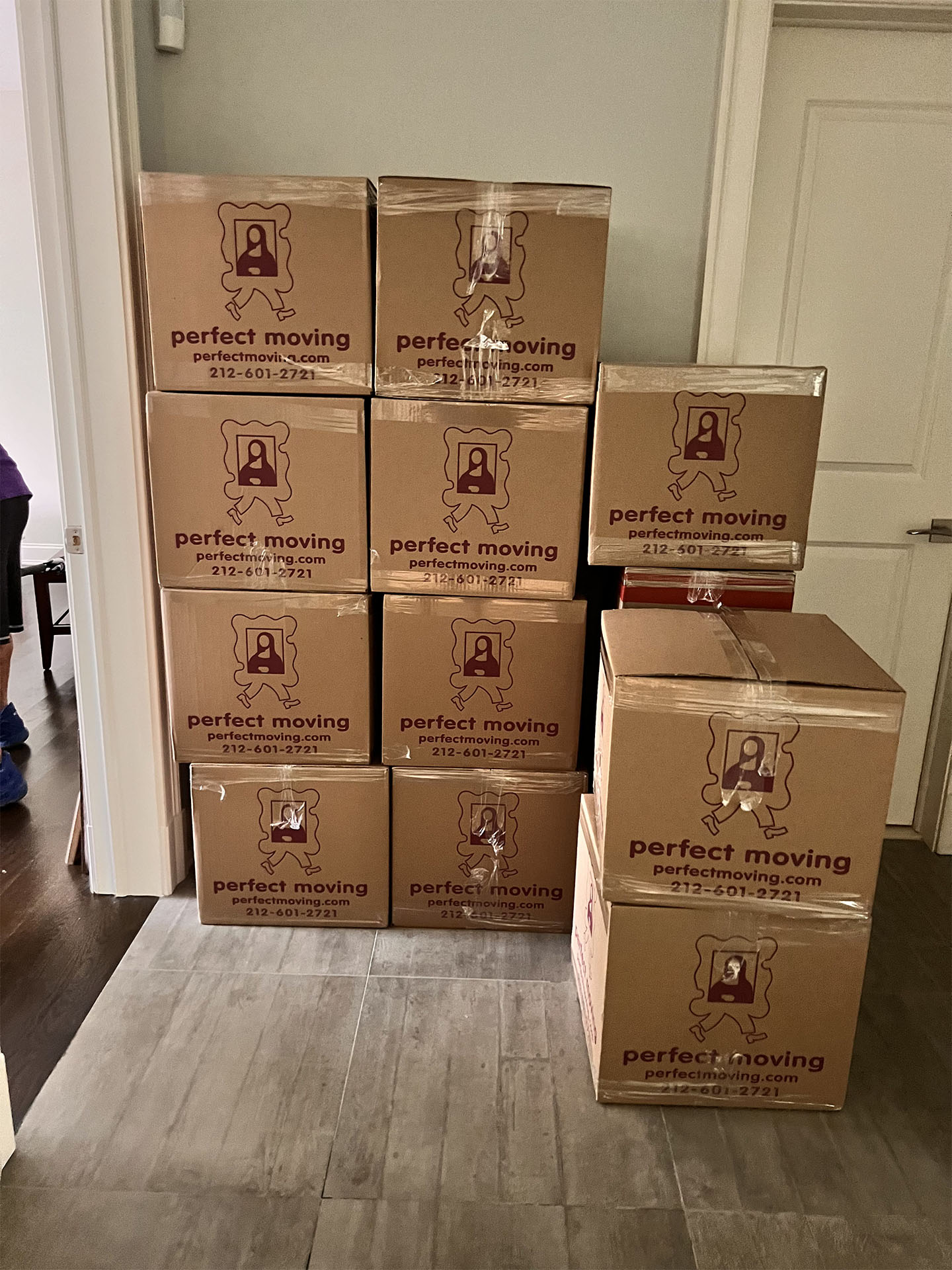
Packing each category properly helps prevent damage and makes stacking safer.