

Family Moves: Tips for Long-Distance Moves with Kids
Why Family Moves Require Special Planning
A long-distance move from New York City is always a challenge. But when you add children into the equation, the experience becomes a delicate balance between emotional needs and logistical demands. Parents must juggle packing, scheduling, communication, childcare, and financial planning — all while protecting their children’s sense of stability.
Why does this matter so much? Kids thrive on familiarity and routine. A long-distance relocation uproots everything they know: schools, friends, after-school activities, favorite playgrounds, and even the predictable sound of the subway outside. This can spark a wide range of responses — excitement, worry, resistance, or even temporary behavior regressions.
The good news: With thoughtful preparation and compassionate communication, families can transform a stressful move into a shared adventure. This guide offers practical strategies to help you prepare your children emotionally and logistically before, during, and after your move, ensuring the journey is smoother for the whole family.
The Emotional Impact of Moving on Children
Children experience change differently than adults. While parents may focus on packing lists and timelines, kids often zoom in on what they’re leaving behind — their bedroom, their school, their best friend, or their favorite corner of Central Park.
Common Reactions
- Toddlers: May cling more, cry easily, or regress in toilet training or sleep patterns.
- School-age children: Often feel sadness about leaving friends and nervousness about fitting in at a new school.
- Teens: More likely to express frustration, anger, or withdrawal due to strong peer ties.
Why It Matters
The American Academy of Pediatrics notes that moving is one of the most stressful events in a child’s life — sometimes more stressful than job changes or financial instability within the family. But children adjust faster when their parents acknowledge their emotions, encourage expression, and maintain consistent support.
Parent insight: Kids don’t need you to fix their sadness — they need you to validate it.
Preparing Kids Emotionally Before the Move
Children adapt best when they feel informed, involved, and empowered. Helping them understand the move in age-appropriate ways provides a sense of control.
Practical Strategies
Start Early Conversations
Talk about the move as soon as it’s confirmed. For younger kids, keep explanations simple and reassuring. Older children and teens appreciate details and visuals of the new home or city.
Highlight What’s Exciting
Show photos or videos of the new city. Explore attractions together online — museums, parks, stadiums, or local events.
Involve Them in the Process
- Let kids choose décor or furniture for their new room.
- Ask older children to help research neighborhoods or after-school programs.
Plan Farewell Rituals
- Host a small goodbye gathering.
- Visit favorite NYC spots such as Coney Island or Central Park.
- Create memory books or “NYC memory boxes.”
Example: One Manhattan family created memory boxes filled with MetroCards, postcards, and photos.
Preparing Logistically for Kids
Logistics can make or break your moving experience. A smooth, organized process reduces anxiety for children and adults alike.
Key Steps
- Research schools early — enrollment varies widely by city.
- Request academic, medical, and immunization records ahead of time.
- Schedule checkups and refill prescriptions before moving.
- Childproof your new home quickly using outlet covers and cabinet locks.
- Prepare travel plans with snacks, activities, and comfort items.
Tip: Create a family binder with school forms, medical documents, and moving contracts. Keep it with you.
Moving Day Survival with Kids
Moving day is hectic. For children, the unfamiliar activity, noise, and disruption can feel overwhelming.
Survival Strategies
- Arrange childcare during the busiest hours.
- Pack a kid survival kit with toys, snacks, books, and headphones.
- Set up a safe “kid zone” away from heavy lifting.
- Stick to familiar routines like nap times or snack breaks.
- Give older kids simple jobs to stay involved.
Real-life tip: One Brooklyn family let their kids decorate moving boxes to stay engaged and feel involved.
Special Strategies by Age Group
Toddlers & Preschoolers
- Read children’s books about moving.
- Expect regressions and offer reassurance.
- Keep comfort items nearby at all times.
School-Age Kids
- Use countdown calendars to help them visualize time.
- Let them help pack part of their room.
- Arrange goodbye playdates or memory projects.
Teenagers
- Give them space to process their emotions.
- Encourage them to stay connected with friends.
- Frame the move as an opportunity for new experiences.
Book ideas: “The Berenstain Bears’ Moving Day” and “Moving to a New School.”
Helping Kids Adjust After the Move
The first few weeks in a new home are crucial for helping children feel secure.
Ways to Support Adjustment
- Unpack kids’ rooms first.
- Reestablish family routines quickly.
- Explore the new city together.
- Encourage new friendships through clubs or sports.
- Be patient — every child adjusts at their own pace.
Tip: Create a family “adventure list” of places to explore in your new area.
Case Study: The Rivera Family’s Move to Texas
- Before: Visited NYC landmarks and created a memory album.
- During: Kids packed personal bags while movers handled the rest.
- After: Parents unpacked kids’ rooms first and enrolled them in activities.
Result: Their children adjusted within a month thanks to consistent routines and family involvement.
Long-Term Adjustment: What to Expect
- Toddlers: Adjust quickly once routines return.
- School-age kids: Need time to form new friendships.
- Teens: Often resist at first but settle as they build new social circles.
Pro tip: Check in regularly with your kids. Seek school counselor or therapist support if needed.
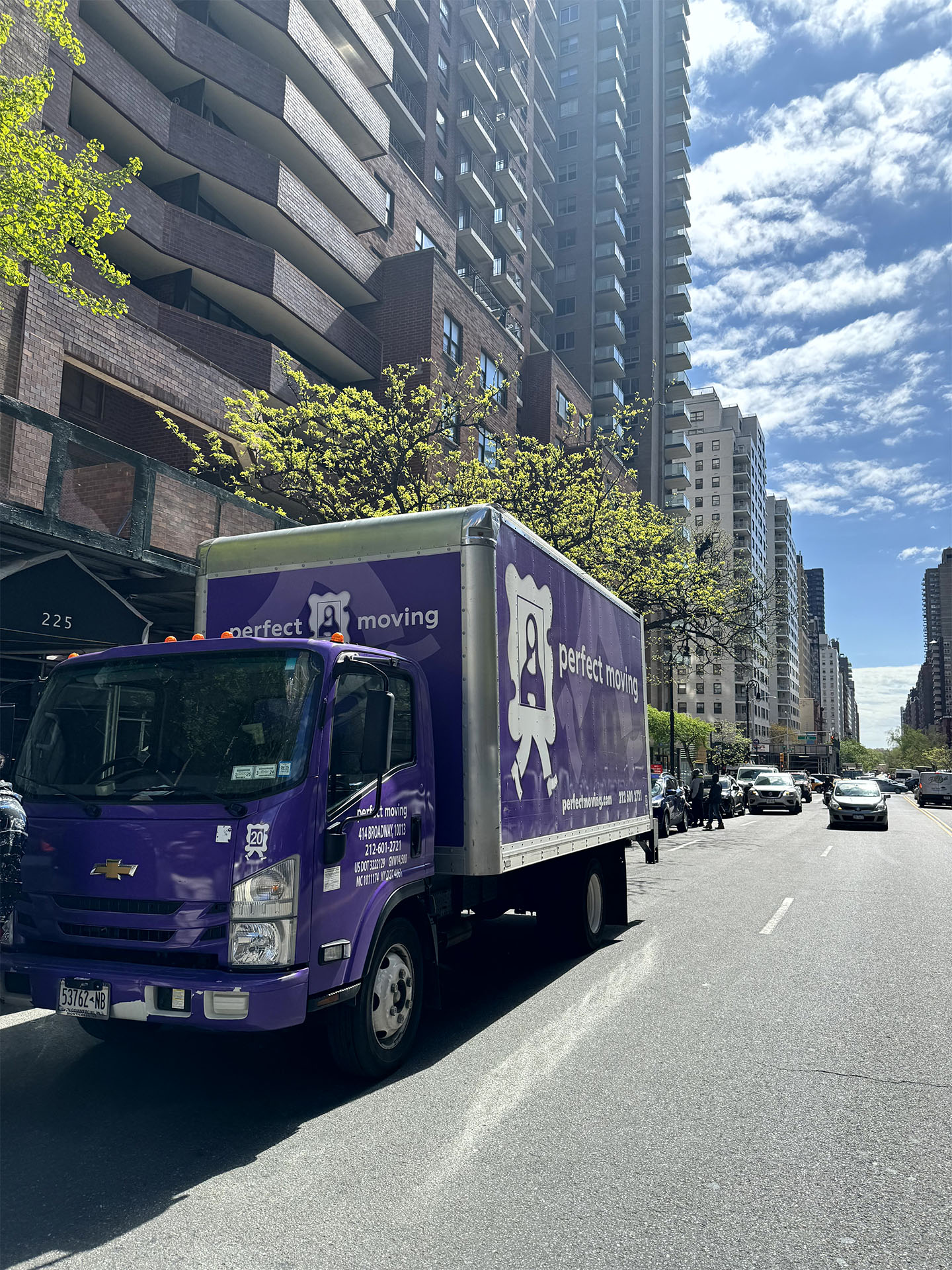
Why Perfect Moving & Storage Helps Families
- Full-service packing and unpacking.
- Guaranteed delivery windows.
- Transparent pricing with no hidden fees.
- Eco-friendly moving crates.
- Family-friendly, respectful moving crews.
Turning a Move into a Family Adventure
Moving long-distance with kids from NYC isn’t just a logistical project — it’s an emotional journey. But with thoughtful planning, open communication, and stable routines, you can transform it into a positive family adventure.
By involving your children, validating their feelings, and exploring your new city together, you’ll help them feel confident and secure throughout the transition.
Ready to plan your family’s move? Request a free quote from Perfect Moving & Storage today and let us take care of the logistics while you focus on your family.


Reactions vary by age:
- Toddlers: Clinginess, crying, sleep disruptions, or regressions.
- School-age kids: Sadness about leaving friends, worry about new schools.
- Teens: Irritability, withdrawal, or frustration due to peer attachments.
These reactions are normal and often temporary with support and reassurance.
- Start talking about the move early.
- Show them pictures and videos of the new home and city.
- Let them make small decisions (decor, activities, room setup).
- Plan goodbye rituals with friends or favorite NYC spots.
- Create memory boxes or photo albums of their NYC life.
The more informed and involved kids feel, the smoother their emotional adjustment.
- Research schools early and note enrollment deadlines.
- Transfer all academic and medical records ahead of time.
- Refill prescriptions and schedule checkups before leaving.
- Childproof your new home quickly after arrival.
- Create a family binder for important documents and travel details.
Planning ahead reduces stress on moving day and during the transition.
- Arrange childcare or ask a trusted relative to help.
- Prepare a “kid survival kit” (toys, books, snacks, tablets, blankets).
- Keep one safe room for children to relax away from movers.
- Give older children simple “jobs” to keep them included.
Reducing chaos helps children feel safe and calm.
Include:
- Favorite toys or stuffed animals
- Books, tablets, or coloring supplies
- Snacks and drinks
- Wipes and tissues
- A change of clothes
- Comfort items for bedtime
Keep this bag with you — not on the truck.
- Keep comfort items accessible.
- Use simple explanations about what’s happening.
- Maintain nap and bedtime routines.
- Expect temporary regressions — they’re normal.
Children this age adapt quickly once routines stabilize.
- Create a countdown calendar.
- Let them help pack part of their room.
- Arrange farewell playdates or memory projects.
- Visit their new school or neighborhood virtually if possible.
Understanding and predictability help reduce their anxiety.
- Give them space to express frustration or sadness.
- Encourage them to stay connected with NYC friends.
- Frame the move as an opportunity (new activities, internships, environments).
- Involve them in choosing their room setup and extracurriculars.
Teens need autonomy and reassurance during major change.
- Unpack their rooms first to create a sense of safety.
- Rebuild routines immediately.
- Explore the new area together.
- Help them meet neighbors, join clubs, or sign up for sports.
- Stay patient — adjustment can take weeks or months.
Early bonding with the new environment makes a huge difference.
Reliable movers reduce stress by:
- Handling all heavy lifting
- Offering full-service packing and unpacking
- Providing clear delivery windows or guaranteed timing
- Managing building rules and logistics
- Working respectfully around children
With fewer logistical worries, parents can focus on helping their kids adjust.
Perfect Moving & Storage offers:
- Full-service packing so parents can focus on children
- Guaranteed delivery options to prevent long gaps without belongings
- Eco-friendly, safer packing materials
- Transparent pricing with no hidden fees
- Family-friendly crews trained to work carefully in active homes
Their support helps transform a stressful move into a smoother, more family-centered experience.