

How to Compare Long-Distance Moving Quotes
More Than Just a Price Tag
When preparing for a long-distance move from NYC, one of the very first decisions you’ll face is gathering quotes from reputable moving companies. On the surface, this sounds simple: get three estimates, compare the dollar amounts, and choose the cheapest one.
But here’s what most people don’t realize until it’s too late: moving quotes are not standardized. A $3,500 estimate from one company may include full packing, guaranteed delivery, and comprehensive insurance — while a $3,000 quote from another may exclude nearly everything and balloon later with surprise fees. What looks like a bargain too often becomes an expensive mistake.
This guide walks you through how to compare long-distance moving quotes the right way. You’ll learn how to identify legitimate estimates, understand hidden fees, evaluate protection levels, and choose a mover who offers genuine value — not dangerous shortcuts.
Understanding the Types of Moving Estimates
Non-Binding Estimate
What it is: An educated guess based on the initial survey of your belongings. Final pricing is determined after the move based on weight, time, or volume.
- Risk factor: You might be quoted $4,000 and end up paying $7,000.
- Best for: Very small or extremely simple moves only.
Binding Estimate
What it is: A fixed price based on the inventory list supplied to the mover.
- Benefits: Predictability and fewer cost surprises.
- Risks: Adding items or changing access conditions can still increase the price.
Binding Not-to-Exceed Estimate
What it is: A customer-friendly format where you never pay more than the quote, and may pay less if the shipment weighs less.
- Benefits: Maximum transparency and cost protection.
- Risks: Minimal — preferred by most long-distance customers.
Pro tip: Ask movers to clearly state the estimate type in writing to avoid vague or misleading terms.
What Should Be in a Long-Distance Moving Quote
A transparent, reliable quote should clearly outline what is included and what may incur extra charges.
Standard Inclusions
- Transportation (fuel, mileage, tolls, truck)
- Labor for loading and unloading
- Basic liability coverage (60 cents per pound)
- Estimated delivery window
Extras That May Be Included or Separate
- Packing supplies
- Full-service packing and unpacking
- Specialty services (pianos, art, antiques)
- Custom crating
- Storage-in-transit
- Furniture disassembly and reassembly
Action step: Request a line-item breakdown from every mover for accurate comparisons.
Hidden Fees to Watch Out For
Some movers advertise low prices but hide additional charges in the fine print.
Common Hidden Fees
- Stair fees
- Elevator fees
- Long carry fees
- Shuttle truck fees
- Fuel surcharges
- Insurance upgrades
- Weekend or holiday surcharges
- Disposal fees
Example: A $3,800 quote ballooned to $5,200 for an NYC couple after hidden stair fees, elevator delays, and fuel charges appeared on moving day.
Spotting a Low-Ball Quote
A quote that seems “too good to be true” almost always is.
Red Flags
- Far cheaper than competing quotes
- No in-home or video survey
- Vague inclusions such as “basic moving services”
- High-pressure sales tactics
- Large deposit requirements
- Missing DOT or MC license numbers
FMCSA tip: Low-ball quotes are strongly associated with moving scams. Always verify licensing and reviews.
How to Compare Quotes Step by Step
Step 1: Gather Multiple Quotes
Request 3–5 estimates from licensed, insured movers.
Step 2: Ensure the Same Inventory
Provide each mover the same item list or walkthrough to enable an apples-to-apples comparison.
Step 3: Create a Comparison Spreadsheet
List each mover’s pricing, included services, delivery window, insurance coverage, and extra fees.
Step 4: Ask Detailed Questions
- Are packing supplies included?
- How are stairs and elevators billed?
- Is the estimate binding?
- What happens if the weight is higher or lower?
- Is there a delivery guarantee?
Step 5: Factor in Value
Sometimes a slightly higher quote saves money overall by including packing, insurance, supplies, and delivery guarantees.
Worksheet idea: Use columns labeled Estimate, Services, Risks, and Notes to compare movers clearly.
Insurance and Liability: The Fine Print That Matters
Insurance is often ignored — until something breaks. Understand your options clearly.
Coverage Options
- Released Value Protection: Free but minimal — 60 cents per pound.
- Full-Value Protection: Covers repair or replacement at actual value.
- Third-Party Insurance: Useful for jewelry, artwork, and high-value electronics.
Example: A 100-pound table valued at $2,000 would be reimbursed only $60 under released value coverage.
Delivery Windows and Guarantees
Delivery timelines vary significantly between movers.
Standard Delivery Window
Some movers use broad ranges (e.g., 7–21 business days), which complicate planning.
Guaranteed Delivery
A specific date is promised, and penalties apply if movers miss it.
Pro tip: If you have school, job, or lease deadlines, guaranteed delivery is worth the investment.
Case Study: The Johnsons’ Quote Comparison
The Johnson family moved from NYC to Chicago and received three quotes:
- Mover A: $4,200, non-binding, vague services, basic liability only.
- Mover B: $5,000, binding, included supplies, standard liability only.
- Mover C: $5,300, binding not-to-exceed, included supplies, packing, full-value protection, and guaranteed delivery.
Mover A looked cheapest initially but could easily exceed $6,000 once supplies and insurance were added. Mover C offered the best protections and value.
Why Perfect Moving & Storage Makes Quotes Simple
- Transparent pricing with clear breakdowns
- Binding or not-to-exceed estimates
- Guaranteed delivery options
- Full insurance upgrade availability
- 5.0-star reputation backed by thousands of reviews
Focus on Value, Not Just Cost
When comparing long-distance moving quotes, your goal isn’t simply to find the lowest price — it’s to identify the mover who offers the most transparent, reliable, and protective service. By understanding estimate types, checking for hidden fees, and evaluating insurance and delivery guarantees, you’ll protect your budget and ensure a smoother relocation.
Ready to compare moving quotes the right way? Request a free, transparent estimate from Perfect Moving & Storage today and move with confidence.
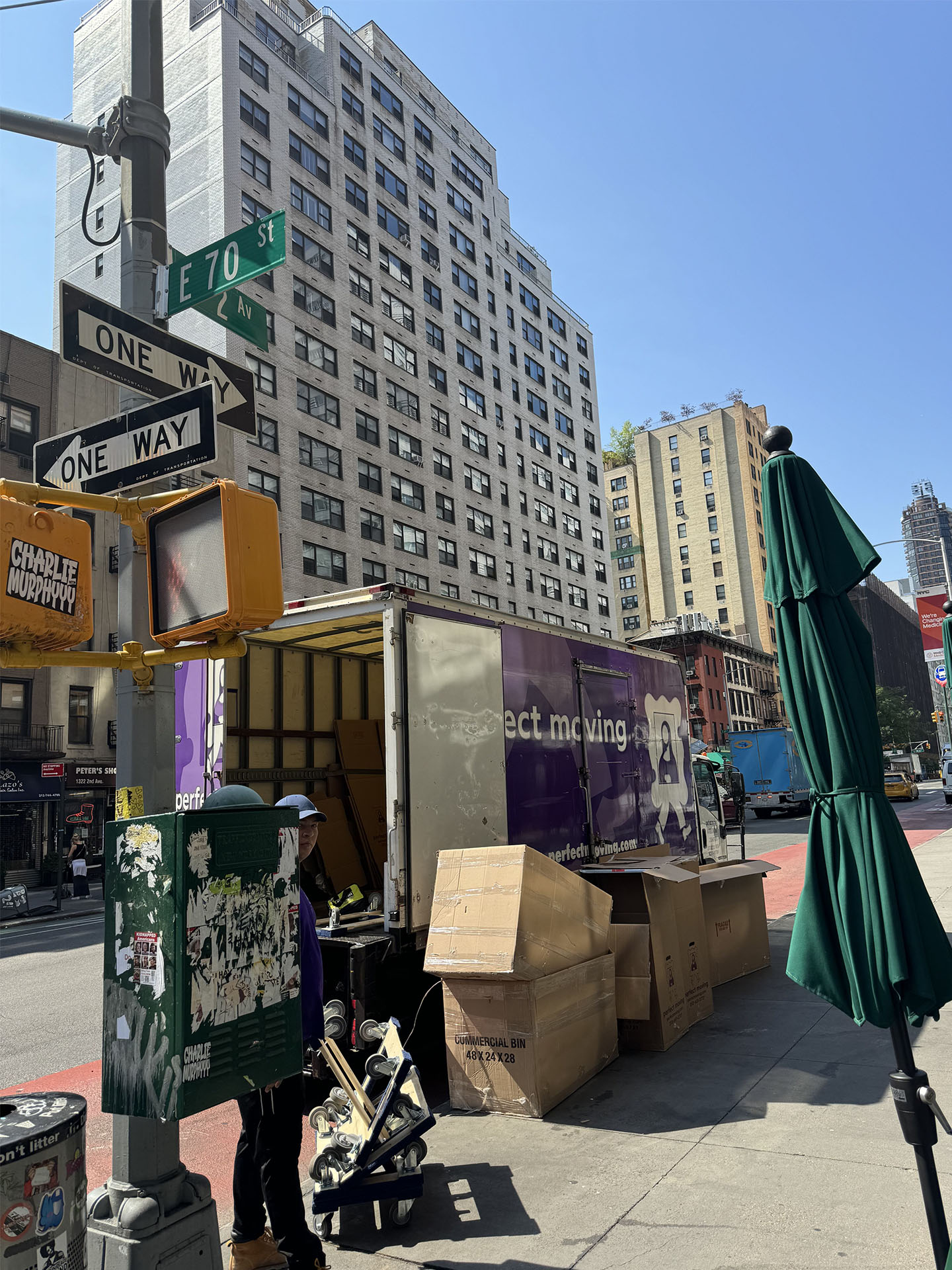


- A non-binding estimate is just an educated guess, and your final price can increase significantly.
- A binding estimate gives you a fixed price based on your inventory, but changes in item count or access conditions can still raise the price.
- A binding not-to-exceed estimate guarantees you won’t pay more than the quoted price — and you may pay less. It’s the safest option for long-distance moves.