Last-Minute Moves in Manhattan vs. Outer Boroughs: What’s Different?
New York City moves fast. When you need to relocate on short notice, that pace can feel overwhelming. But how you move depends a lot on where you move.
Last minute moving in Manhattan, Brooklyn, and Queens each comes with its own set of challenges — from traffic jams and strict building policies to narrow brownstone stairs and long bridge commutes. Understanding these differences helps you plan smarter, save time, and avoid unnecessary stress.
Here’s what makes each borough unique and how professional movers like Perfect Moving & Storage tackle every challenge with speed and precision.
Why Borough Differences Matter in Urgent Moves
When you’re booking an urgent move in NYC, location matters as much as timing. Each borough has its own landscape, traffic flow, and logistics that can dramatically affect your moving day.
Key factors that impact same-day or next-day moves:
- Traffic patterns: Some neighborhoods are constantly gridlocked, while others have open streets and easier access.
- Building regulations: Many Manhattan co-ops require insurance certificates and reserved elevator time, while Brooklyn’s brownstones and Queens homes might not.
- Parking and curb access: Limited street space in dense areas can delay loading and unloading.
- Neighborhood design: Narrow streets, one-way systems, or limited entry points can affect route planning.
- Move-in timing: Certain buildings and neighborhoods limit moving hours, particularly in Manhattan high-rises.
A reliable moving company understands these nuances and adjusts accordingly, ensuring your move runs smoothly no matter where you live.
Manhattan: Fast-Paced, Crowded, and Complex
Manhattan is the beating heart of NYC — exciting, busy, and notoriously challenging for movers. Every block presents a different set of obstacles, and same-day moves here demand serious strategy.
Main challenges for Manhattan moves:
-
Traffic and Timing
Manhattan traffic is legendary. Between delivery trucks, rideshares, and construction zones, moving trucks can spend more time idling than driving. Peak hours, typically 7–10 AM and 4–7 PM, make this even worse.
How professional movers handle it: Experienced teams plan early morning or late evening routes. They rely on real-time traffic data and use side streets instead of main avenues to save time.
-
Parking and Loading
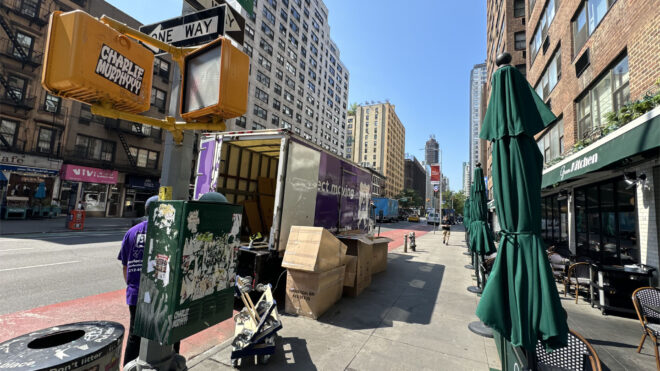
Finding a legal place to park a moving truck in Manhattan is nearly impossible without preparation. Movers often need to double-park, which can result in fines if not managed carefully.
Pro tip: Professional movers dispatch a spotter or additional crew member to handle parking logistics while the team works efficiently to load or unload your belongings.
-
Building Requirements
Most Manhattan high-rises and co-ops require Certificates of Insurance (COIs) before allowing movers access. These documents confirm that your movers are licensed, insured, and accountable for any potential damage.
What to do: Contact your building management as soon as possible. A professional mover like Perfect Moving & Storage can provide COIs quickly, often within hours.
-
Space Constraints
Pre-war buildings and narrow elevators make large furniture moves difficult. Movers may need to disassemble pieces or use special tools to navigate tight corners.
How professionals manage it: Movers trained in handling delicate and bulky furniture bring lift straps, moving blankets, and specialized tools to protect both the building and your belongings.
Brooklyn: Charming Streets, Tight Spaces, and Heavy Lifting
Brooklyn’s mix of classic brownstones, modern condos, and creative warehouse lofts makes it one of the most diverse boroughs to move in. But its character comes with quirks that make urgent moves physically demanding.
Key aspects of Brooklyn moves:
-
Street Layout and Access
Brooklyn’s streets vary from wide industrial roads to narrow residential blocks. In neighborhoods like Park Slope, Carroll Gardens, and Bed-Stuy, streets can be too tight for large moving trucks.
What movers do: Professional movers often use smaller shuttle trucks to reach narrow areas, transferring items from a larger vehicle parked nearby. It’s a seamless process that prevents long carry times and keeps your schedule on track.
-
Walk-Ups and Brownstones
Brooklyn’s famous brownstones are beautiful but challenging for movers. Many have steep staircases, no elevators, and fragile interiors that require extra care.
How movers handle it: Crews bring extra manpower and use padded protection for stair railings and walls. Furniture is often wrapped and lifted carefully to avoid damage.
-
Parking Regulations
While Brooklyn offers more street parking than Manhattan, it’s still competitive, especially during alternate-side parking days. This can slow down a move if not anticipated.
Pro tip: Booking a weekday morning move can save time and reduce competition for curb space.
-
Neighborhood Diversity
Every Brooklyn neighborhood is different. Moves in Williamsburg high-rises require COIs like Manhattan, while homes in Ditmas Park or Red Hook are more relaxed. Professional movers adapt their approach for each type of building and street.
Queens: Space and Distance Challenges
Queens is often considered the “easiest” borough for moving because of its wider streets and suburban-style homes, but that doesn’t mean it’s simple — especially if you’re booking last minute.
What makes Queens moves different:
-
More Space, Easier Parking
Compared to Manhattan or Brooklyn, Queens has far more parking availability and driveway access. Movers can often park directly in front of a home, reducing loading times.
-
Longer Travel Routes
Queens covers the largest area of any borough. Moves between neighborhoods like Bayside, Flushing, and Astoria can take over an hour during traffic peaks.
How movers plan for it: They optimize routes and assign local crews who are familiar with bridges, tunnels, and highway shortcuts to minimize time lost in transit.
-
Mixed Housing Types
From suburban homes to apartment buildings, Queens requires flexibility. Some neighborhoods, such as Long Island City, have modern high-rises with building restrictions similar to Manhattan. Others, like Jamaica Estates, allow for easier access and fewer moving limitations.
-
Bridges and Tolls
Crossing boroughs adds complexity to Queens moves. Movers often plan routes around bridge tolls and congestion to save time and cost.
Pro tip: Schedule your move between mid-morning and early afternoon to avoid rush hour backups near bridges and tunnels.
How Professional Movers Handle Borough Differences
Expert movers adjust their approach depending on the borough. They understand the logistical quirks of each area and come prepared with the right tools, team, and timing.
How professional movers like Perfect Moving & Storage adapt:
- Route planning: They use live traffic monitoring and local experience to find the fastest routes.
- Building coordination: Movers communicate directly with building managers to handle COIs, elevator reservations, and move-in times.
- Crew assignment: Teams are tailored to the building layout — more movers for walk-ups, fewer for high-rises with freight elevators.
- Equipment preparation: Movers bring protective materials, ramps, dollies, and smaller trucks when necessary.
- Efficient timing: They plan loading and unloading windows to avoid rush hour or building restrictions.
These details may seem small, but they make the difference between a stressful move and a perfectly executed one.
Cost Differences Between Boroughs
Moving prices vary depending on the borough, mainly because of the factors that influence time and accessibility rather than distance alone.
Here’s what typically affects pricing:
- Parking and access challenges can add time in Manhattan.
- Stairs and narrow spaces in Brooklyn may require extra movers.
- Bridge crossings and longer travel routes in Queens can increase transportation costs.
Fortunately, Perfect Moving & Storage offers flat-rate pricing, so you know your total cost upfront. No hidden fees, no hourly confusion — just one fair price based on your needs and timeline.
Tips for a Smooth Last-Minute Move in Any Borough
Whether you’re in Manhattan, Brooklyn, or Queens, these practical tips help your urgent move go more smoothly:
- Start with essentials: Pack personal items, medications, and valuables first.
- Communicate clearly: Tell movers about building rules, stairs, and timing constraints.
- Declutter fast: Donate or discard items you no longer need to reduce moving volume.
- Confirm paperwork early: Building COIs can delay moves if not submitted in time.
- Stay flexible: Traffic, weather, and access can change quickly — trust your movers to adjust.
Professional movers thrive under pressure. With the right company, even a same-day move can be completed calmly and efficiently.
Why Perfect Moving & Storage Is NYC’s Best for Borough Moves
Perfect Moving & Storage specializes in urgent relocations across all NYC boroughs. Their local knowledge, precision, and customer-first approach make them the go-to choice for last minute moving in Manhattan, Brooklyn, and Queens.
Here’s why they stand out:
- 5.0-star average rating based on more than 3,000 reviews.
- Licensed, insured, and approved for NYC building compliance.
- Same-day and next-day availability citywide.
- Flat-rate pricing with no hidden fees.
- Eco-friendly Perfect Crates instead of cardboard boxes.
- Trained crews who handle every move with care and speed.
Whether you’re facing a sudden lease termination in Manhattan, a quick relocation across Brooklyn, or an urgent family move in Queens, Perfect Moving & Storage delivers a fast, stress-free experience every time.
Final Thoughts: Different Boroughs, Same Reliable Solution
Each NYC borough tells a different moving story. Manhattan challenges your patience, Brooklyn tests your logistics, and Queens demands planning across distance. But with the right movers, every borough becomes manageable — even on the tightest timeline.
Call Perfect Moving & Storage today to schedule your last-minute move anywhere in Manhattan, Brooklyn, or Queens. With professionalism, speed, and complete reliability, they make moving in NYC look easy, no matter where you live.
Yes, last-minute moves in Manhattan are usually more challenging than in other boroughs.
Manhattan has heavier traffic, stricter building regulations, and limited curb space, all of which complicate urgent moves. Many buildings require Certificates of Insurance and reserved elevator time.
These restrictions reduce flexibility and increase coordination requirements, especially for same-day or next-day moves.
Movers with Manhattan experience know how to navigate these challenges efficiently and avoid costly delays.
Brooklyn moves often take longer due to walk-ups and physical layout rather than traffic.
Many Brooklyn apartments are located in brownstones with multiple flights of stairs and no elevators. This increases labor time, especially during urgent moves.
Narrow residential streets can also limit truck access, requiring additional planning or shuttle vehicles.
Time spent lifting and maneuvering items often exceeds driving time in Brooklyn relocations.
Queens can be easier in some ways, but it has its own challenges.
Wider streets and better parking access make loading faster in many Queens neighborhoods. However, the borough’s size means longer driving distances between locations.
Bridge crossings and highway traffic can impact timing, especially during rush hours.
Movers familiar with Queens plan routes carefully to balance travel time and loading efficiency.
Yes, borough-specific factors can influence moving costs.
Manhattan moves may cost more due to access restrictions and waiting times. Brooklyn moves may require additional movers for stair-heavy buildings. Queens moves may include longer transport times.
These costs are tied to labor time and logistics rather than distance alone.
Flat-rate pricing helps eliminate uncertainty regardless of borough challenges.
Yes, providing borough details is essential for urgent bookings.
Knowing the borough allows movers to anticipate access issues, crew size needs, and parking challenges.
It also helps them plan the fastest routes and assign teams familiar with local conditions.
Clear location details improve efficiency and reduce surprises on moving day.