
The Emotional Side of Senior Moves: How to Ease the Transition
Moving is more than a physical task; it’s an emotional journey, especially for seniors. Leaving a long-time home often means parting with memories and routines built over decades. That sense of familiarity and independence is deeply personal.
Providing emotional support for senior moving in NYC is not just about organizing boxes or hiring movers. It’s about compassion, patience, and creating emotional stability during one of life’s biggest transitions. This guide explains how to recognize emotional challenges, offer the right kind of support, and help seniors embrace a new beginning with comfort and confidence.
Why Moving Is So Emotional for Seniors
A senior’s home often holds their life story. Every corner carries memories of milestones, family gatherings, and personal accomplishments. Leaving that environment can stir feelings of sadness, fear, or uncertainty.
Common emotional challenges include:
- Grieving the loss of a familiar place and daily routine
- Anxiety about unfamiliar surroundings
- Fear of losing independence
- Overwhelm from packing and decluttering
- Loneliness after leaving neighbors and community ties
The key to easing these emotions is acknowledgment. Rather than trying to “fix” sadness, listen with empathy and remind your loved one that their memories move with them.
Example: Instead of saying, “It’s just a house,” try, “This home holds wonderful memories, and we’ll carry those memories with us.”
Helpful resource: AARP’s guide on moving tips for seniors offers valuable insights into managing emotions during relocation.
Recognizing the Emotional Stages of a Move
Just like any major life change, moving often happens in emotional phases. Recognizing these helps families provide the right support.
Common emotional stages include:
- Resistance: Seniors may feel they’re being forced to move.
- Sadness: Saying goodbye to a beloved home can be painful.
- Anxiety: Worrying about new surroundings and routines.
- Acceptance: Understanding that the move brings benefits.
- Adjustment: Gradually feeling comfortable in the new space.
Each person’s experience is unique. Some seniors adapt quickly, while others need time. Compassion, patience, and gentle reassurance are essential at every step.
Tip: Keep communication open and positive. Emphasize benefits such as safety, closeness to family, or less home maintenance.
How Family Members Can Offer Emotional Support
Family plays a vital role in easing emotional stress. Seniors often feel more secure knowing they are involved in the decision-making process and that their opinions matter.
How families can provide support:
- Encourage them to share their thoughts and concerns.
- Include them in key decisions about timing and logistics.
- Help sort belongings at a comfortable pace.
- Take time to talk about favorite memories while packing.
- Offer reassurance frequently, especially during moments of hesitation.
Tip: Maintain patience. Emotional adjustment takes time, and gentle encouragement is more effective than pressure.
Creating a Moving Support Plan for Seniors
An organized support plan helps families navigate the emotional and practical sides of moving together.
How to create a support plan:
- Assign family roles such as planner, communicator, or companion.
- Schedule packing and rest days to prevent fatigue.
- Plan check-ins to discuss emotions and progress.
- Include moments of joy like family dinners or visits to the new home.
- Encourage the senior to participate in decisions to maintain control.
Example: On Monday, sort kitchen items; on Tuesday, visit the new apartment to visualize furniture placement; on Wednesday, share a meal together and discuss what feels exciting about the change.
This balance between structure and care helps seniors feel supported both emotionally and practically.
How Professional Movers Provide Emotional Support
Experienced senior movers bring more than physical strength. They bring understanding, patience, and respect.
Ways professional movers reduce emotional stress:
- Communicating calmly and clearly about what will happen next
- Handling sentimental belongings with extra care
- Moving at a comfortable pace for the senior
- Treating every item and person with kindness and respect
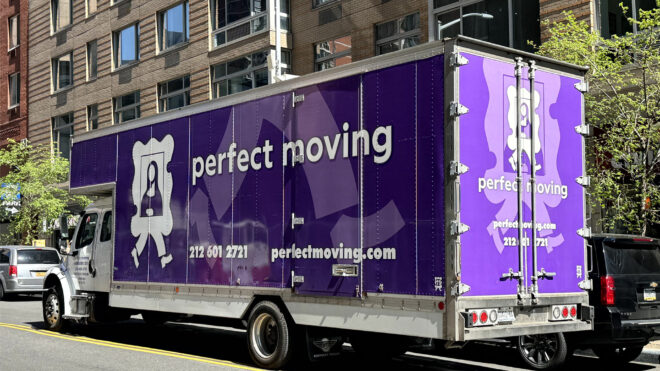
Perfect Moving & Storage is known for blending professionalism with compassion. Their team takes time to ensure seniors feel comfortable and heard throughout the move.
Tip: Introduce your loved one to the moving team before moving day to create familiarity and trust.
Helping Seniors Cope with Change
Change can feel unsettling. Familiar routines provide a sense of safety, so sudden disruption can lead to emotional fatigue.
Effective coping strategies:
- Focus conversations on what remains the same, such as relationships and family traditions.
- Use familiar scents, music, or lighting during the move to maintain comfort.
- Keep routines like mealtimes or morning tea unchanged.
- Provide choices to help them feel in control.
Tip: Encourage gradual progress rather than perfection. Small victories, such as setting up one room at a time, build confidence and reduce stress.
Insight: The National Institute on Aging emphasizes that consistency in social connections and routines significantly improves adaptation after major life changes.
Preparing Emotionally Before Moving Day
Emotional preparation reduces anxiety and makes the move smoother. Seniors need time to process, reflect, and say goodbye to their old home.
Steps to prepare emotionally:
- Walk through the home together and recall happy memories.
- Create a memory scrapbook or digital photo album.
- Organize a farewell visit with neighbors or friends.
- Discuss what to expect on moving day in detail.
- Identify “comfort items” to keep close, like favorite blankets or keepsakes.
Tip: Write a short goodbye letter to the home. This symbolic act helps seniors find closure and feel emotionally ready for the next chapter.
Building Familiarity in the New Home
A smooth emotional transition depends on how familiar and comfortable the new environment feels.
How to make the new home feel welcoming:
- Arrange furniture similarly to the old layout.
- Display cherished photos and heirlooms immediately.
- Set up lighting that feels warm and familiar.
- Keep daily items within easy reach for convenience.
- Ensure accessibility and safety to reduce anxiety.
Tip: Involve seniors in setting up their new home. Giving them control over where things go helps reinforce their sense of independence.
How to Help Seniors Adjust Emotionally After the Move
Once the boxes are unpacked, the real emotional work begins. Seniors need continued encouragement as they adapt to their new environment.
Post-move emotional support tips:
- Call or visit frequently, especially in the first few weeks.
- Celebrate milestones like “one week in the new home.”
- Encourage participation in local activities or hobbies.
- Create a predictable daily routine to foster security.
- Discuss feelings openly and without judgment.
Tip: Keep sentimental items visible. Seeing familiar belongings daily helps seniors feel grounded and reduces feelings of loss.
Insight: According to Psychology Today, gentle social reintegration and frequent family contact help reduce post-move anxiety in older adults.
Staying Connected After the Move
Isolation is one of the biggest challenges after relocation. Maintaining strong social ties supports emotional well-being and prevents loneliness.
Ways to stay connected:
- Schedule regular family visits or video calls.
- Encourage joining local senior or hobby clubs.
- Introduce them to friendly neighbors early.
- Help them explore nearby parks, libraries, or community centers.
Tip: The NYC Department for the Aging provides resources for senior engagement, including activities and wellness programs throughout the city.
Managing Guilt or Regret
Even when the move goes smoothly, it’s normal for seniors to experience moments of regret or sadness.
How to manage these feelings:
- Validate their emotions and let them express them freely.
- Focus on the benefits of the move such as convenience or proximity to loved ones.
- Encourage gratitude and mindfulness exercises.
- Revisit old memories with joy instead of longing.
- Avoid minimizing their feelings with phrases like “You’ll get used to it.”
Tip: Journaling or recording memories helps seniors express emotions constructively and view their experiences with pride rather than loss.
Recognizing When Professional Help Is Needed
Some seniors may experience deeper emotional challenges that require professional guidance.
Warning signs include:
- Withdrawal from family or activities
- Persistent sadness or irritability
- Refusal to unpack or engage with the new environment
- Noticeable changes in appetite or sleep
If these symptoms appear, consider connecting your loved one with a licensed therapist or counselor. The National Institute on Aging offers directories and resources for mental health support.
Tip: Present therapy as an act of care, not correction. Emphasize that it’s another form of support designed to bring peace and comfort.
Involving Professionals Beyond Movers
Additional professionals can provide specialized support during a senior move.
Helpful experts to include:
- Senior move managers to coordinate logistics and planning.
- Occupational therapists to assess home safety and accessibility.
- Social workers to connect seniors with NYC community resources.
- Estate planners or organizers to manage paperwork and downsizing.
Tip: Building a team of professionals prevents overwhelm and ensures that no aspect of the move — emotional, physical, or logistical — is neglected.
How Professional Movers Ease Both Physical and Emotional Stress
Professional movers trained in senior relocations understand the emotional weight behind every move. Their experience brings calm, order, and reassurance.
Ways compassionate movers make a difference:
- Communicate clearly and respectfully.
- Protect every belonging with careful handling.
- Set up furniture and décor in a familiar arrangement.
- Work quietly and efficiently to maintain a peaceful atmosphere.
- Stay patient and flexible if the senior needs breaks.
Perfect Moving & Storage combines expertise with empathy, making the process smooth for both seniors and families. Their caring approach transforms moving from stressful to comforting.
Final Thoughts: Moving with Compassion and Confidence
A senior move represents both an ending and a beginning. It can be emotional, but it can also be empowering when handled with care. The right balance of emotional support, family involvement, and professional help ensures the transition feels manageable and meaningful.
Providing emotional support for senior moving in NYC is about more than logistics; it’s about honoring a lifetime of memories while creating space for new ones. With patience, compassion, and understanding, families can help their loved ones move not just to a new home but into a new season of comfort and connection.
Call Perfect Moving & Storage today to plan your senior relocation. Their team offers both professional precision and heartfelt care, ensuring every move is handled with respect, empathy, and genuine dedication.
Senior moves are emotionally difficult because they involve leaving behind familiarity, memories, and routines.
A long-time home often represents decades of life experiences, relationships, and personal milestones. Letting go of that environment can feel like losing a part of one’s identity.
Seniors may also worry about independence, adapting to a new space, or losing connections with neighbors and community. These feelings are normal and deserve acknowledgment.
Understanding that emotional adjustment takes time is key to easing the transition.
Families can help by listening, involving seniors in decisions, and offering reassurance.
Open conversations about fears and expectations allow seniors to feel heard rather than rushed. Including them in planning helps preserve dignity and control.
Visiting the new home together, discussing positives, and keeping routines consistent all help reduce anxiety.
Emotional support before moving day often makes the entire process smoother and less overwhelming.
Withdrawal, anxiety, sadness, or resistance may signal emotional difficulty.
Some seniors may avoid packing, express fear about the future, or become unusually quiet or irritable. Others may repeatedly question the decision to move.
These behaviors often reflect grief over change rather than stubbornness. Responding with patience instead of pressure makes a significant difference.
If emotional distress continues after the move, additional support may be needed.
Familiarity is created by recreating routines, layouts, and personal touches.
Arranging furniture similarly to the old home helps seniors orient themselves quickly. Displaying photos, keepsakes, and favorite décor immediately adds emotional comfort.
Keeping daily habits such as mealtimes, music, or reading routines unchanged also provides stability.
These small actions help transform an unfamiliar space into a comforting home.
Professional help may be helpful if sadness or anxiety persists for weeks.
Signs such as ongoing withdrawal, sleep disruption, appetite changes, or refusal to engage with the new environment may indicate deeper emotional distress.
Therapists, counselors, or senior support specialists can help seniors process change in a healthy way.
Seeking support is a proactive step toward emotional well-being, not a sign of failure.

