

Glassware, electronics, heirlooms, and other fragile items need more than just a quick wrap in newspaper. Without proper protection, the risk of damage skyrockets. Professional movers use specialized packing materials like bubble wrap, dish boxes, and foam padding to ensure delicate items stay safe in transit. Even a short move across town can jostle items enough to cause cracks or breaks. Don’t take chances with your valuables — the right packing methods make all the difference.
Keep your fragile items safe. Choose Perfect Moving & Storage for expert packing that protects your most delicate belongings every step of the way.
Mistake to Avoid: Not Protecting Fragile Items Properly
Every move, whether across town or across the country, involves handling belongings that matter. Among them are fragile items like glassware, electronics, heirlooms, and collectibles — the possessions that carry both monetary and sentimental value. One of the most common mistakes people make is failing to protect these delicate items properly.
A quick wrap in newspaper or a flimsy box may feel “good enough,” but the reality is that fragile items need specialized packing techniques and materials. Without proper care, even a short trip down the block can result in cracks, chips, or complete loss. Protecting fragile belongings isn’t about luck — it’s about preparation and using the right methods.
Why People Underestimate Fragile Packing
Fragile packing mistakes happen for a few common reasons:
- Rushing the process – In a hurry, people cut corners by wrapping items casually.
- Using the wrong materials – Newspaper and old boxes offer little real protection.
- Underestimating transit risks – Even careful drivers can’t prevent every bump or jostle during transport.
- Not knowing best practices – Without experience, it’s difficult to know how much padding is enough.
- Thinking short moves are safer – Many assume local moves require less care, but fragile items are just as vulnerable.
These assumptions often lead to heartbreak when valuables arrive damaged.
The Consequences of Improper Protection
Neglecting proper packing for fragile items can cause serious problems:
- Breakage – Glassware, ceramics, and electronics are highly susceptible to cracks and shattering.
- Scratches and chips – Even minor damage reduces value, especially for antiques or collectibles.
- Lost functionality – Electronics may stop working entirely if not cushioned against shocks.
- Sentimental loss – Heirlooms and keepsakes are often irreplaceable.
- Higher costs – Replacing or repairing broken items adds unexpected expense to your move.
The damage can happen in minutes, but prevention takes only a little more care and the right supplies.
Best Practices for Packing Fragile Items
Avoiding this mistake requires patience and planning. Here are essential steps:
- Use the Right Materials
- Invest in high-quality packing supplies:
- Bubble wrap and foam padding for cushioning.
- Dish and glassware boxes with dividers.
- Sturdy, double-walled boxes.
- Packing paper and corner protectors.
- Wrap Each Item Individually – Every fragile item should be wrapped separately. Nesting multiple pieces together without padding increases the chance of breakage.
- Cushion Boxes Properly – Line the bottom of each box with padding, fill empty spaces to prevent shifting, and top off with protective material before sealing.
- Label Clearly – Mark boxes as “Fragile” and note the room destination. Movers should know immediately which boxes require extra care.
- Pack by Category – Keep like items together — glassware with glassware, electronics with electronics — for better protection and easier unpacking.
Special Considerations for Fragile Items
Certain belongings require even more specialized attention:
- Glassware and dishes – Use dish boxes with cell dividers to keep each item secure.
- Electronics – Original packaging is ideal. If unavailable, use custom foam inserts.
- Artwork – Paintings and sculptures often need custom crates.
- Antiques and heirlooms – Combine bubble wrap, corner guards, and reinforced boxes for maximum protection.
- Mirrors – Special mirror boxes and corner padding help prevent cracks.
Each type of fragile item has unique vulnerabilities, and recognizing them is key to keeping everything safe.
The Role of Professional Movers
While DIY packing works for many items, fragile belongings benefit significantly from professional movers. Their expertise provides:
- Specialized materials – Access to supplies not always available to the public.
- Custom crating – Built for artwork, antiques, or oversized delicate items.
- Trained crews – Teams know how to pack and stack fragile items for transport.
- Efficient packing – Professionals pack faster without sacrificing safety.
- Insurance coverage – Protection for high-value belongings if accidents occur.
These advantages ensure your most delicate possessions arrive in perfect condition.
Perfect Moving & Storage: Protecting What Matters Most
At Perfect Moving & Storage, we treat fragile belongings with the care they deserve. Our packing services are designed to keep delicate items perfectly safe from start to finish.
Here’s what we offer:
- Specialized packing materials like dish boxes, bubble wrap, and foam padding.
- Custom crating solutions for artwork, antiques, and oversized items.
- Eco-friendly Perfect Crates that provide sturdy, stackable protection.
- Expert crews trained in best practices for fragile packing.
- Comprehensive services that include packing, transport, storage, and delivery.
With us, fragile items are not just moved — they are preserved.
Final Thoughts
Not protecting fragile items properly is a mistake that leads to unnecessary damage, expense, and heartbreak. The solution lies in careful preparation, high-quality materials, and, when possible, the expertise of professional movers. Whether it’s glassware, heirlooms, or electronics, every fragile item deserves the best protection available.
Keep your fragile items safe. Choose Perfect Moving & Storage for expert packing that protects your most delicate belongings every step of the way.
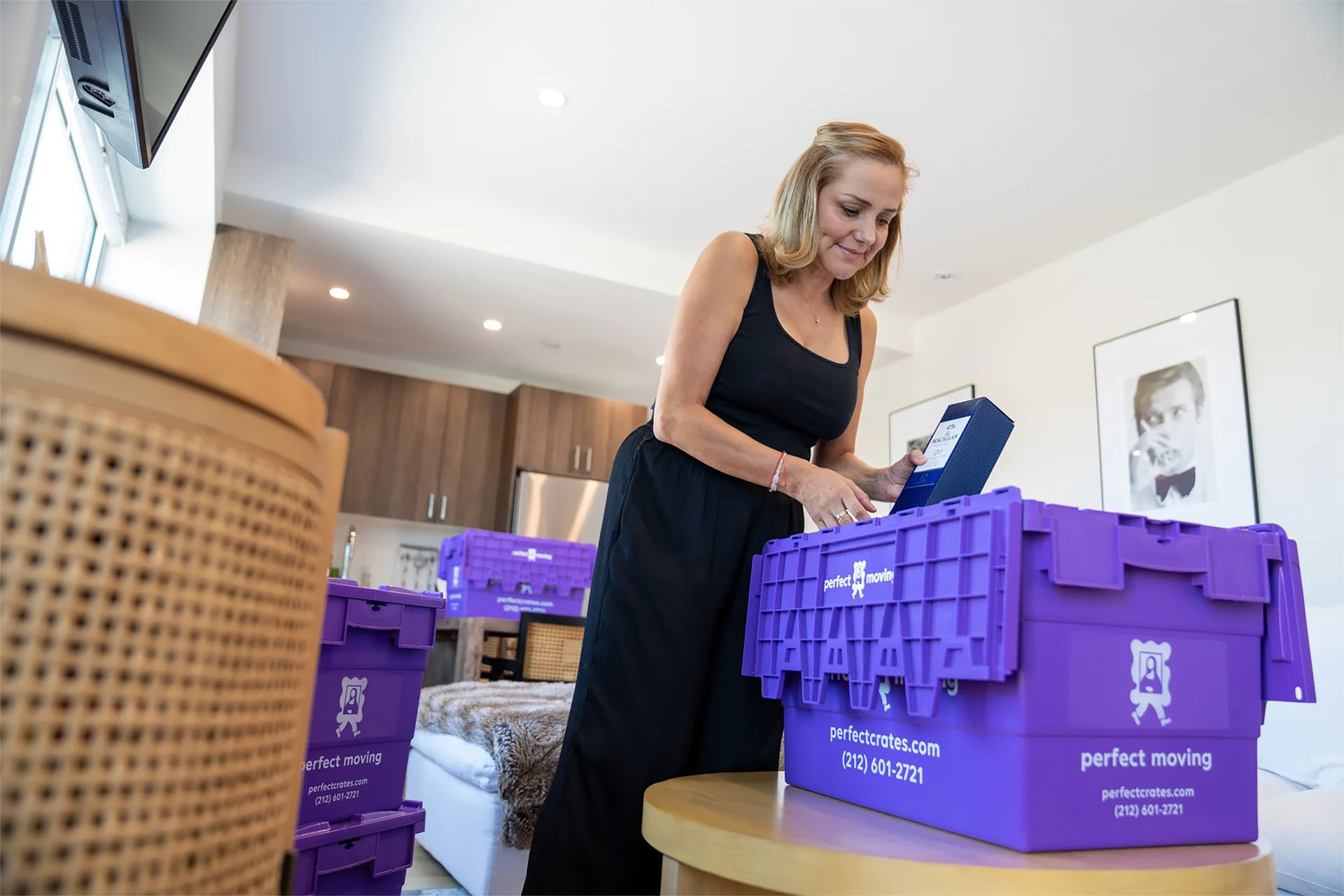
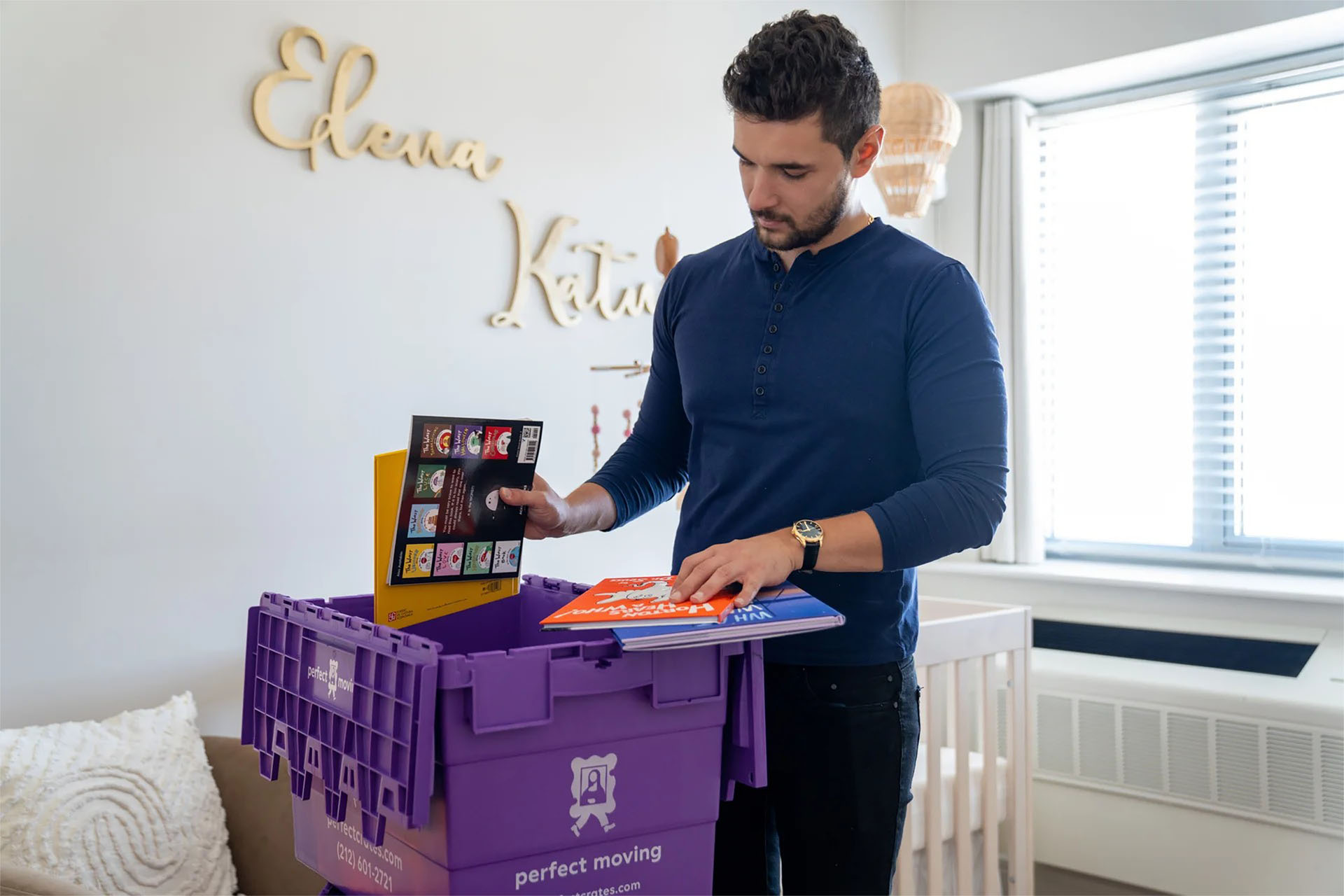
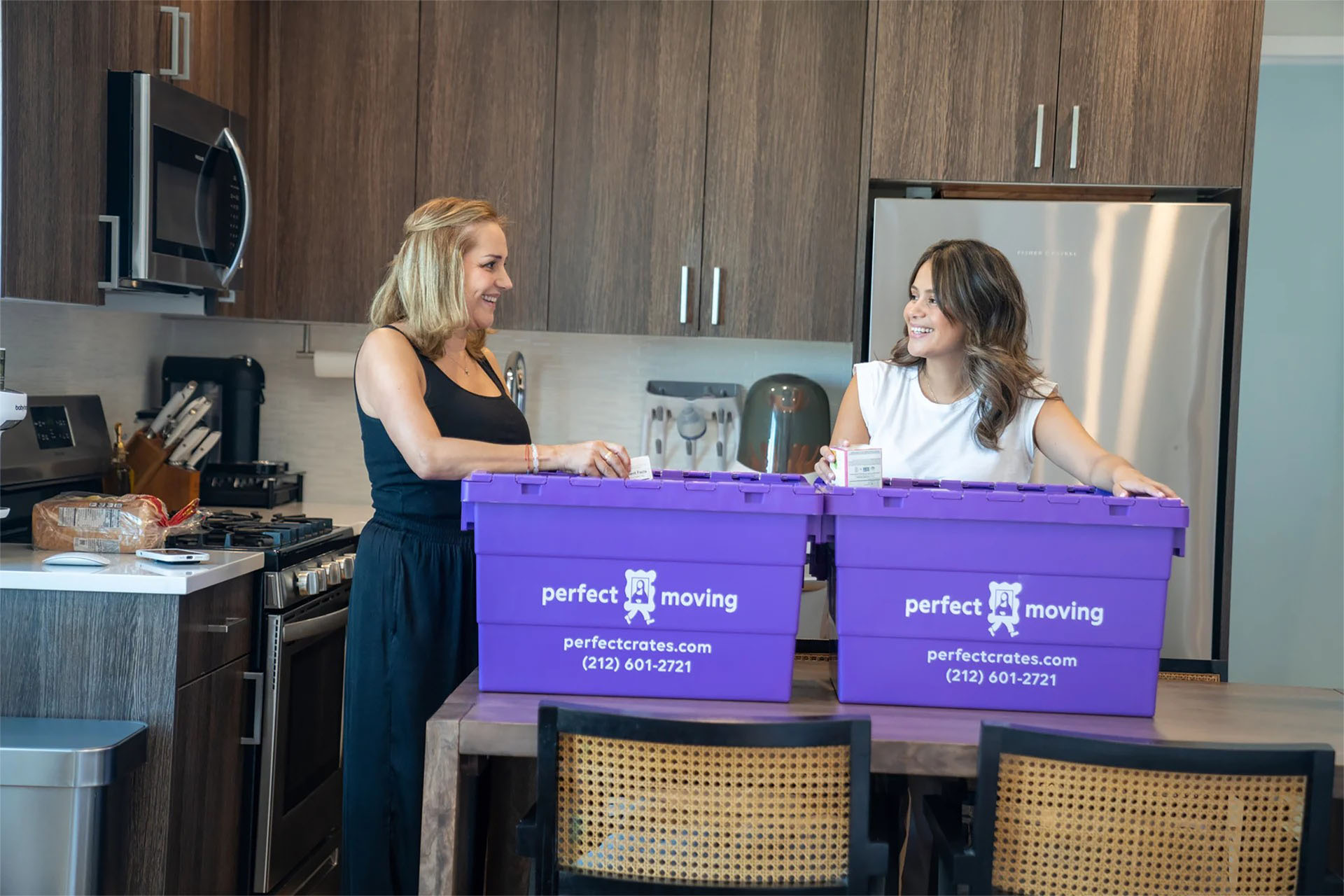
Many people underestimate how vulnerable fragile items are during a move, especially in a city like New York where bumpy roads, narrow staircases, and tight elevators are common. Rushing through packing or relying on makeshift materials like old boxes or newspaper can seem efficient but leaves items exposed to damage. People often assume that because they’re moving a short distance, there’s less risk — when in reality, short moves can involve just as much jostling and handling as long-distance ones.
Another reason is lack of experience. Without professional training, it’s easy to misjudge how much padding is enough or how items should be arranged within a box. Even small missteps, such as leaving empty space or stacking fragile items incorrectly, can lead to breakage. Proper packing requires both the right materials and the right technique — something professionals are trained to provide.
The consequences of poor fragile-item packing can be significant. The most obvious risk is breakage — glasses shattering, electronics cracking, or antiques suffering irreversible damage. Even minor issues like scratches or chips can diminish the value of sentimental or collectible items. When boxes aren’t cushioned or labeled properly, movers may unknowingly stack heavier boxes on top, increasing the likelihood of crushed or damaged contents.
Beyond physical damage, failing to protect fragile belongings can lead to financial loss and emotional frustration. Many of these items, like family heirlooms or irreplaceable gifts, hold deep sentimental value that no amount of money can replace. Taking time to pack them correctly or trusting professionals to do it ensures those pieces of your life arrive safely in your new home.
The key to protecting fragile items lies in using professional-grade materials. Bubble wrap and foam padding are essential for cushioning delicate pieces, while sturdy, double-walled boxes provide structural integrity. Dish and glassware boxes with cell dividers keep individual items separated and secure, preventing contact that can lead to cracks or chips. Packing paper, corner guards, and soft filler like air pillows or crumpled paper are also vital for filling gaps and preventing shifting during transport.
It’s equally important to avoid materials that seem helpful but aren’t — like newspaper, which can tear easily and leave ink stains, or worn boxes that may collapse under weight. Investing in quality materials, or hiring movers who provide them, is far cheaper than replacing broken valuables later.
Every fragile item should be wrapped individually before being placed in a box. Start by lining the bottom of each box with cushioning, such as foam padding or crumpled paper. Wrap each item thoroughly with bubble wrap, then fill in any empty spaces to prevent movement. Heavier items should go on the bottom, with lighter, more delicate pieces on top. Once packed, add a final layer of padding before sealing the box.
Label each box clearly on multiple sides with “Fragile” and indicate the destination room. This helps movers handle them with care and ensures they’re placed in the right location upon arrival. While the process takes a little extra time, it greatly reduces the risk of damage — and makes unpacking smoother, too.
Yes. Not all fragile items are the same, and each type requires unique handling. Glassware and dishes are best packed in dish boxes with dividers to keep them from clinking together. Electronics like TVs or computers should be packed in their original boxes whenever possible; otherwise, they need custom foam inserts and anti-static wrapping. Artwork, mirrors, and sculptures benefit from specialized boxes, corner protectors, or even custom crating for maximum security.
Antiques and heirlooms often require layered protection, combining soft wrap, bubble wrap, and sturdy outer boxes. Movers trained in handling delicate items know these differences and plan accordingly. Recognizing the needs of each item type is key to avoiding damage and ensuring safe delivery.
Professional movers bring expertise and materials that go far beyond DIY efforts. They use high-quality supplies, precise wrapping techniques, and efficient packing methods that ensure each item is properly protected and placed. Crews are trained to handle fragile goods, from fine art to electronics, and know how to load trucks in ways that minimize vibrations and shifting during transit.
Additionally, professional movers can provide custom crating for unusually shaped or high-value items and offer insurance options for added peace of mind. This combination of skill, equipment, and accountability ensures your fragile belongings receive the care they deserve — something that’s hard to replicate with a DIY approach.
Perfect Moving & Storage specializes in handling delicate items with precision and care. Their teams use professional-grade materials like bubble wrap, foam padding, and dish boxes, along with eco-friendly Perfect Crates that provide extra strength and stability. For high-value or oversized items, they offer custom crating solutions to ensure maximum protection.
Their trained crews follow proven packing techniques, ensuring each fragile piece is wrapped, cushioned, and secured for safe transport. From pickup to delivery — and even storage, if needed — they treat every item as if it were their own. With Perfect Moving & Storage, clients can rest assured that their most delicate belongings are in expert hands from start to finish.

