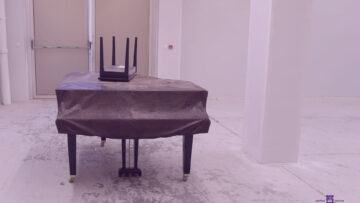

Common Mistakes People Make When Moving a Piano Themselves
For many people, a piano is a priceless possession — an heirloom passed through generations, a creative companion, or a centerpiece in the home. Yet every year, countless owners decide to move these delicate, heavy instruments on their own, often underestimating just how complicated and dangerous the task really is.
Moving a piano is not the same as moving a couch or cabinet. These instruments combine immense weight with fragile internal mechanics, requiring a rare balance of strength, technique, and precision. Without the right knowledge and equipment, even a short-distance move can lead to serious damage or injury.
Here’s an in-depth look at the most common mistakes people make when moving a piano themselves, the consequences of each, and how professionals prevent them.
The Most Common DIY Piano Moving Mistakes
When DIY movers get into trouble, it’s rarely because they don’t care — it’s because they don’t know what can go wrong. The following mistakes show where piano moves typically go off track and why professional expertise makes such a difference.
Underestimating the Piano’s Weight and Balance
The first and most common DIY mistake is assuming a piano can be handled with general moving strength and a few helping hands.
The Problem
A piano’s weight is deceptive. Upright models often weigh 300 to 800 pounds, while grands can exceed 1,200 pounds. More importantly, that weight is not evenly distributed. The heaviest part is concentrated on one side, where the cast-iron plate and strings are located, while the other side is comparatively lighter. When movers lift incorrectly, the piano becomes unstable and unpredictable. Even a small shift in grip can throw off its balance, leading to a sudden fall or tip. Most DIY teams are not prepared for how quickly that can happen on stairs or in tight spaces.
The Consequences
- Personal injury: Back strain, crushed fingers, and pulled muscles are common.
- Property damage: Flooring dents, chipped stairs, or broken walls.
- Instrument damage: Cracked soundboards, bent pedals, or internal misalignment.
Professional Prevention
Professional movers assess the piano’s dimensions, structure, and center of gravity before lifting. Using tools like piano skids and lifting straps, they distribute weight evenly and maintain full control through every phase of the move. Teams at Perfect Moving & Storage undergo specialized training to understand balance points and load-bearing areas — knowledge that prevents sudden tipping and dangerous surprises.
Using Improper or Inadequate Equipment
One of the most dangerous assumptions is that regular moving gear will suffice. A piano demands tools specifically designed for its size, shape, and fragility.
The Problem
Many DIY movers attempt to use household dollies not rated for piano weight, thin blankets or towels instead of thick, padded wraps, and rope or bungee cords that stretch or snap under pressure. These substitutes lack the strength and stability necessary to secure the piano safely. They also do little to protect against vibration, impact, or sudden shifts during transport.
The Consequences
- Surface damage: Scratches and dents from contact with hard or rough materials.
- Structural damage: Broken legs, warped frames, or loosened tuning pins.
- Unstable transport: Instruments shifting or sliding inside moving vehicles.
Professional Prevention
Professional movers use heavy-duty piano dollies, padded skids, multi-layer wrapping materials, and industrial-grade straps. These tools keep the piano secure, minimize vibration, and protect every surface from scratches or moisture. For longer moves, they also use climate-conscious trucks and proper tie-down systems, ensuring the piano remains stable and protected from the moment it leaves your home until it’s placed in the next.
Failing to Measure Doorways and Staircases
NYC apartments are notorious for tight spaces. Many DIY movers forget to measure paths before starting, only to find halfway through that the piano won’t fit through a doorway or turn on the stairs.
The Problem
Not checking door width or ceiling height, misjudging stair angles or landing sizes, and failing to anticipate turns or obstructions like banisters and light fixtures lead to sudden complications mid-move.
The Consequences
- Getting the piano stuck in a doorway or stairwell.
- Damaging walls, doors, or the piano itself.
- Costly building repair charges or security deposit losses.
Professional Prevention
Perfect Moving & Storage conducts a pre-move site inspection to measure every entry, hallway, and staircase. If a route is too narrow, professionals may use a hoist system to move the piano through a window or balcony safely. They also coordinate with building management to comply with NYC property rules, including insurance documentation (COI) and reserved elevator or access times, so there are no surprises on moving day.
Forgetting to Secure Moving Parts
A piano has several components that can move independently — lids, pedals, keys, and panels. Forgetting to secure these parts can result in extensive damage.
The Problem
Leaving the keyboard lid open, failing to secure pedals or removable panels, and not locking the top lid on grand pianos allow these parts to swing, rattle, or break during movement.
The Consequences
- Scratched or chipped keys.
- Broken pedal systems or detached lyres.
- Internal vibration damage affecting tone and tuning.
Professional Prevention
Before moving, professionals lock, secure, or remove all moving components. They use soft padding to protect delicate areas and strap parts like benches, legs, or lyres separately. Every moving part is stabilized before lifting begins — a detail DIY movers frequently overlook.
Lifting from the Wrong Areas
Many DIY movers instinctively lift from the top, lid, or sides — all of which are among the weakest areas of a piano.
The Problem
Grabbing the keyboard or lid to lift, tilting without support from the base or structural frame, and using uneven grip positions create stress on fragile parts and reduce control.
The Consequences
- Cracked lids and warped frames.
- Back injuries or muscle strain from improper lifting technique.
- Loss of control leading to drops or collisions.
Professional Prevention
Professional movers know the piano’s load-bearing points and lift only from structurally reinforced sections. They use shoulder harnesses and lifting straps that allow them to maintain posture and balance while keeping their hands free for guiding and adjusting. Moves are performed slowly, with constant communication between team members.
Moving on Stairs Without Professional Support
Stairs are the ultimate hazard for piano moves. Gravity, angle, and limited space create the perfect conditions for accidents.
The Problem
DIY movers often try to manage stairs with two or three people, assuming strength is enough. But as soon as the piano shifts or someone loses footing, the weight can quickly overpower the entire team.
The Consequences
- Pianos falling or sliding down entire flights of stairs.
- Serious personal injuries such as sprains, fractures, or worse.
- Damage to walls, steps, railings, and doors.
Professional Prevention
Trained piano movers handle staircases with strategy and equipment. They use piano skids and straps to guide each step carefully, ramps or stair track systems for smoother movement, and hoists or cranes when stairs are unsafe or too narrow. Perfect Moving & Storage frequently manages pianos in classic NYC walk-ups, planning each move like a choreographed performance.
Neglecting Environmental Conditions
Pianos are sensitive to temperature and humidity. Even short exposure to extreme conditions can alter sound quality or cause lasting harm.
The Problem
Moving in rain or snow without proper protection, leaving the piano uncovered outdoors during loading, or storing it in uninsulated areas exposes it to moisture and rapid climate shifts.
The Consequences
- Swelling or cracking of wooden parts.
- Rust on metal strings, pins, and components.
- Permanent tuning instability and tonal changes.
Professional Prevention
Professional movers schedule moves strategically and use insulated, climate-conscious trucks to reduce rapid temperature changes. Moisture-resistant wrapping materials and efficient loading help minimize exposure time.
Forgetting to Protect Floors and Walls
Dragging or sliding a piano across floors might seem harmless until you see the scratches, dents, and gouges.
The Problem
Skipping protective floor coverings, allowing the piano to scrape against walls or corners, and moving without a spotter all increase the risk of damage.
The Consequences
- Deep scratches in hardwood floors or cracked tiles.
- Dented walls, chipped paint, and damaged baseboards.
- Frustrated landlords and expensive repair or renovation costs.
Professional Prevention
Professionals use floor runners, rubber mats, foam corner guards, and dedicated spotters to protect both the home and the piano. Perfect Moving & Storage treats every property with care, leaving everything exactly as they found it.
Ignoring the Need for Tuning After the Move
Even a perfectly handled move affects a piano’s sound. Yet many DIY movers overlook this crucial follow-up step.
The Problem
Pianos are highly sensitive to movement and environment. Strings stretch, wood shifts, and temperature changes affect tension. After a move, the instrument almost always drifts out of ideal tuning.
The Consequences
- Flat or sharp notes that ruin tonal quality.
- Long-term tuning instability if left uncorrected.
- Additional strain on internal components when played while out of tune.
Professional Prevention
Professionals recommend letting the piano rest for 48 to 72 hours after delivery before scheduling a tuning. Perfect Moving & Storage’s movers remind every client about this essential step in long-term piano care.
Assuming DIY Saves Money
Perhaps the most widespread misconception is that moving a piano yourself will save money. While it might seem cheaper upfront, the risks often make it far more expensive in the long run.
The Problem
DIY movers overlook hidden costs such as equipment rentals, repairs to damaged property, medical bills from injuries, and professional restoration afterward. These expenses add up fast.
The Consequences
- Financial losses that far exceed a professional moving fee.
- Emotional stress from damage to a cherished family instrument.
- Lost time spent fixing avoidable problems.
Professional Prevention
Professional movers like Perfect Moving & Storage offer transparent, fixed-rate pricing that includes specialized gear, trained staff, and insurance coverage. Instead of gambling with an irreplaceable instrument, clients know exactly what they’re paying for and what’s protected.
Why Professional Expertise Is Irreplaceable
Piano moving is an art form that blends strength, precision, and knowledge. Professionals understand not only how to move an instrument, but also how to preserve its integrity, value, and sound.
Perfect Moving & Storage has perfected this balance. Their teams bring years of experience, a 5.0-star reputation, and unmatched attention to detail. Every piano is treated as a one-of-a-kind creation, handled with skill, respect, and care.
From pre-move inspection and route planning to careful wrapping, lifting, transport, and final placement, every step is intentionally designed for safety and perfection. The result is a move that’s not just safe — it’s seamless and worry-free.
Ready to Protect Your Piano?
Your piano is more than an instrument; it’s a piece of your life. It carries memories, music, and meaning that can’t be replaced. Attempting a DIY move puts all of that at risk.
Trust Perfect Moving & Storage, NYC’s highest-rated piano moving company, to do the job right. With expert teams, specialized tools, and complete insurance coverage, they turn one of the hardest moves into an effortless experience.
Request a quote today and move your piano with confidence, safety, and care.
Your piano deserves professionals who treat it with perfection — from the first lift to the final note.