
The Biggest Challenges of Moving a Pool Table in NYC Apartments
Anyone who has ever tried to move a pool table in New York City knows that it is not just another piece of furniture. Pool tables are heavy, bulky, and incredibly delicate. In a city built for small spaces, that combination turns every relocation into a logistical puzzle.
Moving a pool table requires strength, coordination, and experience. It also requires deep knowledge of how NYC buildings work — from freight elevator schedules to insurance forms and building rules that vary wildly from one address to the next. Without that knowledge, even a short move between floors can become a major project.
This guide explores the biggest challenges of moving a pool table in NYC apartments and how professional movers successfully handle them, so you can better understand what’s involved and why expertise matters so much.
Why Moving a Pool Table in NYC Is So Complex
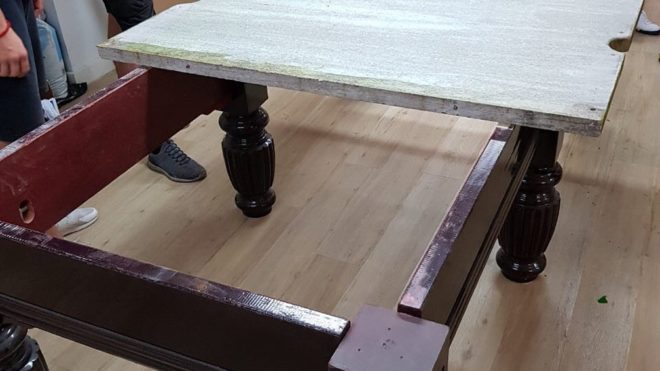
The average pool table weighs between 600 and 1,000 pounds. Each piece of slate alone can weigh over 200 pounds, and many tables use three separate pieces. Beyond the weight, every table is carefully leveled and balanced for perfect play. Even a slight tilt can change how the balls roll, how shots bank, and whether the game feels “right.”
In NYC, everything from architecture to building policies makes this process harder. Narrow doorways, steep stairs, small elevators, and strict move-out windows are only the beginning. You’re also dealing with limited street parking, neighbors above and below you, and building rules that may restrict when and how you can move heavy items.
For these reasons, moving a pool table in New York is a specialized job that calls for professionals with the right tools, insurance, and experience. The goal isn’t just to relocate the table, but to preserve its performance and protect your home in the process.
The Main Challenges of Moving a Pool Table in NYC Apartments
From tight hallways to building paperwork, NYC presents a unique set of obstacles for pool table moves. Below are the most common challenges professionals deal with every day — and why they matter for your move.
Tight Hallways and Narrow Doorways
New York apartments are known for limited space. Doorways often measure less than 30 inches, and hallways are rarely more than three feet wide. This makes maneuvering large or heavy furniture extremely difficult, especially when it needs to be carried at specific angles.
A pool table’s frame or slate panels cannot simply be pushed through small openings. Attempting to do so without planning risks scratching the walls, damaging the table, breaking a corner, or getting stuck in a hallway — which can stop the move entirely.
How professionals solve this problem:
- Movers measure doorways, hallways, and corners in advance to plan an exact route.
- They protect walls and door frames with thick padding and corner guards.
- If needed, they remove doors from hinges or temporarily remove barriers to create extra clearance.
- Each piece is carried at precise angles and heights to prevent unnecessary contact with walls or ceilings.
This detailed preparation ensures the pool table moves smoothly without damaging either the building or the table itself, even in especially tight pre-war apartments.
Staircases and Walk-Up Apartments
Walk-ups are one of the biggest obstacles for NYC moves. Many buildings have narrow staircases, sharp turns, or uneven steps. Carrying hundreds of pounds of slate up several flights safely requires both experience and coordination, plus the right equipment.
Trying to move a pool table up or down stairs without professional help can cause serious injury or damage to the property. One misstep can lead to cracked slate, dented railings, or even a dropped section.
How professionals handle it:
- Movers use lifting straps, slate dollies, and multi-person carrying systems to share the weight evenly.
- Spotters are positioned on each landing to guide movement and prevent accidents.
- Protective mats and runners are placed on stairs to avoid scratching or chipping surfaces.
- For especially tight spaces, professionals may hoist large pieces through windows using cranes or pulley systems.
These strategies combine safety and efficiency, allowing even walk-up apartments to be serviced without damage or delay.
Freight Elevator Restrictions and Limited Access
Freight elevators are often thought to make moving easier, but in NYC they can present their own set of challenges. Many elevators are too small to fit pool table parts comfortably or have strict reservation rules and time limits. Some share space with service staff and deliveries, causing additional congestion.
Many buildings require padding on elevator walls, limit the hours for moving, or need proof of insurance before granting access. If these details aren’t managed correctly, movers may arrive only to find the elevator unavailable.
How professionals manage this challenge:
- They contact the building’s management before moving day to book specific time slots.
- Elevator measurements are confirmed to ensure all components will fit safely.
- Movers bring protective materials and comply fully with building rules to avoid fines or complaints.
- If an elevator cannot be used, alternate routes such as stairways or exterior lifts are prepared in advance.
By coordinating directly with management, professionals avoid unexpected delays and ensure compliance with all building requirements.
Building Regulations and Certificates of Insurance
Most apartment buildings in NYC require movers to provide a Certificate of Insurance (COI) before allowing any heavy lifting or equipment on the property. This protects both the resident and the building in case of accidental damage to hallways, elevators, or common areas.
Without a COI, moves can be canceled at the last minute, leaving residents stuck with a table that cannot legally be moved in or out.
How professionals overcome this:
- The moving company prepares and submits the COI directly to building management.
- Certificates are customized to match the building’s exact requirements, including coverage amounts and named insured parties.
- Movers coordinate timing and approval with management before the scheduled move so everything is cleared in advance.
Professional movers who work in NYC handle COIs frequently, so they know exactly what each property needs. This prevents last-minute issues and ensures smooth, compliant access.
Parking and Street Access
Parking is a constant struggle in New York City, especially for moving trucks. Streets are crowded, loading zones are limited, and double-parking can lead to costly tickets or towing. For pool table moves, the truck needs to be reasonably close to the entrance because of the weight and fragility of the pieces.
Without proper parking, movers may have to carry heavy pieces a long distance from the truck to the building, which increases the risk of damage, accidents, or delays.
How professionals deal with parking challenges:
- Movers scout the area in advance to identify legal and safe parking options.
- They schedule moves for early mornings or mid-days when traffic is lighter and curb space is more available.
- Some companies apply for temporary permits from the NYC Department of Transportation to reserve a loading space.
- The crew works efficiently to minimize the amount of time spent loading and unloading on the street.
This careful coordination prevents unnecessary stress and keeps the move running on schedule, even in busy neighborhoods.
Protecting Floors, Walls, and Neighbors
In New York’s dense apartment buildings, every move has the potential to affect neighbors. The sound of dragging furniture or the thud of a heavy slate can cause noise complaints or, worse, physical damage to walls, floors, and ceilings. Limited sound insulation in many buildings makes noise a real concern.
Older pre-war apartments are especially fragile, with plaster walls and wood flooring that can dent, crack, or scratch under pressure.
How professionals protect the property:
- Movers use thick floor runners, rubber mats, and corner guards throughout the path of travel.
- Walls and doorframes are covered with protective padding to prevent scuffs, dents, and chips.
- The crew works quietly and carefully, communicating throughout to avoid mistakes and sudden impacts.
- Before reassembly, movers assess the stability and condition of the floor to ensure the table is placed safely.
This approach safeguards both your investment and your home, maintaining good relationships with neighbors and building management.
Weight Distribution and Floor Support
Once the pool table is inside the apartment, its weight becomes the next concern. A heavy table can put immense pressure on a relatively small area of flooring. Over time, this can lead to sagging or subtle movement that affects play. In older buildings, uneven or weak subfloors might not support that load comfortably.
How professionals address it:
- Movers evaluate the structural support and condition of the intended room before installation.
- They recommend placing the table near load-bearing walls or over stronger areas of the floor when possible.
- Rubber pads or reinforced floor plates are installed under the legs to spread pressure evenly and protect flooring.
These adjustments help protect the table from sagging, reduce unwanted vibrations, and preserve the integrity of your floor.
NYC Weather and Environmental Conditions
The city’s unpredictable weather adds another layer of complexity. Rain, snow, humidity, or extreme temperatures can all affect the table’s wood, felt, and slate. Even short exposure to moisture can cause subtle issues that show up later as warping, swelling, or loose felt.
If slate or felt absorbs moisture during a move, it can cause swelling, shrinkage, or even mold growth — particularly if the table is stored temporarily in a damp space.
How professionals protect against weather damage:
- Movers use waterproof coverings and climate-controlled vehicles for transport whenever possible.
- If it is humid or raining, they wrap slate and wood components in moisture barriers and sealed blankets.
- During colder months, movers allow the materials to acclimate to indoor temperature before reassembly to prevent condensation and expansion.
With these measures, your table stays protected from weather-related warping or damage, no matter the season or forecast.
Reassembly and Leveling in Small Spaces
Even after the pool table is inside, reassembly in a tight NYC apartment can be tricky. A standard table requires several feet of clearance on each side to stretch felt, secure rails, and align the slate perfectly. Working in cramped conditions can make precision more difficult if the crew is not experienced.
How professionals handle small-space reassembly:
- Movers map out the layout in advance to confirm there is enough room to work and play around the table.
- Precision leveling tools, such as machinist’s levels, are used to achieve perfect balance even on slightly uneven floors.
- If necessary, they assemble the table in stages, rotating or repositioning it carefully as they progress.
The result is a fully functional, perfectly leveled table that fits beautifully within your living space and offers ideal cue clearance for actual play.
Timing and Coordination in a Busy City
New York’s pace means timing matters. Freight elevators are often available only during limited hours, and heavy traffic can delay arrival or departure. Construction detours, street closures, or special events can also interfere. Poor timing can disrupt the entire move and may even result in building penalties.
How professionals keep everything on track:
- Movers coordinate directly with building management to secure approved time slots for both pickup and delivery.
- Teams are dispatched in synchronized order to ensure smooth loading and unloading within those windows.
- Schedules are adjusted dynamically to account for traffic, weather, or construction updates.
This level of coordination ensures every part of the move happens within the planned window, avoiding building fines, unnecessary waiting, or rescheduling delays.
The True Risk of DIY Pool Table Moving in NYC
Many residents assume that moving a pool table themselves will save money, but in New York, that decision can be costly. One small mistake — a cracked slate, scratched wall, or dropped rail — can lead to expensive repairs that quickly exceed the cost of hiring professionals.
DIY movers also risk serious personal injury. Pool tables are heavy, awkward, and require precise handling techniques. Without experience or equipment, it’s easy to lose control, slip on stairs, or misjudge a turn in a narrow hallway.
Professional movers not only have the strength and training but also carry insurance that protects both your property and your peace of mind. When you factor in time, risk, and potential damage, DIY often becomes the most expensive option in the long run.
How Professionals Conquer NYC’s Pool Table Moving Challenges
The secret to a successful NYC pool table move is planning and experience. Professional movers know how to adapt to every possible scenario, from old brownstones with tight staircases to new luxury towers with strict management policies.
Here’s what they bring to the table:
- Comprehensive on-site inspections before moving day to identify all potential obstacles.
- Full coordination with property managers and building staff to secure approvals, elevator times, and COIs.
- Custom tools, protective equipment, and specialized vehicles designed for heavy, delicate items.
- Skilled crews who understand disassembly, safe transport, precise reassembly, and leveling.
- Insurance coverage for every stage of the process, providing financial protection and peace of mind.
Every step is handled with care, professionalism, and respect for both your table and your home. Instead of worrying about each challenge, you can rely on experts who solve them every day.
Final Thoughts: Experience Makes the Difference
Moving a pool table in NYC is not a simple task — it is an exercise in patience, planning, and precision. The city’s buildings, streets, schedules, and regulations all add layers of complexity that only trained professionals can navigate successfully.
Whether you live in a fifth-floor walk-up, a historic brownstone, or a high-rise apartment, the challenges may vary, but the solution is always the same: experienced movers who know the city and understand the craft of pool table handling.
If you are preparing to move a pool table in NYC, choose professionals who can manage every challenge safely and efficiently. Request a quote today and enjoy complete confidence knowing your table will be handled with precision, care, and expertise.