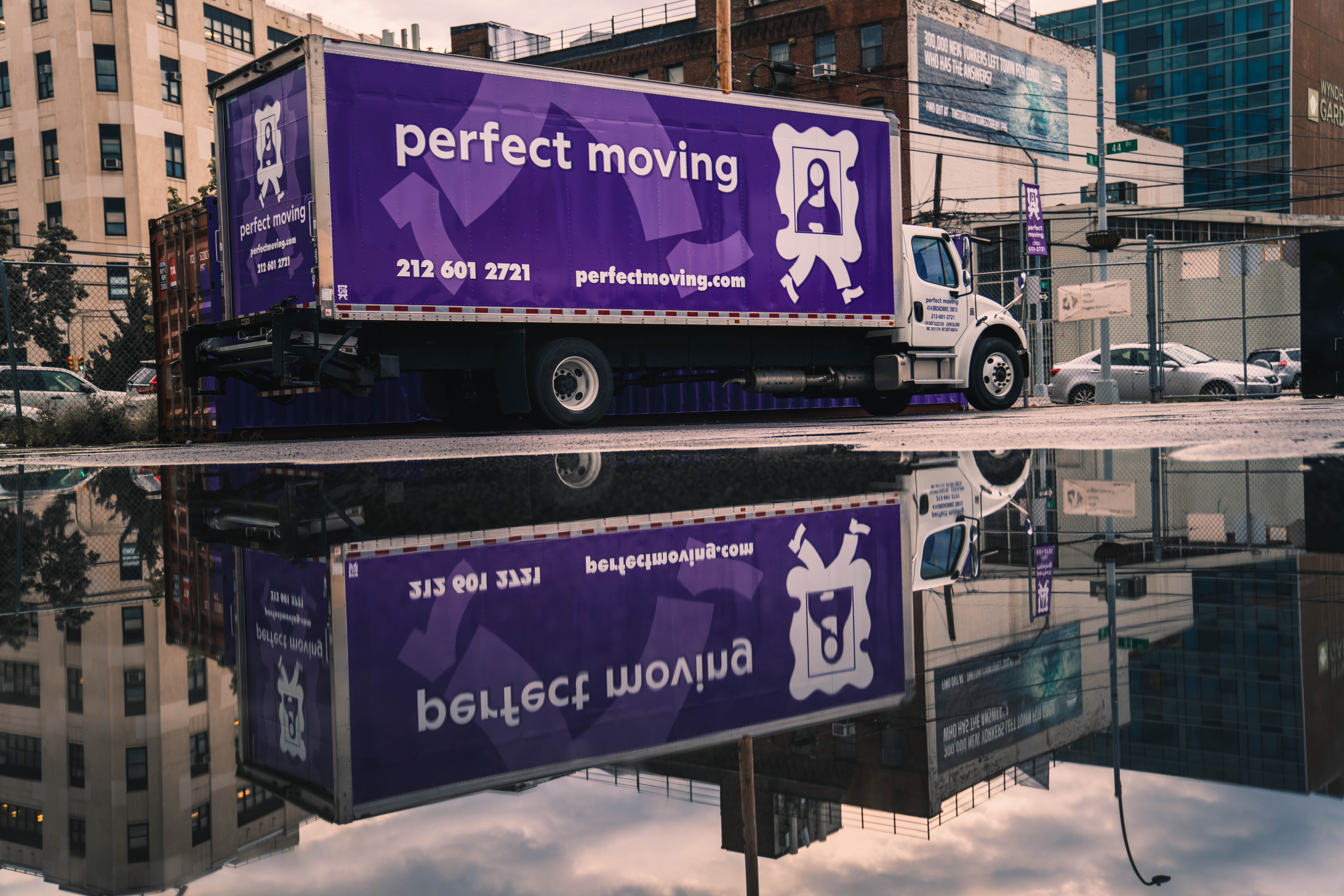

Navigating NYC Parking Rules When Moving
Why Parking Makes or Breaks a Move in NYC
Moving in New York City is tough enough with packing, staircases, and building rules. Add parking into the mix, and it becomes one of the most stressful aspects of the entire process. Unlike suburban areas, NYC rarely offers convenient curbside parking right outside your door. Instead, movers face crowded streets, overlapping regulations, and limited space for trucks.
One wrong decision — like stopping in a “No Standing” zone — can result in a $115 ticket, or worse, your moving truck being towed. These headaches add time, cost, and frustration to what is already an overwhelming day.
The good news? By learning NYC’s parking rules and preparing in advance, you can significantly reduce the risks and give your movers the access they need to work quickly and safely.
Essential Tips for Navigating Parking During an NYC Move
Understanding NYC Parking Regulations
NYC parking rules are notoriously complicated. Restrictions vary by borough, neighborhood, block, and even by time of day. For movers, parking isn’t simply about finding a spot — it’s about making sure it’s legal and safe for loading.
The most common rules movers face include:
- No Standing zones: No stopping except for active passenger drop-off. Movers cannot load or unload here.
- No Parking zones: Loading and unloading permitted, but the truck cannot be left unattended.
- Commercial loading zones: Specific hours only. Outside of those hours, trucks may be ticketed.
- Metered parking: Technically allowed but most meters aren’t suited for large trucks.
- Alternate-side parking: Specific cleaning hours when parking is prohibited.
Example: In Brooklyn Heights, a moving truck parked during alternate-side hours not only received a ticket but also blocked a street sweeper — resulting in complaints and added fines.
Pro Tip: Always read posted signs carefully. NYC often combines multiple restrictions on a single pole, and missing even one line can lead to violations.
Do Movers Need a Permit in NYC?
In many cases, yes. Parking permits are one of the most misunderstood parts of NYC moving, yet they can make or break the entire process.
When you may need a permit:
- Your movers must park on a busy residential or commercial street.
- Curb space is limited and must be reserved in advance.
- Your move requires access to restricted locations such as bus lanes.
How permits work:
- Temporary moving permits can be obtained through the NYC Department of Transportation.
- Applications require exact date, time, and location details.
- Permits must be requested several business days in advance.
Pro Tip: Ask your movers if they handle parking permits. Many experienced NYC companies manage the paperwork for you.
Common Mistakes People Make With Parking
Parking mistakes during a move are extremely common — and extremely costly. DIY movers and inexperienced companies often underestimate how aggressively NYC enforces parking rules.
Top mistakes include:
- Parking “just for a minute” in a No Standing zone.
- Forgetting alternate-side rules and receiving unexpected tickets.
- Leaving the truck unattended where a driver must remain present.
- Failing to reserve curb space and forcing movers to park blocks away.
Real-life scenario: A DIY mover in Manhattan parked next to a hydrant thinking it would be a quick stop. A single officer issued a $180 ticket and forced the mover to relocate.
How Professional Movers Handle Parking in NYC
One of the biggest advantages of hiring experienced NYC movers is their expertise with parking logistics. They know which areas fill up fastest, which blocks have more lenient rules, and how to work efficiently in tight or heavily regulated spaces.
Strategies professional movers use:
- Arriving early, often before rush hour, to secure the best curb space.
- Timing moves around alternate-side parking schedules.
- Keeping a team member stationed at the truck at all times.
- Using smaller vans in tight neighborhoods where trucks can’t fit.
- Applying for temporary parking permits when necessary.
Example: Movers arriving to a Midtown high-rise early were able to secure a loading dock and avoid ticketing during patrol-heavy hours.
Pro Tip: Many movers factor the cost of occasional tickets into their pricing, protecting clients from surprise charges.
DIY Moving and Parking Challenges
Renting a U-Haul or moving van may seem cost-effective, but navigating NYC parking without professional help can be overwhelming.
Challenges DIY movers face:
- Circling the block for an hour searching for parking.
- Getting blocked in by double-parked vehicles.
- Parking far from the building and increasing carry distance.
- Receiving multiple tickets in a single move.
Solutions:
- Scout parking options the day before your move.
- Have someone remain with the truck at all times.
- Rent smaller vehicles that fit standard parking spaces.
Pro Tip: DIY moves in Manhattan carry the highest risk. Hiring professionals often saves money in the long run when tickets and delays are factored in.
Tips for Avoiding Tickets and Delays
Avoiding tickets completely is tough, but certain strategies greatly reduce the risk and help keep your move on track.
Best practices include:
- Start your move early in the morning for better curb availability.
- Avoid rush hour when traffic and enforcement are heaviest.
- Check both sides of the street — one may have fewer restrictions.
- Coordinate with building management to reserve curb space.
- Set aside a small budget for potential parking fines.
Example: Movers in Queens coordinated with a superintendent who placed cones to hold curb space, helping the move finish ahead of schedule.
Building-Specific Considerations
Even with street parking available, buildings often have separate moving rules that must be followed to avoid delays.
Questions to ask your building management:
- Is there a designated loading dock, and how do you reserve it?
- Are there restricted hours for truck arrivals?
- Does the building require a Certificate of Insurance (COI)?
- Will a doorman or porter be available to coordinate elevator usage?
Pro Tip: Share building rules with your movers early so they arrive prepared with the correct paperwork and equipment.
Plan Parking Like You Plan Packing
In New York City, parking is not just a detail — it’s one of the most critical parts of moving day. Misunderstanding the rules can cost you money, time, and peace of mind. By learning the regulations, securing permits when needed, avoiding common mistakes, and partnering with professional movers who understand the city, you can dramatically reduce stress.
Don’t let parking ruin your move. Perfect Moving & Storage specializes in navigating NYC’s toughest challenges — from alternate-side rules to loading docks. Request a quote today and let the city’s top-rated movers handle the details for you.

Pay close attention to:
- No Standing zones: You cannot load or unload here.
- No Parking zones: Loading is allowed, but the truck cannot be left unattended.
- Commercial loading zones: Only valid during posted hours.
- Metered parking: Allowed, but trucks must fit without blocking additional spaces.
- Alternate-side parking: Violations result in guaranteed fines.
Always read every line on the posted sign — NYC often stacks multiple rules on a single pole.