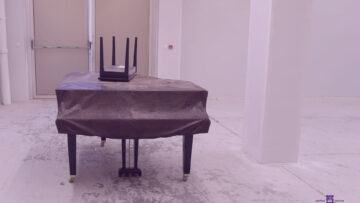

Step-by-Step Guide to Preparing Your Piano for a Move
A piano isn’t just another piece of furniture; it’s a masterpiece of engineering, precision, and emotion. Whether you own a vintage upright that’s been in the family for decades or a sleek grand that dominates a living room, moving it requires far more than brute strength and a few extra hands.
If you live in New York City, preparing your piano for a move is even more important. Tight staircases, busy elevators, and unpredictable weather can all complicate the process, even when professionals are involved. The better prepared your piano and home are, the smoother and safer the entire move will be.
In this comprehensive guide, you’ll learn everything about preparing your piano for a move in NYC, including practical steps, what to expect from professional piano movers, and how to protect your instrument before and after the move.
Why Preparation is So Important
Most piano owners underestimate how fragile their instrument truly is. A piano can contain over 12,000 individual parts, many of them small, sensitive, and perfectly balanced. Even minor bumps, sudden tilts, or temperature changes can cause damage that affects tone, tuning stability, and overall playability.
Preparation minimizes those risks by reducing unnecessary movement, protecting vulnerable surfaces, and making it easier for movers to do their job efficiently. A well-prepared piano is faster to secure, safer to transport, and less likely to suffer cosmetic or internal damage.
Preparation ensures:
- Your piano’s finish remains flawless and scratch-free.
- The internal mechanics stay stable during movement.
- Movers can complete the job efficiently and safely.
In NYC, where most buildings have tight turns, freight elevator limits, or multiple stairs, proper preparation isn’t just helpful—it’s essential. It prevents costly mistakes, helps moves stay on schedule, and ensures your piano’s arrival is smooth and worry-free.
Step-by-Step Preparation Checklist
The following sections walk you through exactly how to prepare your piano and your space before professional movers arrive. You’ll handle the simple but important preparation tasks; the movers handle the technical, specialized work.
Schedule an Assessment with Professional Piano Movers
The first step should always be calling professional piano movers in NYC for an on-site or virtual assessment. This helps you understand exactly what your move will require and gives movers the details they need to prepare the right team and equipment.
During the assessment, movers will:
- Measure doorways, staircases, and elevator dimensions.
- Evaluate the piano’s type, size, and age.
- Determine the safest path through your building.
- Discuss insurance and COI (Certificate of Insurance) requirements.
- Identify any equipment or manpower needed, such as a hoist or skid board.
An accurate assessment allows movers to anticipate challenges like tight corners or elevator restrictions before moving day. This ensures efficiency, accuracy, and safety throughout the entire process.
Clean and Dust the Piano
Before wrapping, give your piano a light but thorough cleaning. Dust and debris can scratch the finish when pressed under padding or blankets, and moisture trapped beneath covers can dull or damage the wood.
Cleaning an Upright Piano
- Use a dry microfiber cloth to wipe the cabinet, keys, and back.
- Clean between keys gently with a slightly damp cloth.
- Never use chemical cleaners or polish; they can damage the finish.
- Avoid applying moisture directly to the wood.
Cleaning a Grand Piano
- Close and lock the lid before cleaning.
- Use a microfiber cloth to dust the top, sides, and legs.
- Remove fingerprints with a lightly dampened, soft cloth.
- Polish pedals and brass components using a dry cloth.
A clean surface helps padding materials grip properly and prevents abrasive particles from scratching the finish.
Secure All Loose Components
Pianos contain moving parts that can shift, rattle, or open unexpectedly if not properly secured.
For Upright Pianos
- Close and lock the keyboard cover.
- Remove all items from the top of the piano.
- Secure the fallboard with painter’s tape or soft ties.
- Ensure pedals are stable and unobstructed.
For Grand Pianos
- Lock the lid if possible.
- Remove all accessories such as books or humidifiers.
- Detach the piano bench and wrap it separately.
- Clear surrounding space for safe disassembly.
Completing these tasks before movers arrive saves time and ensures safer handling.
Document the Piano’s Current Condition
Take photos to document the piano’s condition prior to the move. This protects you and simplifies any insurance claim should something go wrong.
What to Photograph
- All sides of the piano, including legs and pedals.
- Close-ups of any scratches, chips, or worn areas.
- Serial number and manufacturer label.
- Keys, lid, and decorative hardware.
Store your photos in a cloud folder or phone for easy access.
Prepare a Clear Path for the Movers
Even the best movers need room to maneuver a large, delicate instrument safely.
How to Prepare the Pathway
- Remove rugs, décor, and furniture along the route.
- Prop open doors and secure them from swinging.
- Protect floors with cardboard or non-slip coverings.
- Reserve elevators in advance if needed.
- Keep pets and children away from the moving area.
For walk-ups, ensure stairways are free of clutter and well-lit.
Address Climate and Timing Factors
Temperature and humidity can affect your piano’s wood and internal components. NYC experiences extreme shifts between seasons, making climate management important.
Preparation Tips for Climate
- Avoid scheduling moves during extreme heat or cold when possible.
- Request climate-controlled trucks for long-distance moves.
- Keep the piano away from vents, sunlight, and drafts after arrival.
- Maintain indoor humidity between 40% and 50%.
Professional movers minimize exposure time and use insulated trucks when needed.
Understand What Movers Will Do
Knowing what to expect helps you prepare your home and understand why hiring piano specialists is essential.
For Upright Pianos
- Movers wrap the piano in layers of padding.
- Corners, pedals, and the keyboard receive extra protection.
- The piano is placed on a dolly and secured for safe rolling.
- It is strapped tightly in the truck to prevent shifting.
For Grand Pianos
- Movers remove the legs, lyre, and pedal assembly.
- Each piece is wrapped, labeled, and transported separately.
- The piano body is placed on a padded skid and strapped down.
- Hoisting may be used for tight stairways or small elevators.
These steps illustrate why piano moving is a specialized skill, not general labor.
Double-Check Details the Day Before the Move
A final walkthrough ensures everything is ready and avoids delays.
Pre-Move Checklist
- Confirm arrival time with your movers.
- Ensure building management has all required COIs.
- Re-clear pathways and remove last-minute clutter.
- Protect wall corners with foam or towels.
- Verify truck parking or loading zone instructions.
- Create space near the entrance for movers’ equipment.
These final checks ensure a smooth, efficient start on moving day.
After the Move – Help Your Piano Adjust
Once delivered, your piano needs time to acclimate to its new environment. Temperature and humidity shifts can temporarily affect tuning and tone.
Post-Move Care Instructions
- Allow the piano to rest for 24–48 hours.
- Keep it in a stable, climate-controlled room.
- Avoid drafts and direct sunlight.
- Schedule tuning about one week after the move.
- Monitor humidity regularly for best sound quality.
Extra Preparation Tips for Upright and Grand Owners
For Upright Piano Owners
- Always lift from the base, never from the back.
- Avoid leaning the piano against walls for extended periods.
- Use caster cups to protect floors in your new home.
- Check and tighten bolts or hinges after the move.
For Grand Piano Owners
- Keep the lid closed whenever possible.
- Ensure the piano sits on a flat, stable surface.
- Avoid small rugs that could shift under the legs.
- Consider installing a humidity control system.
These extra precautions protect your piano’s appearance and performance.
Why Professional Piano Movers Are Essential
Even with thorough preparation, piano moving is not a DIY job. The weight, fragility, and complexity of pianos require expert hands, especially in a city as challenging as New York.
Professional movers offer:
- Specialized equipment such as skids, straps, and hoists.
- Training in piano mechanics, balance, and handling.
- Full insurance coverage for peace of mind.
- Experience with NYC’s tight layouts, traffic, and building rules.
Perfect Moving & Storage combines all of this with a flawless reputation and a 100% satisfaction guarantee. With more than 3,000 five-star reviews, their team consistently delivers expert, damage-free piano moves across NYC.
Ready to Prepare for Your Move?
Preparing your piano properly makes the difference between a stressful move and a seamless, protected experience. By cleaning, securing, documenting, and clearing the way for your movers, you’re ensuring the safety of your instrument from the very first step.
If you want your piano handled with precision and care, contact Perfect Moving & Storage today. Their expert piano movers will guide you through every stage—from preparation to safe delivery—so your piano arrives ready to play, perfectly protected and preserved.
Your piano deserves to be moved with experience, dedication, and care. Make your next move perfect.