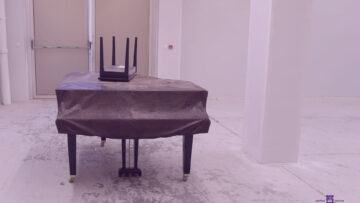

Upright vs. Grand Piano Moving: What’s the Difference?
Not all pianos are created equal. Upright and grand pianos may both produce beautiful sound, but when it comes to moving them, they exist in two completely different categories. Each piano has its own center of gravity, structural design, and sensitivity level, which means the moving process must be adapted carefully to protect the instrument, the property, and everyone involved in the move.
In a city like New York—where every doorway, hallway, staircase, and elevator presents its own challenge—understanding the difference between upright vs. grand piano moving helps you appreciate why professional piano movers are worth every penny.
Why Upright and Grand Pianos Require Different Moving Strategies
Upright and grand pianos may both weigh hundreds of pounds, but their shapes, internal mechanics, and structural layouts make them dramatically different to move. These differences impact everything: the equipment used, the number of movers required, the way the piano is lifted, and the sequence of the move itself.
An upright piano is more compact, with vertical strings and a soundboard contained in a tall rectangular frame. It’s ideal for apartments because it can fit through narrow hallways and tight corners with proper handling.
A grand piano, however, has a long horizontal body supported by three legs and a wide lid. Its soundboard and strings run lengthwise, making it much wider and more fragile. Grand pianos often cannot fit through doorways or around corners without careful disassembly.
Professional movers evaluate each instrument’s weight distribution, fragile components, and dimensions before planning the route. For example, while an upright can often be moved intact, a grand piano almost always requires leg removal, pedal disassembly, and specialized crating.
Even navigating the path to and from the moving truck is different. In NYC, a grand piano may require hoisting through a window or balcony when stairs or hallways are too tight. These moves demand specialized equipment and a coordinated, experienced team.
Upright vs. Grand Piano: A Clear Comparison
Here’s how the two types differ in structure, handling, and cost when moving in New York City:
| Feature | Upright Piano | Grand Piano |
|---|---|---|
| Average Size | 43 to 60 inches tall, compact shape | 4 to 9 feet long, wide horizontal body |
| Average Weight | 300 to 800 pounds | 500 to 1,200 pounds or more |
| String Orientation | Vertical | Horizontal |
| Center of Gravity | Evenly balanced between base and back | Weighted heavily on one side (harp and strings) |
| Ease of Movement | Easier to maneuver through small spaces | Requires disassembly and multiple movers |
| Common Equipment | Dollies, straps, padded covers | Piano skids, ramps, padding, cranes or hoists |
| Handling Team | 2 to 3 movers | 3 to 5 movers minimum |
| Starting Cost in NYC | Around $450 | Around $750 to $850 |
| Preferred Moving Method | Upright lifting and rolling | Partial disassembly, horizontal lifting, secure reassembly |
While this chart outlines the main distinctions, each move must be customized based on building layout, piano condition, and accessibility. Now, let’s take a closer look at how each piano type is moved.
How Upright Pianos Are Moved
Upright pianos are popular in NYC because they fit easily against walls and inside smaller apartments. However, their weight and bulk still require professional handling. Even slight tilting or mishandling can cause costly damage to the soundboard or keys.
Initial Assessment
Professional movers begin by inspecting the piano and measuring doorways, hallway turns, staircases, and elevator interiors. They determine whether the piano can stay upright or must be tilted slightly to pass through certain areas.
Preparation and Wrapping
Movers secure the keyboard lid, remove any fragile accessories, and pack the piano in heavy-duty blankets and shrink wrap. Extra padding is added to the corners and back panel, which are especially vulnerable during turns.
Lifting and Transporting
Using a dolly or piano board, movers gently lift and angle the upright so its weight is balanced safely. When stairs are involved, movers use straps to distribute weight evenly, allowing controlled lifting without unnecessary strain.
Loading and Placement
The piano is guided up a ramp or onto a liftgate and secured inside a padded moving truck. Heavy-duty straps keep it from shifting during transport. Movers also protect surrounding items to prevent scratches or pressure against the piano’s exterior.
Although uprights are simpler than grands, their weight, height, and center of gravity make them dangerous to handle without training.
How Grand Pianos Are Moved
Grand pianos are elegant, powerful, and significantly more complex to move. Their long bodies and delicate internal components require an advanced moving process that prioritizes stability and precision.
Pre-Move Preparation
Movers inspect the piano model, dimensions, and condition. Grand pianos vary greatly—from petite baby grands to 9-foot concert grands. Movers also measure exits and assess whether stairways, elevators, or window hoisting will be needed.
Careful Disassembly
Before movement, professionals remove the piano’s legs, pedals, and lyre. The lid is secured and wrapped separately. Every piece is labeled, padded thoroughly, and handled with extreme care to prevent scratching or warping.
Securing the Body
The piano’s main body is lifted and placed gently onto a padded piano skid. This stabilizes the harp and soundboard while preventing pressure points. The instrument is tightly strapped to prevent movement during lifting and transport.
Transport and Protection
Depending on the building layout, movers may use hoists, cranes, or advanced rigging to move the piano safely. In NYC, hoisting through windows or balconies is common for multi-story buildings. Inside the truck, grand pianos ride in climate-protected, padded interiors to prevent humidity damage.
Reassembly and Positioning
At the destination, movers reattach legs, pedals, and other components. The piano is leveled for stability and placed exactly where the client wants it. Professionals often recommend waiting 24 to 48 hours for the piano to acclimate before tuning.
This detailed, multi-step process ensures your grand piano maintains its tone quality and structural integrity.
Why Grand Piano Moves Cost More
Because grand pianos require more equipment, labor, time, and preparation, their moving costs are naturally higher.
Reasons include:
- Disassembly and reassembly
- Larger team required
- Hoisting or cranes for tight stairways or narrow hallways
- Extra padding and protective materials
- Higher risk and increased insurance needs
- Longer loading, transport, and setup time
Every added step ensures the piano remains safe from room to truck to final placement.
Common Mistakes to Avoid When Moving Either Piano Type
Moving a piano requires precision, not improvisation. Even small mistakes can cause expensive damage to the internal structure or surrounding property.
Common mistakes include:
- Attempting to move the piano without removing delicate parts
- Tilting the piano too far and disrupting internal alignment
- Forgetting to lock or protect the keyboard lid
- Using regular blankets instead of professional padding
- Dragging the piano rather than lifting or rolling properly
Professional movers avoid these issues through planning, experience, and the right equipment.
How Perfect Moving & Storage Handles Upright and Grand Pianos
Perfect Moving & Storage is NYC’s highest-rated piano moving company because of its commitment to safety, precision, and customer satisfaction. Every piano move follows a structured protocol tailored to the instrument and the environment.
Their approach includes:
- Personalized planning with detailed measurements and assessments
- Specialized equipment such as skids, ramps, dollies, hoists, and custom padding
- A trained, coordinated team skilled in both upright and grand piano handling
- Comprehensive insurance coverage for total peace of mind
- Careful placement and positioning at the destination
Whether it’s a modest upright or a full concert grand, every piano is treated like a priceless instrument.
Caring for Your Piano After the Move
Once relocated, your piano needs time to adjust to its new environment. Temperature and humidity shifts can temporarily affect tuning and responsiveness.
Post-move care tips include:
- Letting the piano rest for 24 to 48 hours before tuning
- Keeping it away from direct sunlight, radiators, and heating vents
- Maintaining humidity levels between 40% and 50%
- Scheduling a professional tuning after acclimation
These simple steps ensure your piano stays in peak condition.
Why Professional Expertise Matters
Many people underestimate the complexity of piano moving. It’s not just heavy lifting—it’s engineering, coordination, and an understanding of craftsmanship. Professionals know how to angle, lift, stabilize, and transport the instrument safely in the tightest NYC environments.
Perfect Moving & Storage has earned over 3,000 five-star reviews by handling pianos with unmatched care and precision. Each move is fully insured, carefully executed, and backed by a 100 percent satisfaction guarantee.
Ready to Move Your Piano Safely?
Whether you’re moving an upright across the street or a grand piano across boroughs, Perfect Moving & Storage provides the expertise, equipment, and precision required for a flawless move.
Request a quote today and experience why New Yorkers trust Perfect Moving & Storage for reliable, expert upright and grand piano moving services.
Your piano deserves expert hands, professional care, and a move that’s truly perfect.