
Top Mistakes to Avoid When Planning a Residential Move in NYC
Planning a residential move in New York City is not forgiving. Small mistakes can lead to missed move windows, building fines, damaged belongings, and serious stress on moving day. Many New Yorkers only realize what went wrong after it is too late to fix it.
What makes NYC especially challenging is how quickly problems compound. A single oversight can trigger delays, added labor charges, or even denied building access. This guide breaks down the most common mistakes people make when planning a residential move in NYC and explains how to avoid them before they cost you time, money, and peace of mind. These residential moving tips NYC residents rely on will help you plan smarter and move with confidence.
Mistake 1: Underestimating How Long an NYC Move Takes
One of the most common and costly mistakes New Yorkers make is assuming their move will take less time than it actually does. In NYC, even a short-distance residential move can stretch far beyond expectations due to elevators, staircases, building access restrictions, and traffic congestion. When timelines are underestimated, everything else suffers, including packing quality, mover efficiency, and overall cost control.
Because most NYC movers bill by time, underestimating duration almost always leads to higher final costs. It also creates unnecessary pressure on moving day, increasing the risk of mistakes and damage.
Moves often take longer due to:
- Waiting for elevators
- Walk-up staircases
- Traffic congestion
- Parking challenges
- Poor packing preparation
Planning with realistic timelines reduces stress, protects belongings, and keeps costs predictable.
Mistake 2: Not Understanding Building Rules and Requirements
Many residential moves in NYC fail before they even begin because residents do not fully understand their building’s moving policies. Buildings often enforce strict rules designed to protect common areas, and missing even one requirement can stop a move in its tracks. Unfortunately, these rules are rarely flexible.
When access is denied due to missing paperwork or improper scheduling, movers may be forced to wait or leave entirely. This leads to wasted labor hours, rescheduling fees, and major disruptions to your moving timeline.
Common requirements include:
- Certificates of Insurance
- Elevator reservations
- Approved move dates and hours
- Protective padding for common areas
- Super or building manager coordination
Handling these requirements in advance ensures your move proceeds smoothly and avoids costly last-minute surprises.
Mistake 3: Waiting Too Long to Book Movers
Waiting until the last minute to book movers is one of the most avoidable mistakes in NYC. The city has constant demand for moving services, and the most experienced, highly rated movers book up quickly. When you wait too long, your options shrink and your leverage disappears.
Late booking often forces residents to accept inconvenient time slots, higher prices, or movers with limited NYC experience. This increases the risk of delays and poor service on moving day.
Peak moving times include:
- End of the month
- Weekends
- Summer months
- Holidays
Booking early gives you control over scheduling, pricing, and service quality, making it one of the smartest residential moving tips NYC residents can follow.
Mistake 4: Poor Packing and Overloaded Boxes
Packing mistakes are one of the biggest contributors to damaged belongings and delayed moves. Many people rush packing at the last minute, overload boxes, or fail to protect fragile items properly. These mistakes slow down movers and increase the risk of injury and breakage.
Poor packing does not just affect safety. It directly increases labor time, which means higher costs for time-based moves.
Common packing errors include:
- Overfilling boxes
- Mixing heavy and fragile items
- Failing to label boxes clearly
- Using poor-quality packing materials
Smart packing saves time, reduces damage, and makes unpacking far easier once you arrive.
Mistake 5: Not Measuring Furniture and Doorways
NYC apartments are notorious for narrow doorways, tight hallways, and staircases with limited clearance. Failing to measure furniture and access points before moving day often leads to stressful surprises that delay the entire move.
When furniture does not fit as expected, movers must disassemble items on the spot or find alternate routes. This increases labor time and raises the risk of damage to both the furniture and the building.
Problems caused by poor measurements include:
- Furniture that does not fit through doors
- Last-minute disassembly
- Delays while movers troubleshoot
- Increased labor time
Taking measurements in advance prevents unnecessary stress and protects your property.
Mistake 6: Assuming DIY Moves Will Save Money
DIY moves often look cheaper upfront, especially for small residential moves. However, NYC’s logistics quickly eliminate any perceived savings. Tight spaces, parking restrictions, and building rules make DIY moving far more expensive and risky than expected.
Without experience, small problems escalate quickly and lead to unexpected expenses that exceed the cost of hiring professionals.
Hidden DIY costs include:
- Truck rental overruns
- Parking tickets or towing
- Equipment rentals
- Physical injuries
- Damaged items
Professional movers offer predictability, making this one of the most important residential moving tips NYC residents can follow.
Mistake 7: Ignoring Parking and Street Access Issues
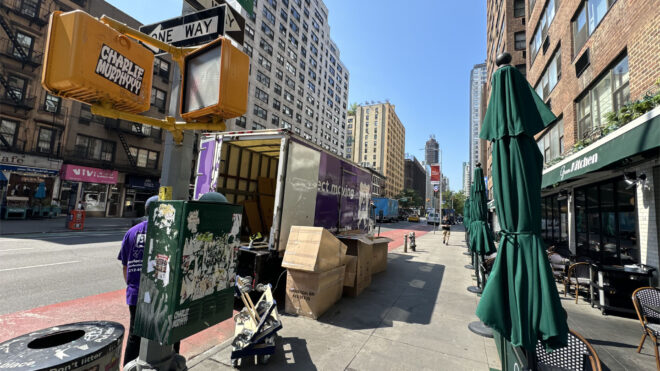
Parking is one of the most underestimated challenges of NYC moving. Without proper planning, moving trucks may be forced to park far away or risk tickets and towing. Every additional minute spent dealing with parking adds to labor costs.
Poor parking access also increases the physical strain on movers, which can slow down the entire operation.
Parking challenges include:
- No legal curb space
- Street cleaning schedules
- Permit requirements
- Traffic congestion
Planning parking and access ahead of time keeps your move efficient and avoids unnecessary fines.
Mistake 8: Forgetting About Storage Needs
Many residential moves involve timeline gaps that make direct delivery impossible. Lease overlaps, delayed closings, renovations, or downsizing often require temporary storage, yet many people fail to plan for it.
When storage is overlooked, residents are forced into rushed decisions that increase stress and costs.
Situations that often require storage include:
- Lease gaps
- Delayed closings
- Renovations
- Decluttering before moving
Perfect Moving & Storage offers full-service storage with pickup and delivery, allowing your move to stay flexible instead of rushed.
Mistake 9: Choosing Movers Based on Price Alone
Focusing solely on price is a common mistake that often backfires. Low quotes frequently hide fees related to stairs, heavy items, fuel, or extended labor time. What seems affordable upfront can quickly become expensive.
Choosing movers without transparency increases the risk of surprise charges, poor service, and damaged belongings.
Red flags include:
- Vague estimates
- Lack of licensing or insurance
- No clear communication
- Poor reviews
Quality service provides accountability, reliability, and long-term value.
Mistake 10: Not Having a Clear Moving Day Plan
Even with professional movers, a lack of organization can derail your move. Moving day requires structure to stay efficient, especially in NYC where time windows are limited.
When boxes are not ready or instructions are unclear, movers lose valuable time and costs increase.
A clear plan includes:
- Packed and labeled boxes
- Reserved elevators
- Accessible pathways
- Clear instructions for movers
Preparation ensures your move finishes on time and without unnecessary complications.
Key Takeaways
- NYC residential moves magnify small mistakes
- Realistic timelines prevent cost overruns
- Building rules must be handled in advance
- Packing and measurements save time and money
- Experienced movers prevent costly errors
Final Thoughts on Planning a Residential Move in NYC
Residential moving in NYC is challenging, but most problems are preventable with proper planning. Knowing which mistakes to avoid gives you a powerful advantage before moving day arrives.
By following these residential moving tips NYC residents rely on and working with experienced professionals, you protect your belongings, your schedule, and your peace of mind.
If you are planning a residential move in NYC or the surrounding tri-state area, professional guidance makes all the difference.
Request a personalized moving quote today and plan your NYC move the right way.
NYC moves take longer because building access, elevators, stairs, and traffic slow everything down.
Even short-distance moves can be delayed by waiting for elevator availability, navigating walk-up staircases, or dealing with street congestion and parking challenges. These factors compound quickly when timelines are underestimated.
When a move runs longer than planned, packing quality suffers and labor hours increase, which directly raises costs for time-based moves.
Planning with realistic time estimates helps reduce stress, protect belongings, and keep your final moving cost predictable.
Most NYC buildings have strict moving requirements that must be followed in advance.
Common rules include providing certificates of insurance, reserving elevators, moving only during approved hours, using protective padding in common areas, and coordinating with building staff or supers.
If even one requirement is missed, movers may be denied access or forced to wait, leading to wasted labor time and added expenses.
Handling building rules early ensures smooth access and prevents costly last-minute disruptions.
Booking movers early gives you better options, pricing, and scheduling control.
Experienced NYC movers book up quickly, especially during peak times like month-end, weekends, summer months, and holidays. Waiting too long often leaves you with limited availability or higher rates.
Late bookings can also force you into inconvenient time slots that increase stress and risk delays.
Early booking is one of the simplest ways to avoid unnecessary costs and service issues.
Poor packing slows movers down and increases the chance of breakage.
Overloaded boxes, mixed heavy and fragile items, weak materials, and unclear labeling all create inefficiencies during loading and unloading. These delays add labor time and raise your final bill.
Poor packing also increases injury risk for movers and damage risk for your belongings.
Smart, organized packing saves time, protects items, and makes unpacking far easier.
DIY moves in NYC often create hidden costs that outweigh any upfront savings.
Truck rental overruns, parking tickets, towing fees, equipment rentals, injuries, and damaged items quickly add up. Tight spaces and strict building rules make mistakes more expensive.
Without experience, small problems escalate into delays and added expenses.
Professional movers provide predictability, which often makes them the more cost-effective option in NYC.

