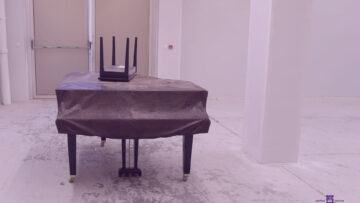

Your Complete Piano Moving Resource in NYC: Everything You Need to Know Before, During, and After the Move
In New York City, moving anything large is a challenge — but moving a piano is in a category of its own. Between tight hallways, steep walk-ups, unpredictable weather, and strict building policies, piano moving in NYC is a delicate balance of strength, planning, and expertise.
That’s why Perfect Moving & Storage created the Piano Moving in NYC blog series: to answer the questions piano owners ask most, reveal what really goes into a professional piano move, and help New Yorkers understand how to protect one of their most precious possessions.
Whether you own a baby grand that’s been in your family for generations or a studio upright in a fifth-floor walk-up, this comprehensive guide brings together the wisdom of all ten articles in the series. Together, they form a complete, trustworthy resource for anyone preparing to move a piano in the five boroughs — safely, efficiently, and with confidence.
Highlights from the Piano Moving in NYC Blog Series
Each article in the series tackles a specific stage or aspect of piano moving — from deciding whether to hire professionals to caring for your instrument after it’s settled in its new home. Think of this section as your roadmap: skim to see what matters most to you now, then dive into the full posts for step-by-step guidance and deeper insights.
Why You Should Always Hire Professionals for Piano Moving in NYC
The first article lays out a truth every piano owner should know: moving a piano yourself is never worth the risk. Pianos are not only heavy — often weighing between 300 and 1,200 pounds — but they’re also fragile on the inside, with thousands of interconnected parts that can easily shift or break under stress.
This piece explains the technical aspects of piano handling, from weight distribution and balance to how professional movers protect your home from scrapes, dents, and scuffs. It walks through what happens when a piano is lifted incorrectly, tilted too far, or bumped into a wall — and how even a seemingly minor mishap can crack casters, damage the soundboard, or misalign internal components.
You’ll also get a realistic comparison between professional fees and the potential cost of repairs or replacement when something goes wrong. In most cases, one serious mistake outweighs any savings from a DIY move.
Perfect Moving & Storage’s team is trained specifically in handling delicate and high-value instruments, using custom equipment, proven techniques, and full insurance coverage to guarantee safe, damage-free transport from door to door.
Call to action: If you’re considering a move, don’t take chances with your piano or your safety. Learn why professionals are the only choice. Read the full post: Why You Should Always Hire Professionals for Piano Moving in NYC.
The Hidden Challenges of Moving a Piano in NYC
Even seasoned movers admit that New York City’s architecture adds a layer of complexity to every job — and pianos amplify those challenges.
This article uncovers the logistical and environmental obstacles that piano movers face daily: narrow staircases in brownstones, historic pre-war buildings with tight corridors, freight elevator scheduling rules, service entrance restrictions, and the city’s constant parking and loading limitations. It explains why simply getting a truck close to your building can sometimes be an operation in itself.
You’ll also learn how NYC’s climate complicates things. Sudden temperature drops, humid summers, and icy sidewalks can all affect how a piano is moved, wrapped, and protected. The article shows how professionals adjust their strategy based on season, time of day, and neighborhood.
Professional piano movers conduct detailed pre-move assessments to anticipate and plan around these difficulties. They map out routes, measure doorways and stairwells, coordinate with building management, and plan for backup options if conditions change on the day.
Call to action: See the real reasons why piano moving in NYC is far from simple — and how the right team overcomes every obstacle. Read the full post: The Hidden Challenges of Moving a Piano in NYC.
How Much Does Piano Moving Cost in NYC?
This article tackles one of the most common questions piano owners ask: “How much does it cost to move a piano?”
While pricing can vary, the post helps readers understand what influences cost — including piano type, size, access points, number of stairs, hoisting requirements, distance traveled, and optional services like storage or post-move tuning. It clarifies the difference between flat-rate and hourly pricing and explains why genuinely professional movers provide detailed, transparent quotes instead of vague estimates.
You’ll also see how “cheap” options often hide risk: underinsured companies, untrained crews, or surprise add-ons for stairs and long carries. The article highlights how the cost of repairing a dropped or mishandled piano can easily exceed the original move price.
Perfect Moving & Storage’s transparent, flat-rate pricing model helps clients budget with confidence. Each quote is based on real information about your piano and location, so there are no surprise charges on moving day.
Call to action: Get clear on what affects piano moving costs and how to plan your budget the smart way. Read the full post: How Much Does Piano Moving Cost in NYC.
Upright vs. Grand Piano Moving: What’s the Difference?
Every piano type has unique moving needs. This article educates readers about the physical and logistical differences between upright and grand piano moves so you know what to expect for your specific instrument.
It explains how upright pianos, while more compact, are still complex due to their tall, top-heavy structure and vertical string orientation. Their weight is concentrated in the back, which affects how they’re lifted and secured. Grand pianos, on the other hand, require careful disassembly of legs, pedals, and lyre, wrapping of each component, and then securing the main body to a piano skid before being moved.
A helpful comparison table illustrates each piano type’s average weight, dimensions, and ideal handling method. The article also clarifies which situations might require hoisting equipment, additional manpower, or more time — for example, large grands in high-rise buildings or tight pre-war apartments.
Perfect Moving & Storage’s crews are trained to manage every piano variety — from compact studio uprights to full concert grands — with tailored methods and the same level of precision and care.
Call to action: Discover the key differences between upright and grand piano moves and see which approach fits your instrument best. Read the full post: Upright vs. Grand Piano Moving: What’s the Difference?.
Step-by-Step Guide to Preparing Your Piano for a Move
Preparation is the unsung hero of a successful piano move. This article provides a detailed, actionable checklist that helps homeowners get ready before movers arrive — saving time, reducing risk, and lowering stress.
Readers learn how to prepare the environment by clearing pathways, measuring doors, hallways, and staircases, and protecting flooring with appropriate coverings. The post explains how small details, like removing fragile décor from walls or securing loose rugs, can make a big difference on moving day.
You’ll also learn how to secure the piano itself: locking the keyboard lid, removing sheet music and accessories, wrapping benches, and ensuring kids and pets are safely out of the way. The article also touches on environmental preparation, such as setting a stable indoor temperature and knowing when to adjust humidifiers or dehumidifiers.
Perfect Moving & Storage’s experts emphasize that thorough preparation allows movers to focus entirely on safe handling and transport, rather than clearing obstacles as they go.
Call to action: Follow the expert-approved preparation steps that save time and stress. Read the full post: Step-by-Step Guide to Preparing Your Piano for a Move.
How to Move a Piano Safely in a Walk-Up Apartment
Few things test a mover’s skill like an NYC walk-up. This article offers an inside look at how professional piano movers navigate multi-story buildings without elevators — a reality for countless New Yorkers.
It details the specialized gear required, including skid boards, lifting straps, and stair-climbing techniques that maintain balance and protect both movers and instrument. You’ll see how professionals assess each staircase, measuring its width, turns, ceiling height, and landing size before deciding on a strategy.
The article also explains how movers manage fatigue and safety on long flights of stairs: using rest points on landings, maintaining constant communication, and assigning roles so everyone knows exactly what to do at each step.
For homeowners, this post provides peace of mind by illustrating how experienced teams like Perfect Moving & Storage handle even the most challenging walk-up locations safely and systematically.
Call to action: Living in a walk-up doesn’t have to mean stress. Learn how professionals move pianos through NYC staircases safely. Read the full post: How to Move a Piano Safely in a Walk-Up Apartment.
The Role of Special Equipment in Piano Moving
What makes professional piano moving different from regular moving? In one word: equipment.
This article gives readers a detailed overview of the specialized tools used to move pianos and explains how each one contributes to safety and precision. From padded dollies and piano skids to hoists, ramps, and adjustable straps, every piece of gear has a specific role in protecting both the piano and the property.
You’ll learn how climate-controlled trucks protect wood and strings during extreme heat or cold, and why vibration-reducing padding and proper tie-down systems are so important for tuning stability. The article also discusses when advanced solutions like cranes or window hoisting become the safest option.
Perfect Moving & Storage’s investment in premium, purpose-built equipment sets them apart. Their approach ensures that each move is efficient while minimizing vibration, humidity exposure, and impact risk from start to finish.
Call to action: Learn what tools make professional piano moving possible and why they matter for your piano’s safety. Read the full post: The Role of Special Equipment in Piano Moving.
Common Mistakes People Make When Moving a Piano Themselves
This article is an eye-opener for anyone tempted to move a piano without professional help.
It describes the most frequent DIY disasters: underestimating weight, using standard furniture dollies, failing to secure lids and benches, skipping proper wrapping, or trying to navigate stairs with too few people. The result can range from strained backs and jammed fingers to cracked finishes, broken legs, or damaged walls and floors.
The post also explains how even minor vibration and jolts can knock internal strings out of tune, shift the pinblock, or stress the soundboard — leading to costly tuning or repair work afterwards. Many owners don’t realize the damage until the piano is played in its new location.
By contrasting real-world examples of DIY mistakes with professional techniques, this article drives home a simple truth: experience and proper equipment save money, time, and injury.
Call to action: Don’t learn the hard way. Discover the most common DIY mistakes and how to avoid them. Read the full post: Common Mistakes People Make When Moving a Piano Themselves.
What Happens After the Move: Piano Tuning and Care
The journey doesn’t end once the piano is placed in its new home. This article explores the essential post-move steps that keep your piano sounding and performing its best.
It explains how environmental shifts during the move — changes in humidity, temperature, and placement in the room — can alter string tension and affect tuning. Readers learn why it’s important to let the piano acclimate for several days before calling a technician and how to maintain ideal indoor humidity afterward.
The post also covers general maintenance: safe cleaning methods, avoiding direct sunlight and heat sources, and scheduling regular tuning and regulation to protect tone and touch over time. You’ll gain a clear understanding of what “normal” post-move tuning drift looks like and when to call in a professional.
Perfect Moving & Storage goes beyond delivery by advising clients on proper post-move care and, when needed, connecting them with qualified tuning professionals they trust.
Call to action: Make sure your piano sounds just as good in its new home. Learn when and how to tune after a move. Read the full post: What Happens After the Move: Piano Tuning and Care.
Choosing the Right Piano Movers in NYC: A Complete Checklist
The series concludes with an indispensable resource: a 12-point checklist designed to help you choose the best piano moving company in NYC with confidence.
This article walks you through every consideration — from verifying licenses, insurance, and specialization to evaluating equipment, crew training, pricing transparency, communication, and long-term reputation. It encourages you to ask specific questions and shows you what good answers look like.
You’ll also learn how to spot red flags: vague quotes, lack of documentation, no mention of piano-specific equipment, or inconsistent reviews. By the end, you’ll be able to quickly distinguish between generic movers and true piano specialists.
Perfect Moving & Storage checks every box: licensed, insured, specialized, and trusted by thousands of New Yorkers for their professionalism, care, and consistent results.
Call to action: Before you hire anyone, read the full checklist that shows you exactly what to look for. Read the full post: Choosing the Right Piano Movers in NYC: A Complete Checklist.
Bringing It All Together: The Perfect Way to Move Your Piano in NYC
From understanding why professionals matter to learning how to care for your piano after it’s moved, this series has covered every angle of piano relocation in New York City.
Each article stands on its own with practical, real-world advice, but together they create something more powerful — a complete roadmap for protecting both your piano and your peace of mind. Whether your move involves a narrow Brooklyn staircase, a Manhattan high-rise, or a cherished family heirloom coming out of storage, the lessons from this series apply to every situation.
Professional movers aren’t just lifting instruments — they’re preserving memories, craftsmanship, and the music that fills your home. Perfect Moving & Storage has earned its place as NYC’s most trusted piano moving company by combining technical mastery with heartfelt care. Their expertise, transparency, and customer-first approach ensure that every piano move is smooth, safe, and respectfully handled from start to finish.
If you’re planning a move, make it a performance worth remembering. Request a quote today and discover why New Yorkers call Perfect Moving & Storage the gold standard in piano relocation.
Protect your piano. Preserve your music. Move with perfection.
Costs depend on piano type, stairs, building access, distance, and whether hoisting is required. Typical NYC prices start around:
- $450 for upright pianos
- $750 for baby grands
- $850 for grand pianos
Perfect Moving & Storage uses transparent flat-rate pricing with no hidden fees, so you always know what to expect.
You can make the move smoother by:
- Clearing pathways and removing rugs
- Measuring doorways and hallways
- Securing the keyboard lid and removing all items from the piano
- Keeping pets and kids away during the move
- Maintaining a stable indoor temperature
Proper preparation lets movers focus entirely on safe handling instead of navigating obstacles.
Professionals use tools made specifically for pianos, including:
- Piano skids and dollies
- Heavy-duty straps and harnesses
- Thick blankets and corner guards
- Climate-controlled trucks
- Hoists and cranes for tight buildings
This equipment ensures stability, prevents damage, and allows safe movement through narrow NYC spaces.
Use this checklist:
- Are they licensed and insured?
- Do they specialize in piano moving?
- Do they have strong reviews and a proven reputation?
- Do they use piano-specific equipment?
- Are their movers full-time trained staff?
- Is their pricing transparent and written?
- Do they provide COIs and comply with building rules?
- Do they offer pre- and post-move support?
If a mover can’t answer these questions clearly, they’re not the right choice.
After a move, you should:
- Allow 5–14 days for acclimation
- Tune the piano with a professional technician
- Maintain stable humidity (40–50%)
- Keep it away from radiators, vents, and direct sunlight
- Clean the piano gently and regularly
Proper aftercare keeps your piano stable and sounding its best.
Perfect Moving & Storage checks all the boxes that matter:
- Fully licensed and insured
- Specialized piano-moving equipment
- Highly trained, full-time movers
- Excellent communication and customer service
- Thousands of 5-star reviews
- Transparent pricing
- Support before, during, and after your move
Their expertise, precision, and care make them the gold standard for piano moving in NYC.