
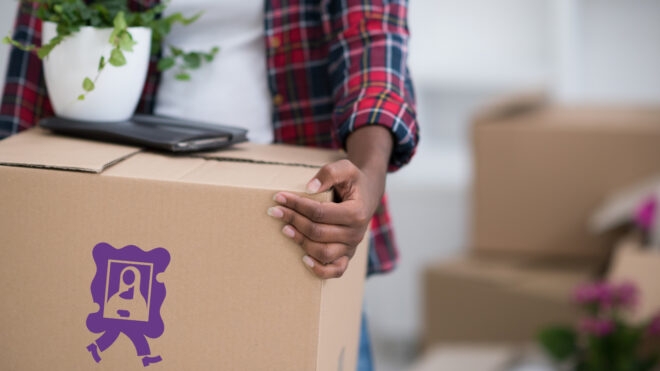
Trying to save time and supplies by overstuffing boxes might feel efficient, but it’s one of the most common mistakes during a move. Heavy, overloaded boxes can tear, collapse, or cause serious injuries. Movers often struggle to carry boxes that exceed safe weight limits, which also puts your belongings at risk. Books, for example, should always be packed in small, sturdy boxes, while lighter items like linens and clothing can go in larger ones. Even distribution of weight is key. Taking the time to pack smarter instead of heavier keeps your belongings safe, your movers happy, and your move running on schedule.
Don’t gamble with your belongings. Let our professional packing team handle the details – from box selection to safe packing – so you can move with peace of mind.
Mistake to Avoid: Overpacking Moving Boxes Until They’re Too Heavy
When it comes to moving, efficiency matters. But there’s a big difference between packing smart and packing heavy. One of the most common mistakes people make is overstuffing boxes in an attempt to save time, space, or supplies. At first glance, filling each box to the brim may seem practical. In reality, it creates problems for both your movers and your belongings.
Heavy, overloaded boxes can tear or collapse, putting items at risk of damage. They’re also difficult to carry safely, increasing the chance of injuries for anyone handling them. The solution isn’t to pack more into fewer boxes – it’s to distribute weight properly so each box is manageable and secure.
Why People Overpack Boxes
This mistake happens more often than you might think. Here’s why:
- Trying to save on supplies – Fewer boxes feels like a money-saver, but it often backfires.
- Underestimating weight – Many people don’t realize how quickly items like books or dishes add up.
- Rushing the process – Last-minute packing leads to tossing everything into one oversized box.
- Limited experience – First-time movers often don’t know the difference between efficient packing and unsafe packing.
- Thinking “bigger is better” – Large boxes may look ideal but are rarely meant for heavy items.
Unfortunately, what seems like efficiency in the moment often leads to bigger problems later.
The Problems with Overstuffed Boxes
Packing too much into a single box creates several risks:
- Box failure – Overloaded boxes can tear, split at the seams, or collapse under weight.
- Damage to belongings – When a box breaks, fragile items are often the first to suffer.
- Injuries – Movers, family, or friends carrying heavy boxes risk back strains, slips, or falls.
- Delays – Overweight boxes slow down the process, as crews must handle them with extreme caution.
- Extra costs – Some moving companies charge additional fees if boxes exceed safe handling limits.
Instead of saving time or money, overpacking leads to setbacks and expenses.
The Right Way to Pack by Weight
The key to safe and efficient packing is even distribution of weight. That means pairing the right items with the right size boxes.
Use Small Boxes for Heavy Items
- Books
- Dishes
- Tools
- Small electronics
Use Medium Boxes for Everyday Items
- Kitchen supplies
- Décor
- Office supplies
- Small appliances
Use Large Boxes for Light Items
- Linens and bedding
- Towels
- Clothing
- Pillows and cushions
This simple strategy ensures boxes are manageable, secure, and easy to stack.
Packing Smarter: Tips for Success
Here are some practical steps to avoid overstuffing:
- Know your limits – A box should generally weigh no more than 50 pounds.
- Test lift before sealing – If it’s hard to lift, repack into smaller boxes.
- Use the right materials – Reinforce heavy boxes with strong tape and double-walled cardboard.
- Fill gaps properly – Use packing paper or soft items like towels to stabilize contents without adding weight.
- Label boxes clearly – Mark heavy boxes so movers can handle them with caution.
Packing smarter ensures both safety and efficiency.
The Role of Professional Packers
While DIY packing can work, professional movers provide advantages that prevent overpacking mistakes:
- Expert box selection – Movers know exactly which box size is right for each type of item.
- Efficient packing techniques – Professionals balance weight and space for maximum safety.
- High-quality materials – Strong, sturdy boxes and eco-friendly Perfect Crates reduce risk.
- Time savings – What takes you days can be done in hours by an experienced team.
- Reduced damage risk – With expert handling, fragile belongings are protected from start to finish.
Professional packing ensures your belongings arrive safely — without the risks of overloaded boxes.
Perfect Moving & Storage: Packing Done Perfectly
At Perfect Moving & Storage, we know the details matter. That’s why our packing services are designed to eliminate common mistakes like overstuffing boxes.
Here’s how we make packing simpler and safer:
- Professional crews trained to pack efficiently and evenly.
- Eco-friendly Perfect Crates that offer sturdy, reusable alternatives to cardboard.
- Custom packing solutions for fragile and heavy items.
- Unpacking services so you can settle in faster.
- Guidance and support to keep your move perfectly organized from start to finish.
With us, your belongings aren’t just packed – they’re packed with care and precision.
Final Thoughts
Overpacking boxes until they’re too heavy is a mistake that leads to broken belongings, injuries, and wasted time. By pairing the right items with the right box sizes, distributing weight evenly, and considering professional packing services, you’ll protect your possessions and ensure a smooth move.
Don’t gamble with your belongings. Let our professional packing team handle the details — from box selection to safe packing — so you can move with peace of mind.
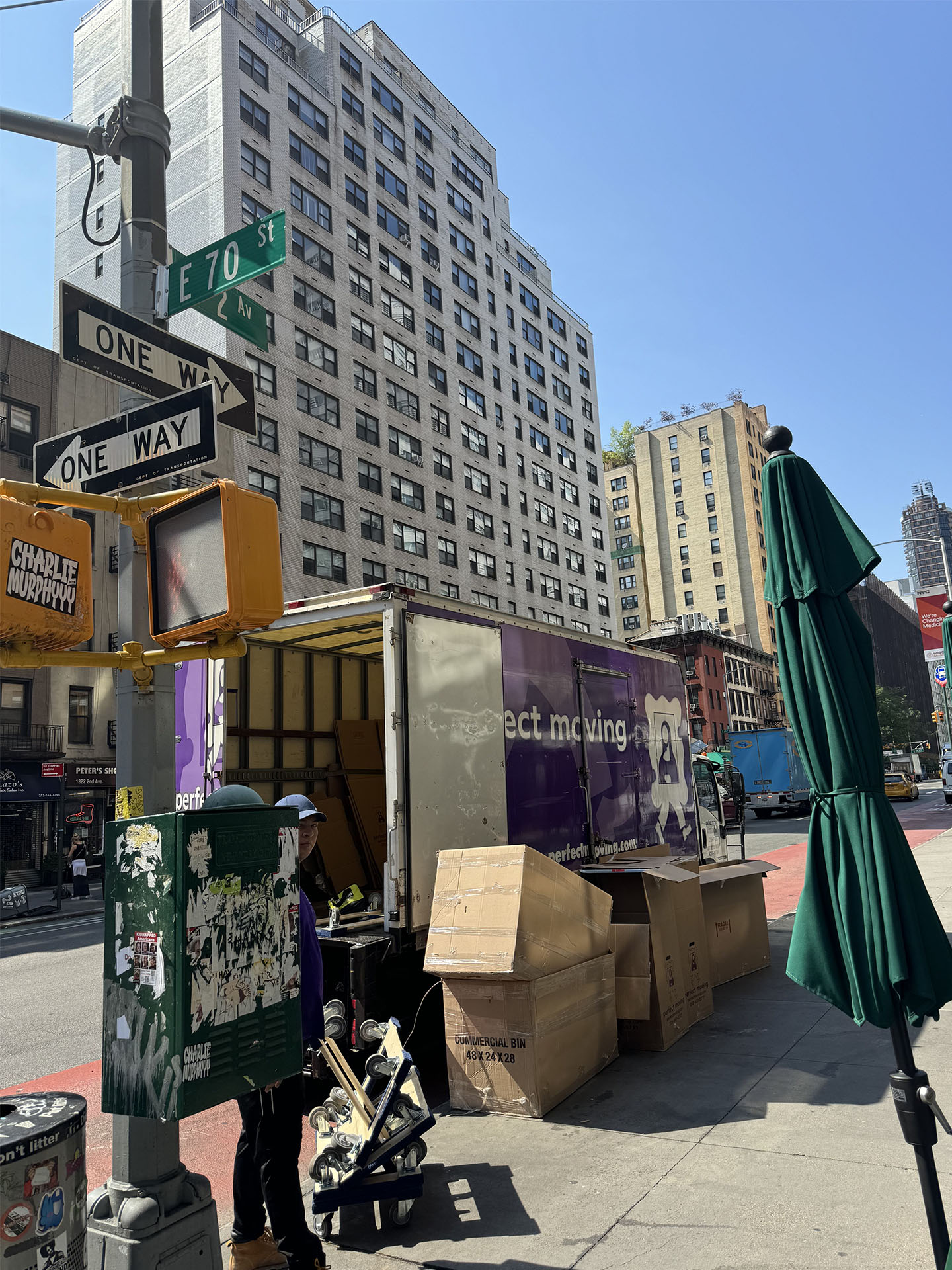
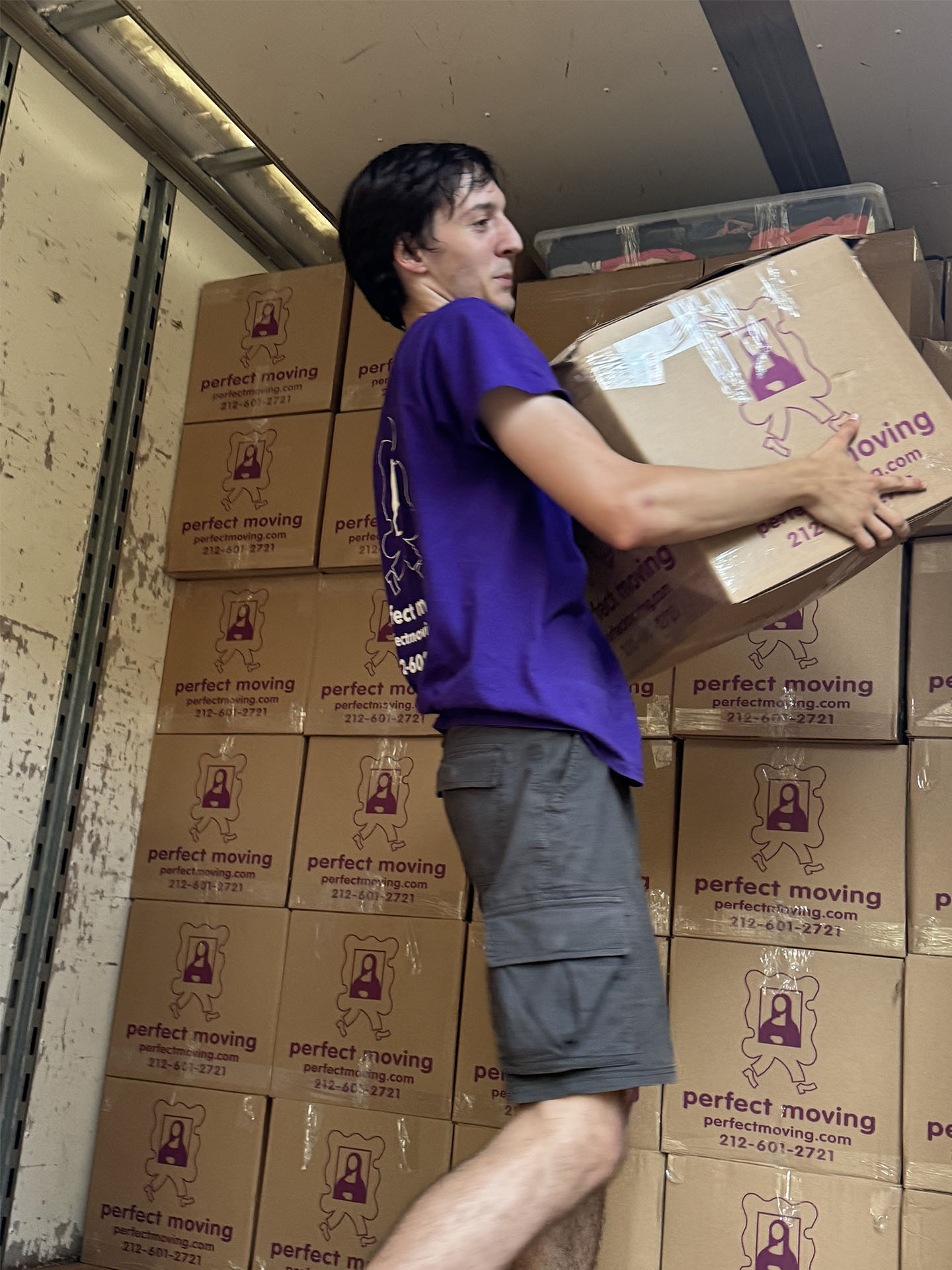
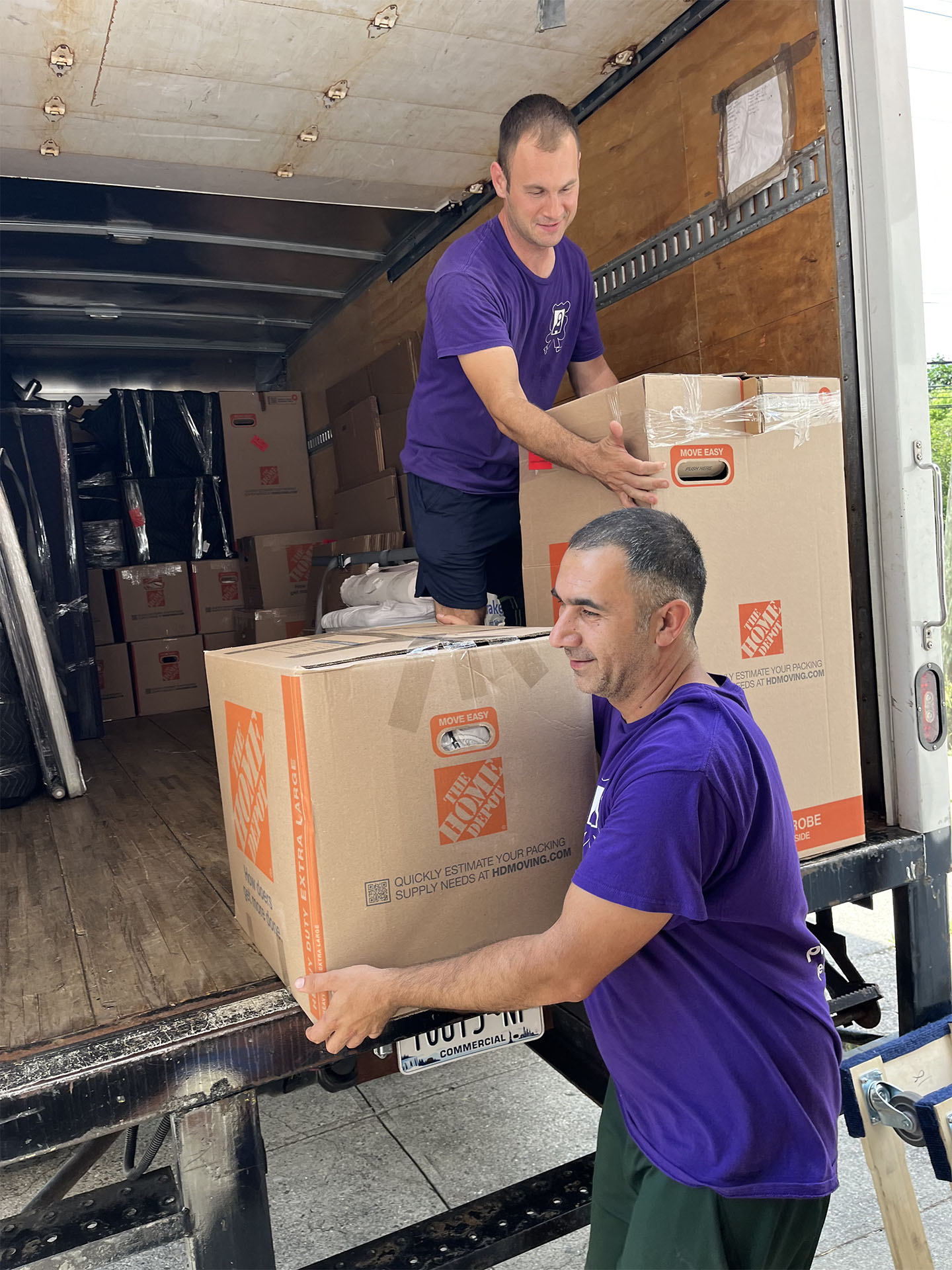
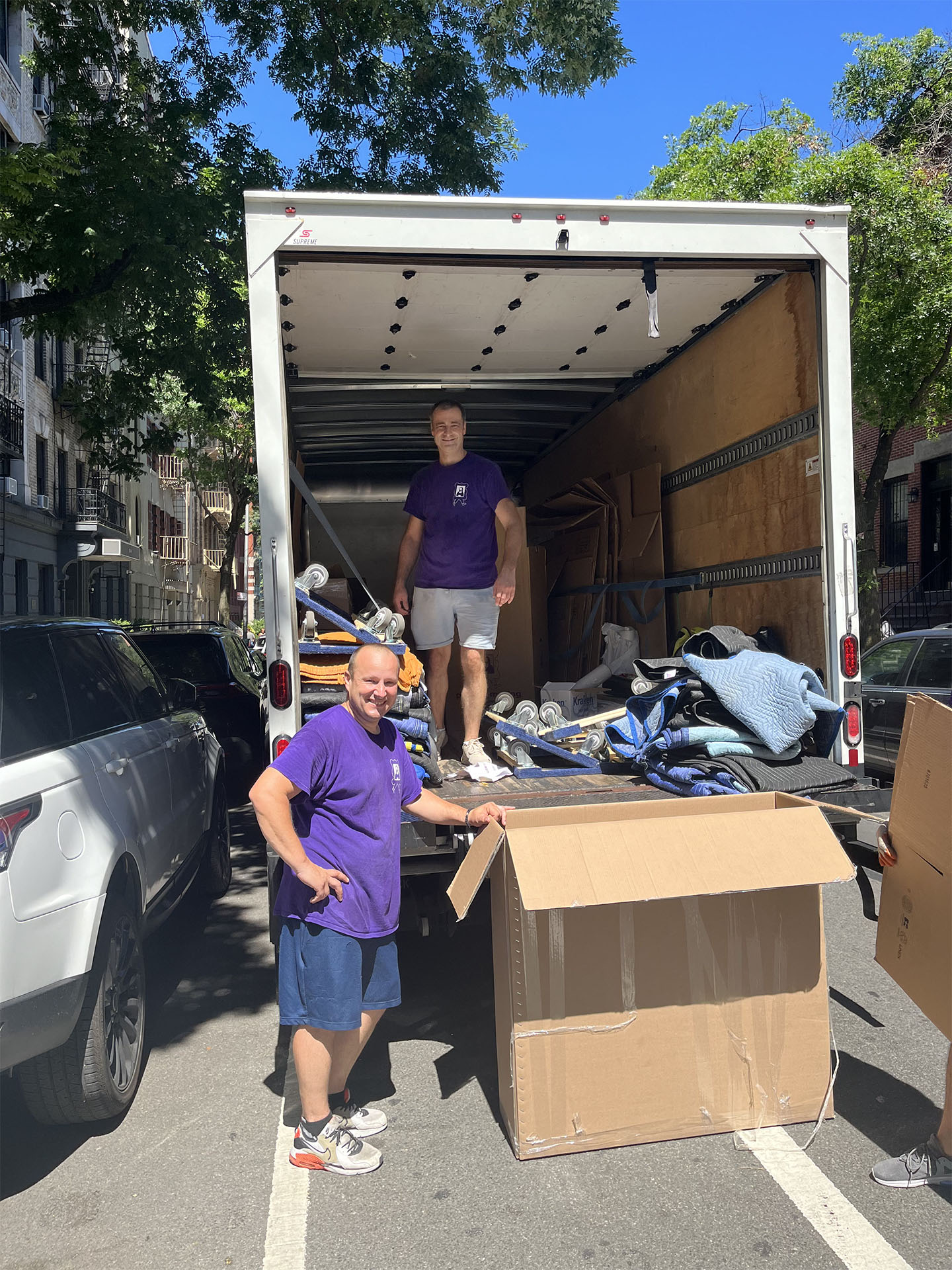
Many people overpack boxes because they think it will save time, space, or money. The logic seems simple — fewer boxes mean fewer trips and fewer supplies. Unfortunately, this short-term efficiency often creates long-term problems. Heavy boxes are prone to tearing, collapsing, or damaging the items inside, and they can make loading and unloading much more difficult for movers. It’s one of those moving shortcuts that ends up costing more in stress and potential loss.
Another reason people overpack is inexperience. First-time movers often underestimate how quickly certain items — especially books, dishes, or tools — add weight. Rushing the packing process can also lead to tossing everything into the nearest large box without thinking about distribution. What seems like “packing smarter” in the moment can easily turn into a backbreaking mistake once moving day arrives.
Overloaded boxes can fail under pressure. When a box is packed beyond its limit, the seams may split or the bottom may collapse, putting fragile items at immediate risk. Even sturdy boxes can bend or tear if overstuffed, especially when stacked in the moving truck. The result is often broken items, wasted packing time, and extra costs for replacement or repairs.
There’s also a physical risk involved. Heavy boxes are difficult and unsafe to lift, especially in NYC’s tight staircases or walk-up buildings. Overpacking increases the chances of back injuries, muscle strain, and accidents for both you and your movers. It can also slow down the moving process, as each box requires more caution to handle safely.
The best way to pack safely is to match the box size to the weight of its contents. Small boxes should be reserved for heavy items like books, dishes, or small appliances — things that quickly become unmanageable in larger containers. Medium boxes are ideal for moderately heavy items such as kitchen supplies, décor, or office materials, which can be distributed evenly.
Large boxes should only be used for lightweight belongings such as linens, clothing, pillows, or towels. This simple rule keeps boxes stable and easy to carry. Even weight distribution not only protects your items but also helps movers load and unload efficiently, keeping your move organized and on schedule.
A good rule of thumb is to keep boxes under 50 pounds. If you can’t lift a box comfortably, it’s too heavy. Always test-lift before sealing, and if it feels unmanageable, redistribute the contents into smaller boxes. Reinforce the bottoms of heavy boxes with double layers of tape to prevent splitting during transport.
You should also use the right materials to fill gaps — soft items like towels or packing paper can keep items from shifting without adding weight. Clearly label heavy boxes so movers know to use proper lifting techniques. Taking a few extra minutes to pack thoughtfully prevents damage and ensures a smoother, safer move overall.
Professional movers are trained to avoid overpacking mistakes altogether. They understand how to balance weight, use the right size boxes for specific items, and reinforce packing for stability. Movers also rely on high-quality materials, including double-walled boxes and eco-friendly crates that can handle weight more effectively than standard cardboard.
When you hire professional packers, you’re also saving yourself time and effort. A skilled team can pack an entire home in hours, using tested methods to prevent damage and distribute weight evenly. Their expertise not only keeps your belongings safe but also reduces the risk of injuries or delays during your move.
Perfect Moving & Storage takes packing safety seriously. Their teams use professional-grade materials and eco-friendly Perfect Crates that provide strength, durability, and sustainability. Each box is packed strategically — heavy items in small containers, lighter belongings in larger ones — ensuring both efficiency and protection.
Their packing services go beyond simply boxing items. They include custom solutions for delicate or heavy belongings, careful labeling, and even unpacking assistance at your destination. By letting their experts handle the packing, you eliminate the guesswork and guarantee that every box is secure, balanced, and ready for a perfectly smooth move.