Movers in Murray Hill, Gramercy and Kips Bay
Key takeaways
- Murray Hill Historic District: two groups between East 35th and East 38th Streets, says LPC.
- Gramercy Park: LPC's report says it is a private square, with a key under the original deed.
- Sniffen Court: 10 houses on a narrow, blind alley off East 36th Street, says LPC.
- Stations: the MTA lists 23 St-Baruch College, 28 St and 33 St, with entrances along Park Avenue South.
- Kips Bay: NYC Planning's Murray Hill-Kips Bay area means Kips Bay shares an area with Murray Hill.
Murray Hill, Gramercy and Kips Bay include a private square and a blind alley, so a move here starts with the exact block. Sniffen Court is 10 houses on a narrow, blind alley off East 36th Street, says the New York City Landmarks Preservation Commission (LPC). The Murray Hill Historic District, Gramercy Park and the station names the MTA lists are on record as well.
To set these blocks beside other parts of the borough, more Manhattan areas to compare lines them up on things you can check.
Sniffen Court, ten houses on a narrow, blind alley off East 36th Street
LPC designated the Sniffen Court Historic District on June 21, 1966, and describes it as 10 houses on a narrow, blind alley off East 36th Street. Murray Hill and Gramercy have records of their own, each with its own date. What a crew needs is your street, your cross street and your floor.
A blind alley, and what a crew works from
A blind alley has no way through at the far end: you go in, and you come back out the same way.
LPC describes a narrow, blind alley at Sniffen Court. At an alley like that, a crew can end up working from the cross street, with a longer carry to the door. That is a question about one street, not about an area name.
Perfect Moving treats local expertise as verified, block-level operating facts that change the work, stated with where the evidence ends, rather than as a neighborhood name on a page.
What the curb allows, the truck routes and the Midtown streets sit in a guide to a move in Manhattan. For the service itself, see how local moving in Manhattan works.
What the records name in Murray Hill, Gramercy and Kips Bay
The records for these blocks come from LPC's designation reports for the Murray Hill, Gramercy Park and Sniffen Court districts, and from the station names in the MTA's station data. The Historic Districts Council gives the date of the Gramercy Park extension. LPC also designated the Stuyvesant Square Historic District.
The record: The Murray Hill Historic District, designated January 29, 2002, has 71 row houses, 3 apartment buildings, an architectural office and a church, in two groups between East 35th and East 38th Streets, Park Avenue to Lexington Avenue, says LPC. LPC extended it on March 30, 2004, with 12 buildings in two areas that connect the two groups.
On your street: Two groups of buildings is not the same thing as a stretch of blocks, so on a Murray Hill address the cross street and the house number do more work than the district name.
The record: LPC designated the Gramercy Park Historic District on September 20, 1966, and it was extended July 12, 1988, a date the Historic Districts Council gives. LPC's report says Gramercy Park is a private square, and that under the original deed each lot holder has a key. LPC calls it the second and last of its kind created.
On your street: A square is not an address: on a Gramercy block the work starts at the building number and the floor.
The record: The Sniffen Court Historic District, designated June 21, 1966, is 10 houses on a narrow, blind alley off East 36th Street between Lexington and Third Avenues, says LPC.
On your street: An address on the court itself is worth naming when you book, together with the cross street and the entrance your building uses for moves.
The record: The MTA lists stations named 23 St-Baruch College, 28 St and 33 St, with entrances along Park Avenue South; 33 St also has entrances on Park Avenue.
On your street: Those Park Avenue South entrances are a walking landmark, not an address, so your street and your cross street are the ones that place your door.
My street ends in a blind alley, and the crew asked about it before booking.
Peter O.
Telling them which area my address was in and what the street looked like gave them what they needed to plan.
Salma I.
The crew arrived knowing about my narrow street and asked sensible questions at the door.
Julian Z.
Which of the three areas your street is in, and what to send
Each of the three names sits in a different kind of record, so take them one at a time.
- Murray Hill and Kips Bay: NYC Planning has no area called Kips Bay alone or Murray Hill alone. Its areas are Gramercy and Murray Hill-Kips Bay, so Kips Bay shares an area with Murray Hill.
- Gramercy: Gramercy is its own area in NYC Planning's file. LPC's report says Gramercy Park is a private square.
- Murray Hill's district: the LPC district is in two groups between East 35th and East 38th Streets, Park Avenue to Lexington Avenue, which is a designation and not a neighborhood line.
Then put four things in one message when you book: the street, the cross street, the floor, and the entrance your building uses for moves.
One job of ours: One customer's listing said Murray Hill, and a friend called the same block Kips Bay. Our office did not need to settle that. We asked for the street, the cross street and the floor, and planned from those.
Murray Hill, Gramercy or Kips Bay?
Your listing may say Murray Hill, Gramercy or Kips Bay; the street, the cross street and the floor tell a crew more than the name. Every move Perfect Moving takes receives a clear written quote before move day. The quote is free.
Frequently asked questions
Which blocks does the Murray Hill Historic District cover?
LPC designated the district on January 29, 2002, and its report names 71 row houses, 3 apartment buildings, an architectural office and a church, in two groups between East 35th and East 38th Streets, Park Avenue to Lexington Avenue. LPC extended it on March 30, 2004, with 12 buildings in two areas that connect the two groups.
What is Sniffen Court?
The Sniffen Court Historic District, designated June 21, 1966, is 10 houses on a narrow, blind alley off East 36th Street between Lexington and Third Avenues, says LPC.
What does LPC say about Gramercy Park?
LPC's report says Gramercy Park is a private square, and that under the original deed each lot holder has a key. LPC calls it the second and last of its kind created. The designation date in LPC's report is September 20, 1966, and the Historic Districts Council gives July 12, 1988 for the extension.
Which streets does the Stuyvesant Square district cover?
LPC designated the Stuyvesant Square Historic District on September 23, 1975. It lies on East 15th to East 18th Streets, around Second and Third Avenues.
Does the city have an official area called Kips Bay?
Not under that name on its own. NYC Planning has no area called Kips Bay alone or Murray Hill alone, and in its file Kips Bay shares the area named Murray Hill-Kips Bay with Murray Hill. If two names are in play for one block, send the street, the cross street and the house number, and let the file keep its own names.
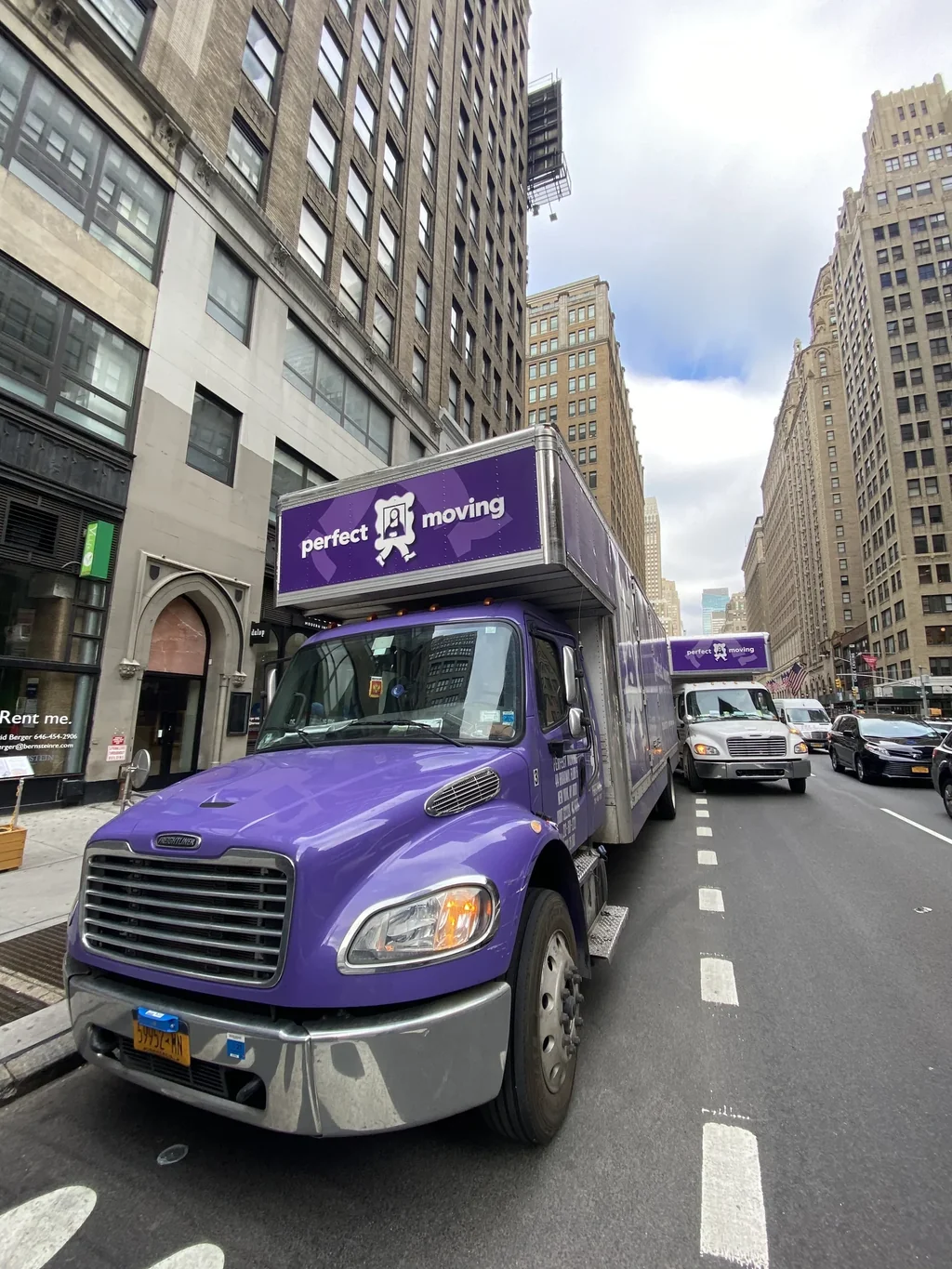
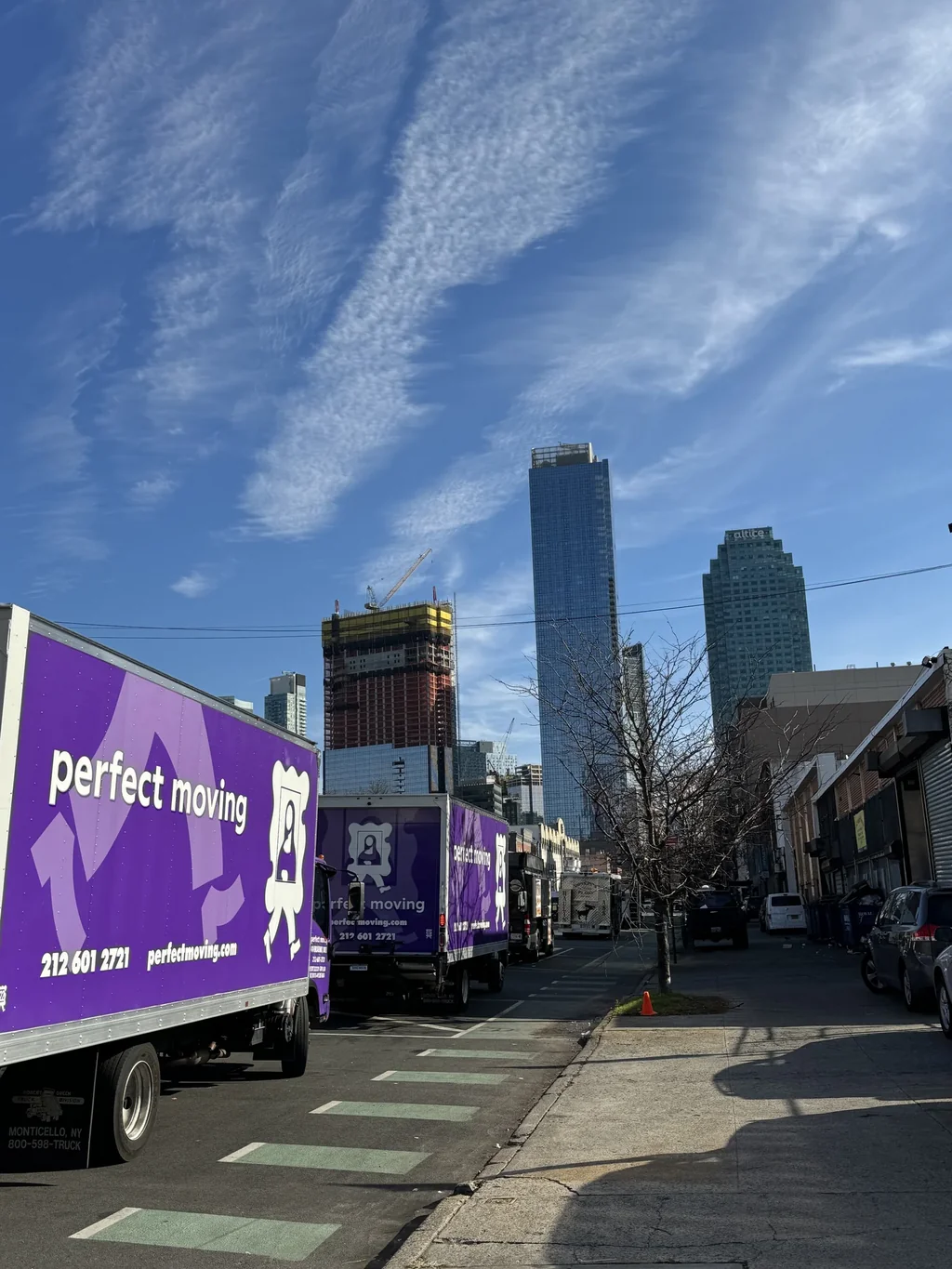
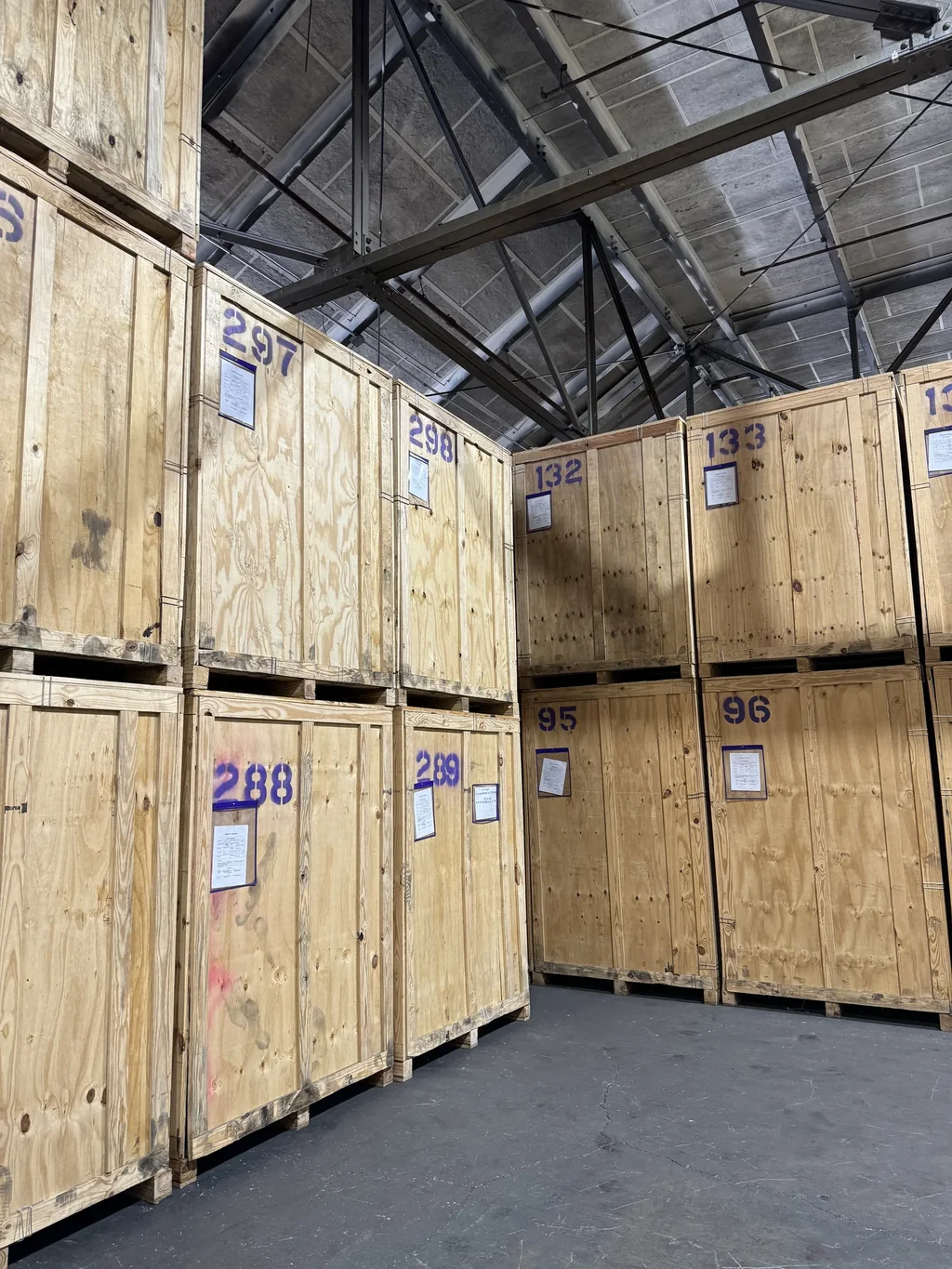
The lines about Perfect Moving and how it works, and the job example, come from the company itself.
- LPC, Murray Hill Historic District, designation report, 2002: designated January 29, 2002, read November 2, 2026.
- LPC, Murray Hill Historic District extension, designation report, 2004: the March 30, 2004 extension, read November 3, 2026.
- LPC, Gramercy Park Historic District, designation report: designated September 20, 1966, with the private square and the key under the original deed, read November 3, 2026.
- Historic Districts Council, Gramercy Park, historic district extension: the July 12, 1988 extension date, read November 3, 2026.
- LPC, Stuyvesant Square Historic District, designation report: designated September 23, 1975, read November 3, 2026.
- LPC, Sniffen Court Historic District, designation report: designated June 21, 1966, read November 3, 2026.
- MTA Subway Stations: the station names, read November 3, 2026; what this page draws from it is our own calculation.
- MTA Entrances and Exits: read November 3, 2026; what this page draws from it is our own calculation.
- NYC Planning's 2020 Neighborhood Tabulation Areas file: the area names, file version 26b, May 28, 2026, read November 3, 2026.
William Wright, Author. William Wright is a copywriter with more than seven years writing for moving and storage companies and other local service businesses. He focuses on clear, practical guides that help people plan a move and choose a service with confidence, from neighborhood logistics to relocation planning.
Eddie Torr, Editor. Eddie Torr is an AI content editor who acts as the independent check on quality and compliance, and no draft advances until it clears him. He ties each claim back to its approved source, holds the piece to the editorial standards, and returns a ranked verdict. He does not rewrite the copy and does not approve publishing; a human reviewer makes that call.
Reed Marks, Reviewer. Reed Marks is a senior editor. Over nine years he has worked in copy editing, content review, fact-checking, and editorial QA in many different fields, and his degrees are in Journalism (bachelor's) and Professional Writing (master's). He gives each piece its final human read before it publishes: he checks that the claims stand, that the cited sources actually back them, and that the writing is clean and on-brand for search.
Reviewed on this post: Reed Marks's review covers the LPC designation reports behind the district records, the Historic Districts Council's extension date, and the station names the MTA lists. It also covers the written-quote line, which states no price and no total.
- A guide to a move in Manhattan: the truck routes and the Midtown streets, the building, the timing, and a plan to follow.
- More Manhattan areas to compare: how the parts of Manhattan compare on things you can check, with a link to each area page.
- An Upper East Side move: that area's own records, with a note on what they do not say.
- The East Village and the Lower East Side: those two areas' records, and a worked address to send your mover.
- Reaching Roosevelt Island: what that island adds to a move, and what to confirm by phone.